Vitamin D and Aging: Benefits,
Dosage, and Alternatives for Longevity
Published June 29, 2026
Written by Kathleen Morrison
Medically Reviewed by Andrea Sleeth WHNP-BC, MSCP, a healthcare provider affiliated with Wisp
Key takeaways:
- Vitamin D and aging are closely linked; your skin produces less of it as you get older, making deficiency increasingly common after midlife.
- Low vitamin D levels are associated with weaker bones, reduced muscle function, low mood, and other symptoms, especially after menopause.
- A blood test is the only reliable way to know your vitamin D status; adults over 50 may benefit from checking levels annually.
- Vitamin D supplementation has been studied for its potential role in supporting healthy aging.
- Food sources, sensible sun exposure, and a personalized supplement plan can all help maintain healthy vitamin D levels.
- Longevity-focused options, including NAD+ and glutathione products, offer additional avenues worth exploring for healthy aging support.
Vitamin D and aging go hand in hand, and understanding this connection can shape how you care for your body as the years pass.
Your skin produces less vitamin D from sunlight as you get older, and many of us simply spend more time indoors. That's why vitamin D deficiency becomes increasingly common after midlife.
This matters because vitamin D helps your body absorb calcium, supports bone strength and muscle function, and plays a role in supporting overall health.
But you don’t need to relocate to a sunny beach (although if you do, no judgment). A simple blood test can tell you where you stand, and a qualified provider can help you figure out exactly what your body needs.
In this blog, we’ll break down why vitamin D becomes more important as you age, the signs you might be running low, how much you actually need, and practical ways to support levels while exploring additional support options for healthy aging.
Wisp treatment options are available only after consultation with a licensed medical professional, if medically appropriate. You should consult with your healthcare provider before starting a new supplement or treatment regimen. Individual results may vary. Must be 18 or older. For medication details and risks, see site for details.
Why vitamin D matters as we age
Your body's ability to produce and use vitamin D shifts significantly as you get older.
Also, vitamin D deficiency becomes surprisingly common in older adults with lifestyle factors such as:
- Spending more time indoors
- Having different eating patterns
- Taking medications that affect absorption.
This matters because vitamin D does more than support bones. It also plays a key role in supporting muscle health and immune balance.
Plus, for women going through menopause, bone loss accelerates due to declining estrogen, making adequate vitamin D even more relevant.
How vitamin D may impact cellular aging
Beyond bones and muscles, vitamin D may influence aging at the cellular level. Researchers have been studying how this vitamin interacts with the basic machinery of your cells:
Vitamin D's role in telomere maintenance
Telomeres are protective caps at the ends of your chromosomes, much like the plastic tips on shoelaces. Each time a cell divides, telomeres get a little shorter.
When they become too short, cells can no longer divide properly, which researchers associate with biological aging. Telomere length is considered a marker of how our cells are aging, separate from chronological aging.
Vitamin D appears to influence telomere length and may affect the activity of telomerase—the enzyme that helps maintain telomere length.
Impact on immune cell function and inflammation
Your immune system changes with age, a process scientists call immunosenescence. Vitamin D receptors exist on most immune cells, and vitamin D plays a direct role in how these cells function.
When vitamin D is low, immune cells may become less effective, while also contributing to ongoing low-grade inflammation.
Chronic, low-level inflammation is a major factor in age-related decline, sometimes called "inflammaging" because it underlies so many conditions linked to getting older.
Vitamin D can help support healthier inflammatory responses, therefore also supporting healthy aging.
Checking your vitamin D levels
The only real way to know where you stand with vitamin D is through a blood test called 25-hydroxyvitamin D.
It’s the gold standard for measuring what your body actually has stored.
Most labs say levels between 30–100 ng/mL are adequate, though some healthcare providers like to aim a bit higher, around 40+ ng/mL, for a more “optimal” range.
So, how often should you check? It depends on your situation. If you’ve never tested before, getting a baseline is a smart move, especially if any of these apply to you:
- You’re over 50
- You have darker skin
- You don’t get much sun
- You have conditions that affect nutrient absorption
If you start taking supplements, it’s common to recheck in about 8–12 weeks to see if your levels are actually improving. If everything looks steady, then once a year is usually enough.
Which symptoms might suggest low vitamin D levels in older adults?
Low vitamin D levels don't always announce themselves loudly. Some common signs to watch for include:
- Persistent fatigue that doesn't improve with rest
- Muscle weakness or difficulty with balance and coordination
- Bone pain, particularly in the lower back, hips, or legs
- Getting sick more often than usual, suggesting changes in immune function
- Mood changes, including low mood or brain fog
These symptoms overlap with many other conditions, so they're not diagnostic on their own, but if several sound familiar, it may be worth checking your vitamin D levels with an in-person provider.
Vitamin D dosage: How much do you really need?
Let’s make this easy! First off, vitamin D3 (cholecalciferol) is the form you want. It’s better at raising your levels than D2, so it’s what most vitamin D supplements use.
According to the National Institutes of Health, the basic recommendations are:
- 600 IU per day for adults up to age 70
- 800 IU per day for those 71+
But here’s the thing: those numbers are more like minimums than optimal targets for a lot of people.
Now, more isn’t always better. The general upper safe limit is 4,000 IU per day, and going far beyond that without guidance can cause issues, mainly because vitamin D can push calcium levels too high.
That’s why testing matters. It takes the guesswork out and helps you find your actual sweet spot instead of just picking a random dose.
The point is to aim for the right dose, not the highest one.
Side effects of 'too much' vitamin D
Vitamin D toxicity is uncommon, but when it does happen, it’s usually from taking too much through supplements (not from sun exposure or food).
It leads to excessive calcium buildup in the body and can become serious if left untreated.
Possible side effects of vitamin D toxicity:
- Hypercalcemia (too much calcium in the blood)
- Hypercalciuria (excess calcium in urine)
- Elevated 25(OH)D levels in the blood
- Kidney problems, including renal failure
- Heart rhythm disturbances (arrhythmias)
- In extreme cases, death
Taking calcium supplements alongside high-dose vitamin D may increase the risk of these issues.
For adults, the established upper daily limit is 4,000 IU (100 mcg).
This is not a complete list of risks and side effects, and others may occur. If symptoms worsen or you notice signs of an allergic reaction, contact a provider right away.
Food sources and lifestyle tips to support vitamin D levels
Vitamin D is kind of the “sunshine nutrient,” and food alone usually doesn’t carry the whole load. Still, every bit helps.
Solid food sources to work into your routine:
- Fatty fish (salmon, mackerel, sardines)
- Egg yolks
- Beef liver
- Cheese
- Fortified foods such as milk, some orange juices, breakfast cereals
Food helps, but for most people, it’s more like a supporting actor than the star of the show.
Sunlight = your built-in vitamin D generator
Your body actually makes vitamin D when your skin gets sunlight. Pretty efficient system.
Try around 10–30 minutes of midday sun, a few times a week.
That said, it’s not one-size-fits-all. Your skin tone, where you live, season, and age all change the equation.
So yeah, sunlight helps… but it’s about balance, not roasting yourself outdoors.
Bonus: don’t forget the bigger picture
Vitamin D doesn’t work in isolation. For example, omega-3 fatty acids (think fish oil, walnuts, flaxseeds) have their own anti-inflammatory perks and may complement what vitamin D is doing behind the scenes.
At the end of the day, the sweet spot looks different for everyone. Your ideal setup depends on things like your:
- Diet
- Lifestyle
- Lab results
- Overall health goals.
Additional support options for healthy aging and longevity
Vitamin D is one piece of the puzzle when it comes to aging and age-related health. If you're thinking more broadly about what supports healthy aging, a growing range of options may be worth exploring with a provider.
Below are some options that you can explore with your provider based on your health history and goals.
Glutathione Injections and Nasal Sprays
If you're looking for antioxidant support that gets straight to work, Glutathione Injections and Nasal Sprays offer an alternative route to oral options.
This daily antioxidant support option is designed to support mental clarity and immune health, and help protect against oxidative stress, all in one.
With applications spanning cellular detox, energy, focus, and immunity, it's a versatile option for broad antioxidant support for longevity and healthy aging.
Wisp treatment options are available only after consultation with a licensed medical professional, if medically appropriate. You should consult with your healthcare provider before starting a new supplement or treatment regimen. Individual results may vary. For medication details and risks, see site for details.
Common side effects:
Glutathione Injection-related side effects include:
- Redness
- Swelling
- Bruising
- Tenderness
- Burning
Glutathione Nasal Spray-related side effects include:
- Irritation of the nasal passages
- Burning or stinging of the nasal passages
- Epistaxis (bloody nose)
- Headache
- Fatigue
- Skin flushing
- A mild “rotten egg” or sulfur taste in the mouth
This is not a complete list of risks and side effects, and others may occur. If symptoms worsen or you notice signs of an allergic reaction, contact a provider right away.
NAD+ Injections and Nasal Sprays
NAD+ Injections and Nasal Sprays are designed to provide acute support for energy and focus as you age, with potential benefits for brain energy, vitality, and metabolic and mitochondrial function.
They're a particularly popular option for those navigating menopause-related energy shifts or looking to support overall vitality.
Common side effects: NAD+ Injection-related side effects include:
- Redness
- Swelling
- Bruising
- Tenderness
- Burning or stinging at the injection site
- Small lumps under the skin
NAD+ Nasal Spray-related side effects include:
- Irritation of the nasal passages
- Burning or stinging of the nasal passages
- Epistaxis (bloody nose)
- Nausea
- Headache
- Anxiety or restlessness
This is not a complete list of risks and side effects, and others may occur. If symptoms worsen or you notice signs of an allergic reaction, contact a provider right away.
Low-Dose Naltrexone Capsules
A daily oral capsule of low-dose naltrexone is used *off-label to help support physiological balance and immunity. It's commonly explored in the context of hormonal health and inflammation.
Common side effects:
- Sleep disturbances or vivid dreams
- Headache
- Nausea
- Fatigue
- Anxiety or irritability
- Depression
- Gastrointestinal discomfort
- Dizziness
- Hot flashes
- Appetite changes
This is not a complete list of risks and side effects, and others may occur. If symptoms worsen or you notice signs of an allergic reaction, contact a provider right away.
*This specific use of this prescription medication is not approved by the U.S. Food and Drug Administration (FDA). Such use, known as “off-label” use, may be prescribed by a licensed healthcare provider based on their clinical judgment. The safety and effectiveness of medications for off-label uses may not be established by the FDA. This information is for educational purposes only and is not medical advice. Always consult your healthcare provider regarding treatment decisions.
Tru Niagen 300 mg
Tru Niagen is a patented NAD+ supplement that may help promote cellular energy production and support overall wellness. It's a convenient daily option for those looking to give their NAD+ levels a boost (and support healthy aging) without a prescription.
These statements have not been evaluated by the Food and Drug Administration. This product is not intended to diagnose, treat, cure, or prevent any disease. Individual results may vary. Consult your healthcare provider before starting any new supplement or health regimen, especially if you have a medical condition or are taking medications.
Wisp is not affiliated and does not sponsor or endorse any company names, logos, or brands shown or mentioned. All product names, logos, brands, and other trademarks or images shown or mentioned are the property of the respective brand owners and are only used to identify the products and services of their respective owners.
Taking charge of your longevity
Vitamin D's relationship with the aging process touches everything from bone health to cellular health. As your body's ability to produce and use this vitamin changes with age, staying aware of your levels matters more than ever.
Testing gives you real data to work with, and a provider can help translate that into a personalized plan that accounts for your medications, health conditions, and goals.
And if you're curious about the broader landscape of longevity support, from omega-3 supplementation to newer approaches like NAD+ and glutathione, there are options worth exploring.
Ready for personalized guidance on healthy aging? Explore longevity and healthy aging options and connect with a provider at Wisp. It’s discreet, convenient, and all about helping you feel your best.
This blog post is for informational and educational purposes only and should not be taken as professional advice. Always consult with a qualified professional before making any decisions based on the information provided here.
Trusted Treatments
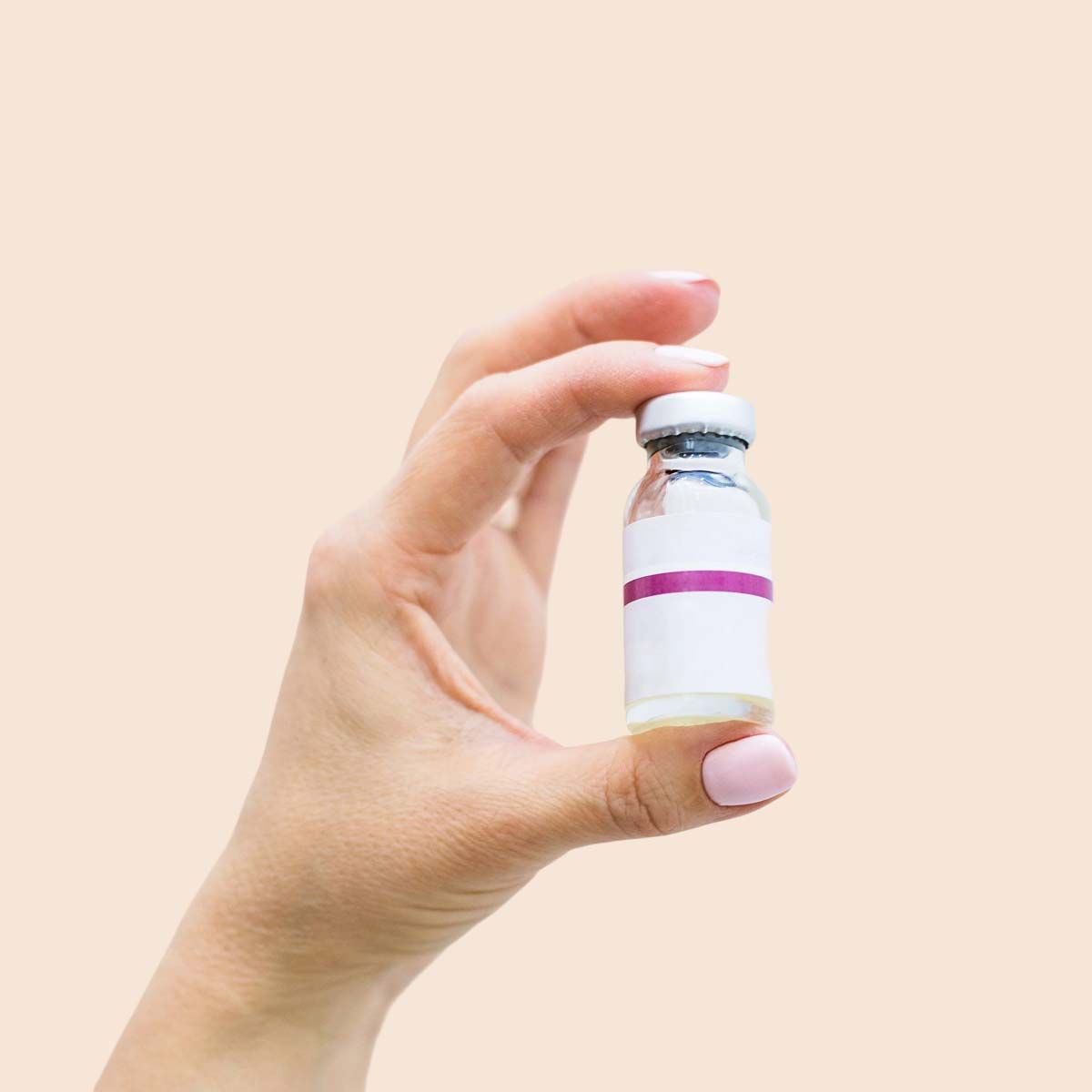
NAD+ Injections
Consult: $25
Acute support for improved energy & focus as you age.
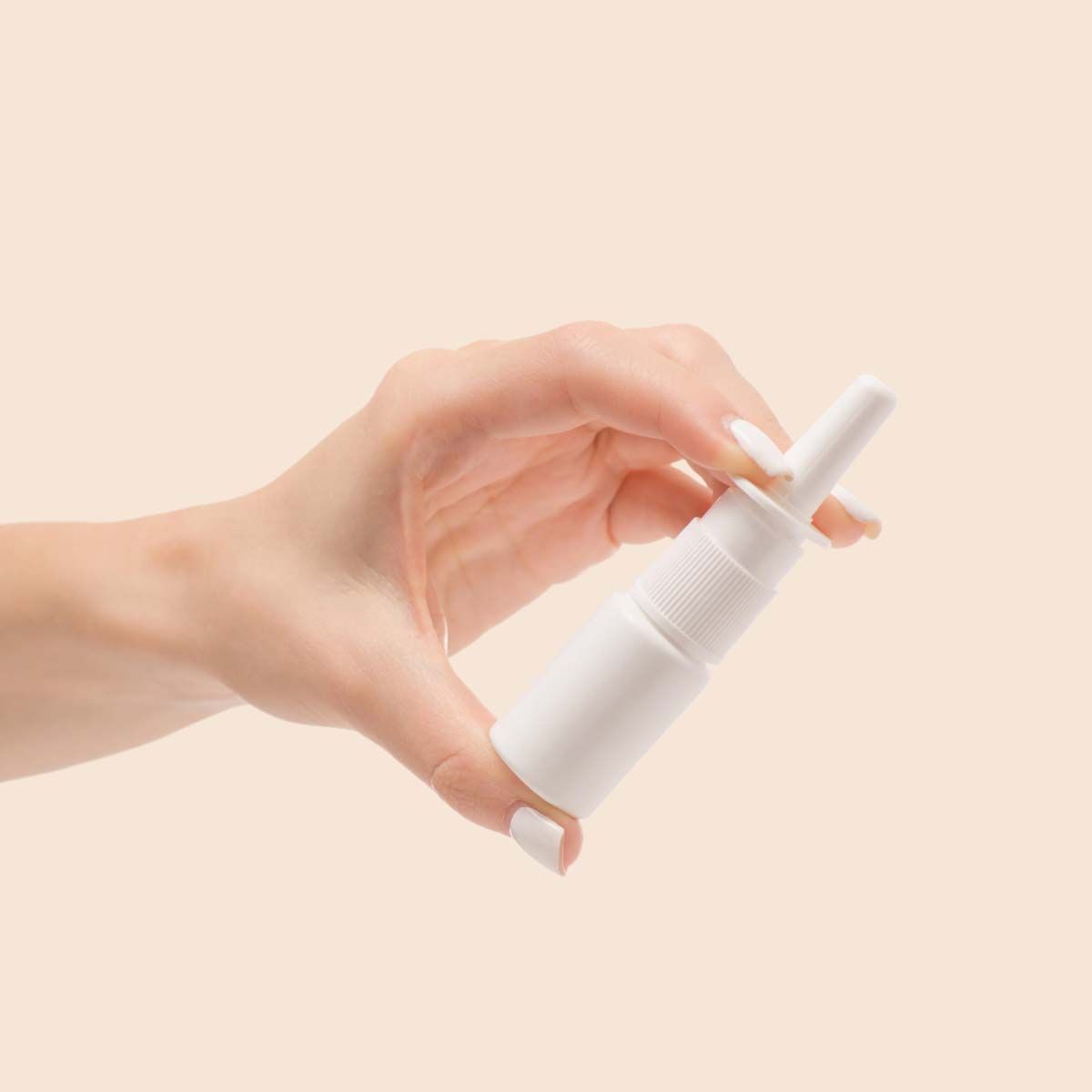
NAD+ Nasal Spray
Starting at $150
Daily nasal spray to help support vitality and healthy aging.

Glutathione Injection
Starting at $125/ month
The most direct antioxidant support for cellular defense and detox.
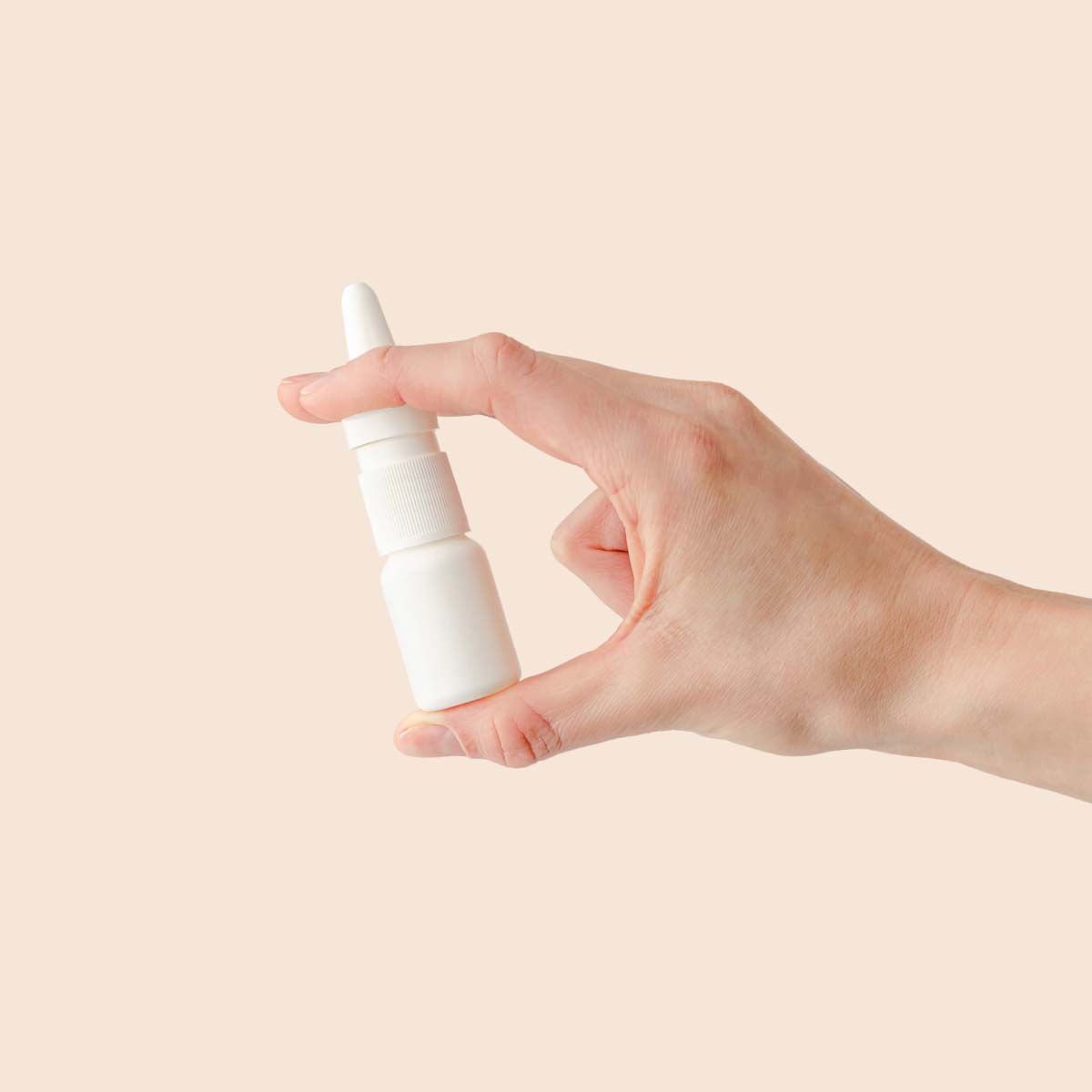
Glutathione Nasal Spray
Starting at $130
Daily antioxidant nasal spray to support mental clarity, help protect against oxidative stress, reinforce immune health, and more.
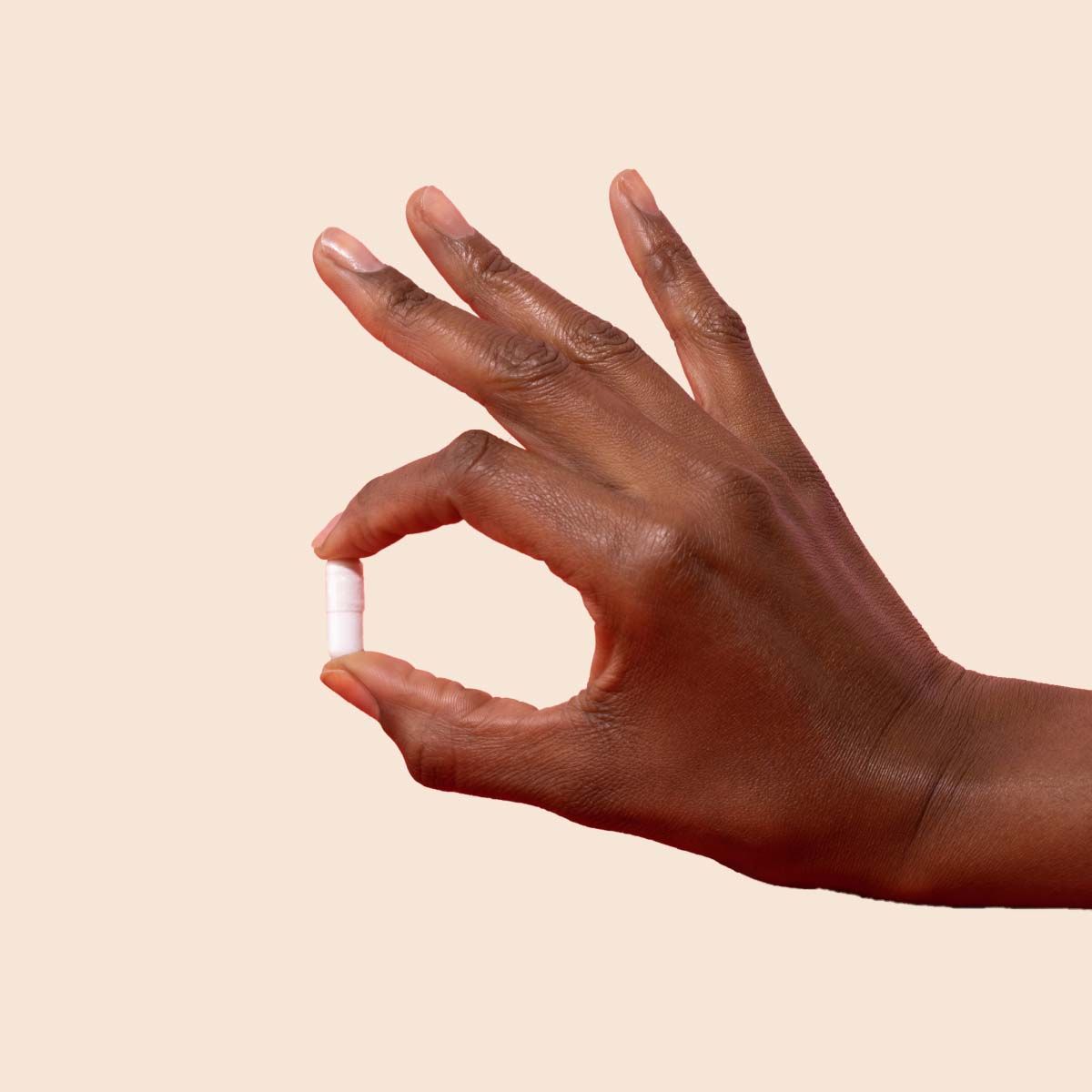
Low-Dose Naltrexone Capsules
Starting at $75
Daily oral capsule to help support physiological balance and immunity.