Written by Kathleen Morrison
Medically Reviewed by Andrea Sleeth WHNP-BC, MSCP
Key takeaways
- Yeast infections aren’t STDs—they’re caused by a fungal overgrowth and can happen even if you’re not sexually active
- Symptoms can overlap. Itching, burning, and discharge show up in both yeast infections and a few types of STDs, but the causes and treatments are completely different
- Discharge offers clues! Yeast infections are thick, white, and usually odorless, while STDs like chlamydia are often more likely to be watery, colored, or faintly smelly
- Testing saves time and stress. When you’re unsure, getting tested helps you skip the guesswork and get the right treatment faster
When the itch, burning, or unusual discharge shows up, it’s easy to start wondering if it’s an STD.
Let’s clear things up: yeast infections aren’t sexually transmitted—they’re caused by Candida, a fungus that normally lives in your body. You don’t need to be sexually active to get one, and a yeast infection can’t turn into an STD.
The tricky part is that some symptoms can overlap with sexually transmitted infections. Conditions like trichomoniasis or herpes can mimic that dreadful itch and weird discharge, which is why testing is your best friend. Quick, accessible at-home testing can help you get answers without the guesswork.
A quick breakdown of Yeast Infections vs. STDs
Here’s a quick breakdown of how yeast infections differ from sexually transmitted infections, including symptoms, treatment, and potential risks.
Where it shows up:
- Yeast infections: The vaginal and vulvar area, usually affecting external tissues.
- STDs (general): The genital area (penis, vulva, vagina, or cervix), and sometimes the rectum or throat, depending on the infection.
How it usually feels:
- Yeast infections: Intense itching, irritation, and soreness around your vulva. Burning may happen when you pee or have sex.
- STDs: Symptoms vary by infection and can include burning when you pee, unusual discharge, sores, itching, or pain during sex.
Early signs to watch for:
- Yeast infections: Mild itching, slight swelling, or abnormal discharge.
- STDs: Unusual discharge, sores or bumps, itching, pain during sex, or flu-like symptoms in some cases.
What it looks like:
- Yeast infections: Thick, white, cottage cheese–like discharge that’s usually odorless or lightly yeasty.
- STDs: Discharge may be clear, white, yellow, green, or bloody; sores or warts may appear; sometimes there are no visible signs at all.
How it’s treated:
- Yeast infections: Antifungal meds like creams, suppositories, or oral tablets, usually used for a few days.
- STDs: Treatment depends on the infection and may include antibiotics for bacterial STDs, antiviral medications for viral STDs, or antifungal meds for yeast-related infections.
How serious it can get:
- Yeast infections: Usually mild to moderate, though they can flare up repeatedly if you have underlying triggers.
- STDs: Can range from mild to serious and some may cause long-term complications like chronic pain, fertility issues, or a higher risk of other infections if left untreated.
What is a Vaginal Yeast Infection?
A vaginal yeast infection happens when the natural balance of yeast and bacteria in your vagina tips in favor of Candida, a fungus that normally lives in your body without causing any fuss.
When it multiplies too much, it can cause itching, irritation, and that classic thick, white discharge. And yeast infections don't just come from sex—you can get one from taking antibiotics, random hormonal changes, pregnancy, uncontrolled diabetes, or even staying in your wet swimsuit for too long (oops).
Your vagina naturally has a mix of yeast and bacteria. Good bacteria, like Lactobacillus, keep yeast in check. When that balance is disrupted, Candida can overgrow and irritate your vaginal tissue, making you feel super uncomfy.
Common symptoms of a Yeast Infection
Yeast infections usually make themselves pretty obvious (drama queens). Watch for:
- Thick, white vaginal discharge that looks like cottage cheese
- Intense vaginal itching and irritation
- Redness, swelling, or soreness around the vulva
- External burning during urination or sex
- Small cuts or cracks in the skin from scratching
Mild infections might just feel annoying, but more severe cases can make the area feel super tender. Plus, hormone fluctuations right before your period can make symptoms worse and cause recurrent infections for some.
What causes Yeast Infections?
A lot of things can throw your vaginal environment out of balance:
- Antibiotics: accidentally kill good bacteria along with the bad
- Hormonal changes: pregnancy, menstruation, or birth control can feed yeast growth
- Lifestyle factors: tight or non-breathable clothes, high-sugar diet, stress, lack of sleep
- Medical conditions: diabetes can give yeast extra fuel
- Other habits: douching disrupts your natural pH and bacteria
Knowing the triggers can help you manage your risk and feel more in control of your vaginal health.
What is a Sexually Transmitted Disease (STD)?
An STD happens when bacteria, viruses, or parasites sneak in during sex. It doesn’t mean you did anything “wrong”—STDs can happen to anyone who’s sexually active.
They spread through vaginal, anal, or oral sex, and sometimes the tricky part is that you might not even notice symptoms. Some common STDs involve things like chlamydia, gonorrhea, herpes, HIV, syphilis, and trichomoniasis.
Even if you feel totally fine, you could still have an STD and pass it on. That’s why knowing your status and getting tested is so empowering—it’s all about taking care of yourself and your partners.
Common symptoms of STDs
Some STDs show up loud and clear, while others are sneakier. Watch for:
- Unusual discharge from your vagina, penis, or anus
- Itching, irritation, or burning down there
- Pain or burning when you pee
- Sores, bumps, or rashes on your genitals or mouth
- Bleeding between periods or after sex
But every STD is a little different symptom-wise, and everyone’s body reacts differently. Some people don’t even get any noticeable symptoms! That’s why testing regularly is your best friend if you’re sexually active.
What causes STDs
STDs are caused by bacteria, viruses, or parasites that move from one person to another during sex. Some examples:
- Bacteria: chlamydia, gonorrhea, syphilis
- Viruses: herpes, HIV, HPV
- Parasites: trichomoniasis
Things like multiple partners or not using barrier methods can increase your chances, but really, anyone can get an STD.
Common STDs with similar symptoms
Sometimes yeast infections and some STDs can look and feel surprisingly alike. These infections are super common, and a lot of people mistake them for something less serious, so being aware of the differences helps you take charge of your sexual health.
Many STIs don’t show obvious symptoms at first, which means they can hang out quietly and spread without you even knowing.
Chlamydia
Chlamydia is known as the “silent infection” because most people don’t notice anything at first. When symptoms do appear—usually a week or two after exposure—they can mimic a mild yeast infection.
- Discharge that’s watery and white, yellow, or gray, sometimes with a faint odor
- Burning or stinging when you pee
- Spotting between periods or after sex
- Lower belly or pelvic pain
- Pain during sex
- Sore throat or rectal symptoms if exposed there
Without prescription treatment, chlamydia can travel further into your reproductive tract, so getting tested and treated early is key.
Wisp treatment options are available only after consultation with a licensed medical professional. You should consult with your healthcare provider before starting a new supplement or treatment regimen. Individual results may vary.
Gonorrhea
Gonorrhea can show up more dramatically than chlamydia, though some people don’t notice it at all. Symptoms usually appear within two weeks and can include:
- Thick, yellow or green discharge that’s more than you’d see with a yeast infection
- Stronger burning during urination
- Bleeding between periods
- Pelvic pain, sometimes radiating to the lower back
- Sore throat or rectal symptoms if exposed there
Prompt treatment for gonorrhea is essential because left untreated it can lead to serious complications.
Trichomoniasis
Trichomoniasis is caused by a parasite, and its symptoms often overlap with yeast infections—but a few details give it away. Signs can appear within a few days to a few weeks after exposure:
- Frothy, bubbly discharge that’s yellow-green or gray with a strong odor
- Intense itching and irritation
- Painful urination or sex, slightly different from yeast discomfort
- Redness, swelling, or small sores on the vulva
- Lower abdominal discomfort and frequent urges to pee
It’s important to remember that trichomoniasis can increase the risk of other STIs and complications in pregnancy, so testing and proper treatment matter.
When to reach out to a healthcare provider
Wondering whether your symptoms are just a yeast thing or something that needs a closer look?
First-time symptoms always deserve a professional diagnosis—you can’t reliably self-diagnose until you know your body well. Reach out if your symptoms stick around after over-the-counter treatment, get worse despite medication, or keep coming back. Frequent infections—four or more a year—could signal an underlying issue that needs attention.
Some signs mean it’s time to get evaluated right away: fever, severe pelvic pain, heavy or unusual bleeding, painful sores or warts, foul-smelling discharge, pregnancy, or if a partner has symptoms too. These aren’t meant to scare you—they just help you know when to get care.
Gynecological exams check vaginal health with visual inspection, pH testing, and microscopic analysis, while STI tests use urine, vaginal swabs, or blood, depending on what’s suspected.
At-home testing makes it even easier, with comprehensive STI panels and vaginal health screens that deliver results in a few days and connect you with healthcare providers for guidance and prescriptions—so you can get answers and treatment without stepping into a clinic.
How to treat Yeast Infections and STDs
Getting the right treatment starts with knowing what’s actually going on. Yeast infections and STDs need completely different medications, so guessing can just drag out symptoms and frustration. The good news? Once you know what you’re dealing with, most vaginal infections can clear up quickly with the right approach.
Plus, being (chronically) online has made all of this so easy. You can chat with a licensed provider online, get medication prescribed the same day, and pick it up at a local pharmacy*. This is especially handy if you get recurring infections and already know your symptoms—you can get refills without sitting in an in-person waiting room.
*Most prescriptions are sent to your pharmacy within 3 hours of completing your medical intake form and phone call or video chat when necessary. Pending retail pharmacy hours.
How to treat a Yeast Infection
Yeast infections can be treated with over-the-counter antifungals like miconazole or clotrimazole, available as creams or suppositories in one, three, or seven-day courses. These options can help stop yeast growth and help ease irritation. Shorter courses are convenient, but longer ones may work better for stubborn infections.
Prescription yeast infection treatment is generally the way to go if you want to be certain. Oral fluconazole (Diflucan) is a single-dose option that skips the vaginal applications, and terconazole is another choice for tricky or recurring infections.
Some side effects of fluconazole may occur that usually do not need medical attention. These side effects may go away during treatment as your body adjusts to the medicine.
Check with your health care professional if any of the following side effects continue or are bothersome or if you have any questions about them:
- belching
- change in taste or bad, unusual, or unpleasant (after) taste
- heartburn
- indigestion
- stomach discomfort or upset
Boric acid can help restore vaginal pH and create an environment where good bacteria can thrive, so using an at-home BV/yeast kit can help you figure out precisely what you’re dealing with and get the exact right treatment to kick it to the curb.
Side effects of boric acid that you should report to your care team as soon as possible:
- Allergic reactions—skin rash, itching, hives, swelling of the face, lips, tongue, or throat
- Unusual vaginal discharge, itching, or odor
- Side effects that usually do not require medical attention (report to your care team if they continue or are bothersome): Vaginal irritation at the application site
How to treat an STD
STDs need targeted antibiotic treatment based on the specific infection.
- Chlamydia usually clears with a seven-day course of doxycycline or a single dose of azithromycin.
- Gonorrhea requires a ceftriaxone injection or oral antibiotics* (with the exception of pharyngeal gonorrhea).
- Trichomoniasis often resolves with a seven-day treatment of metronidazole.
*Disclaimer: Wisp can currently treat rectal and genital gonorrhea.
Treating your partners is just as important as treating yourself. Both people should get treatment at the same time, even if only one has symptoms, and it’s best to avoid sex during treatment, for seven days after, and until your symptoms have fully left the building.
*Wisp can currently treat rectal and genital gonorrhea.
Don't freak out, just get the facts
When you know what's going on with your body, you can nail it as quickly as possible.
Sure, some symptoms can feel the same—itching, unusual discharge, all the annoying stuff—but the causes and treatments are completely different. Yeast infections come from fungal overgrowth and usually clear up with antifungals, while STDs need targeted antibiotics or antivirals from a licensed healthcare provider.
Remember: these infections are super common and nothing to be embarrassed about. Paying attention to your body, getting tested when something feels off, and following your treatment plan means you can handle anything your vaginal health throws your way. With the right info and support from services like Wisp, you’ve got this. Knowledge is power, and taking care of yourself doesn’t have to be complicated.
This blog post is for informational and educational purposes only and should not be taken as professional advice. Always consult with a qualified professional before making any decisions based on the information provided here.
Trusted Treatments

Diflucan, Generic Fluconazole (Yeast Antifungals)
Starting at $45
Prescription antifungals used to treat vaginal yeast infections

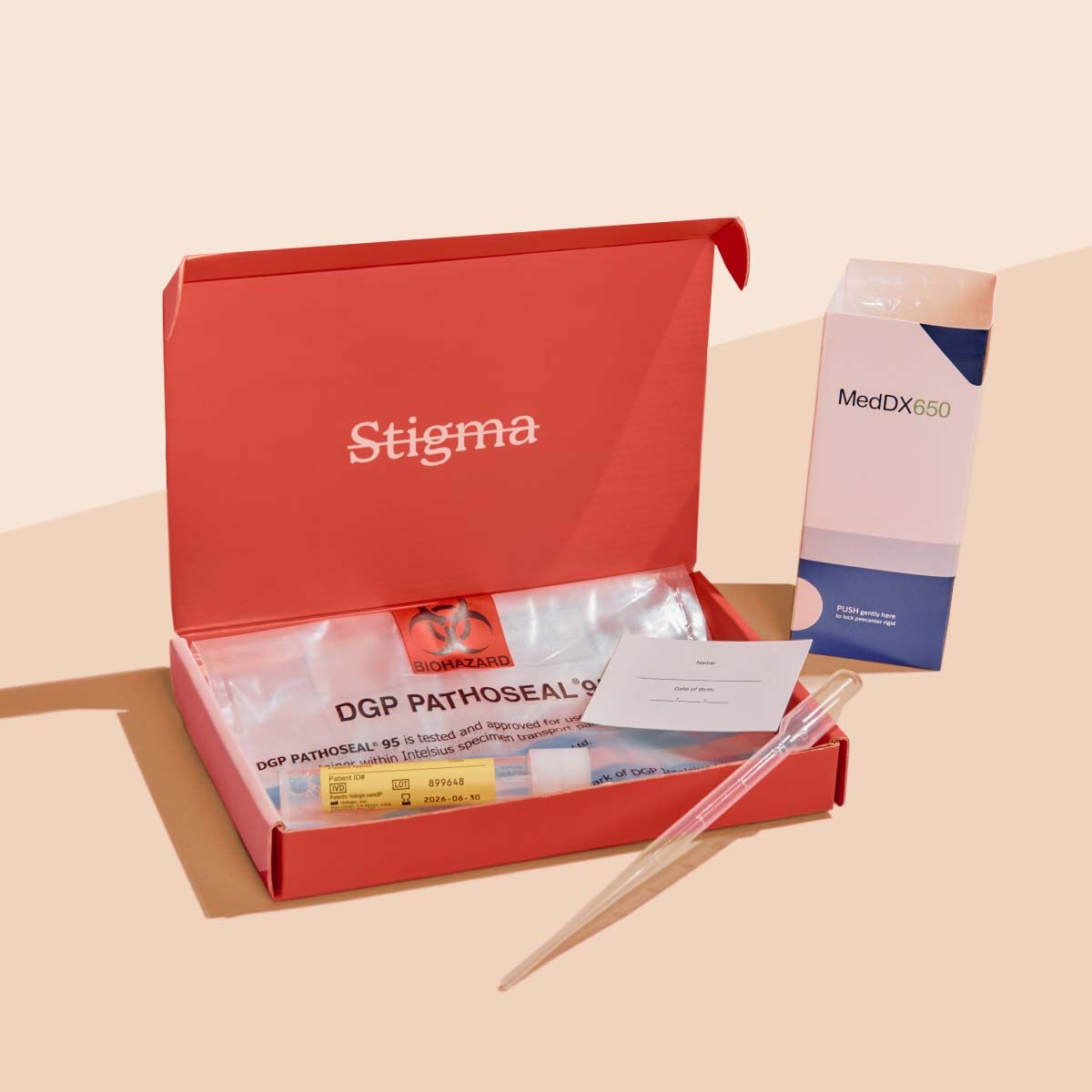
3-Panel Essential STI Test
$99
Take charge of your sexual health from home with this at-home, urine test kit. Consult and treatment included if necessary.