How Long Does It Take for
Acyclovir to Work?
Published on September 21, 2021
Updated on November 4, 2026
Written by Kathleen Morrison
Medically Reviewed by Andrea Sleeth WHNP-BC, MSCP, a healthcare provider affiliated with Wisp
Key takeaways:
- Acyclovir is an antiviral medication used to treat herpes, and symptoms like pain, itching, and burning may take up to three days to start easing.
- Clinical guidelines recommend starting antiviral treatment at the first sign of symptoms, like tingling or burning.
- For a first genital herpes outbreak, clinical guidelines generally recommend a 7- to 10-day course of Acyclovir tablets.
- Acyclovir can help manage outbreak symptoms, but it doesn't cure herpes.
- If your symptoms don't improve or get worse, a provider can help review your plan, if medically appropriate.
When an outbreak shows up, you want it gone yesterday. The good news? Prescription antivirals like Acyclovir from a provider, if medically appropriate, can help treat the outbreak.
So, how long does it take for Acyclovir to work? Symptoms like pain, itching, and burning may take up to three days to start easing, and timing can vary by form (cream or tablets) and by whether it's your first outbreak or a repeat one.
Below, we break down how Acyclovir works, what the timeline may look like, how to tell if it's doing its thing, and what to do if it isn't.
Wisp treatment options are available only after consultation with a licensed medical professional, if medically appropriate. You should consult with your healthcare provider before starting a new supplement or treatment regimen. Individual results may vary. Must be 18 or older. For medication details and risks, see site for details.
What is Acyclovir and how does it work?
Acyclovir is a prescription antiviral medication that comes in several forms, including a cream and tablets. Depending on the form, it's used to treat infections caused by the herpes simplex virus (HSV-1 and HSV-2), including cold sores (oral herpes) and genital herpes. (You might also see it spelled aciclovir outside the US.)
It works by blocking viral DNA replication, which may help slow the spread of the herpes virus in your body.
While it is not a cure for herpes (there is no cure), Acyclovir cream and tablets can help manage outbreak symptoms like pain, itching, and burning.
So, does Acyclovir work? Yes, it can help manage outbreak symptoms, but it doesn't cure herpes. Think of it as backup during a flare, not an eviction notice.
When does Acyclovir start to work?
Symptoms may start to ease within two to three days of starting Acyclovir, but everyone's timeline can look a little different.
While you will be using your Acyclovir cream or tablets for a number of days, you may notice changes before you finish your course. The first thing you may notice is an easing of that annoying burning, itching, and uncomfortable feeling an outbreak can cause. After that, sores may start to crust over and heal.
Clinical guidelines recommend starting prescription antiviral treatment at the first sign of symptoms, like tingling or burning, so it's worth starting as soon as you notice signs of an outbreak.
How long does it take Acyclovir cream or ointment to work?
When it comes to Acyclovir cream or ointment, timing can vary from person to person, so there isn't one set day count.
A *10% Acyclovir Cream is applied to the sores at the earliest signs of an outbreak, like tingling or redness, and should be used for as long as your provider prescribes, even if things start looking better sooner.
Just remember it's for external use only, so it stays on your skin and out of your eyes, nose, and mouth.
*This specific use of this prescription medication is not approved by the U.S. Food and Drug Administration (FDA). Such use, known as “off-label” use, may be prescribed by a licensed healthcare provider based on their clinical judgment. The safety and effectiveness of medications for off-label uses may not be established by the FDA. This information is for educational purposes only and is not medical advice. Always consult your healthcare provider regarding treatment decisions.
Common side effects of 10% Acyclovir Cream may include:
- Mild pain
- Burning
- Stinging
Rare and serious side effects may include:
- Hives
- Difficult breathing
- Swelling of your face, lips, tongue, or throat.
- Compounded products are not FDA-approved and are created based on prescriptions from licensed healthcare providers in compliance with applicable regulations and quality standards.
This is not a complete list of risks and side effects, and others may occur. If symptoms worsen or you notice signs of an allergic reaction, contact a provider right away.
You are encouraged to report negative side effects of prescription drugs to the FDA. Visit www.fda.gov/medwatch or call 1-800-FDA-1088.
How long do Acyclovir tablets take to work?
After you take Acyclovir tablets, the medicine may reach peak levels in your blood within about two hours of a dose. That doesn't mean you'll feel better in two hours, though. Symptoms may take up to three days to start easing.
Oral Acyclovir is FDA-approved to treat first outbreaks and manage recurrent episodes of genital herpes. It doesn't cure genital herpes, but it can help manage outbreaks.
Depending on your plan, Acyclovir may be taken several times a day. Take it for the full course as prescribed, even if your symptoms improve.
For cold sores, *oral Acyclovir may be prescribed at a provider's discretion.
*This specific use of this prescription medication is not approved by the U.S. Food and Drug Administration (FDA). Such use, known as “off-label” use, may be prescribed by a licensed healthcare provider based on their clinical judgment. The safety and effectiveness of medications for off-label uses may not be established by the FDA. This information is for educational purposes only and is not medical advice. Always consult your healthcare provider regarding treatment decisions.
Common side effects of Acyclovir Tablets may include:
- Nausea or vomiting
- Diarrhea
- Headache
- Dizziness
- Stomach pain
This is not a complete list of risks and side effects, and others may occur. If symptoms worsen or you notice signs of an allergic reaction, contact a provider right away.
You are encouraged to report negative side effects of prescription drugs to the FDA. Visit www.fda.gov/medwatch or call 1-800-FDA-1088.
How long does Acyclovir take to work for a first outbreak?
We know a first outbreak can be annoying. Unfortunately, this is one guest that doesn't check its watch before overstaying its welcome.
There's no stopwatch for how long it takes, but timing still matters. Clinical guidelines recommend starting prescription antiviral treatment at the first sign of symptoms, like tingling or burning, so try not to wait it out.
Your treatment plan can depend on things like your symptoms, your health history, and how your body responds, so these timelines aren't set in stone.
For a first genital herpes outbreak, clinical guidelines generally recommend a 7- to 10-day course of Acyclovir tablets. A provider may extend treatment if your sores haven't healed by the end of that course.
Symptoms may still start to ease within the first few days, so hang in there.
If this is your first outbreak, a provider can help you figure out the right course of treatment for your situation.
What can affect how long Acyclovir takes to work?
Everyone's timeline looks a little different. A few things can affect how long it takes before you notice a difference:
- When you start: How soon you start Acyclovir treatment after symptoms begin can affect your timeline, which is why guidelines recommend starting at the first sign.
- The form you use: Whether you use cream or tablets can affect what your timeline may look like.
- First vs. repeat outbreak: Whether it's a first outbreak or a recurrent one can affect how long symptoms stick around.
- Sticking to your schedule: Missing doses can affect how well the medication works, so try to take each dose on time.
- Your overall immune health: Your immune health can affect how your body handles an outbreak.
Does the dose change how long Acyclovir takes to work?
Your dose isn't a speed dial. Your Acyclovir dosage and schedule depend on the condition being treated, and a provider sets them.
A provider may also adjust your dose if you have kidney problems.
Please don't double up or take extra doses to try to speed things along. If you miss one, take it when you remember, unless it's almost time to take your next dose.
Acyclovir vs. Valacyclovir: Does the timeline differ?
Valacyclovir is another prescription antiviral, and your body converts it into Acyclovir after you take it.
The biggest day-to-day difference is the schedule. Valacyclovir is absorbed differently, which allows it to be taken less often than Acyclovir.
Clinical guidelines list both as options for a first outbreak, so the right pick depends on your needs, your routine, and other factors that you work out with the help of your provider.
Commonly reported side effects of Valacyclovir can include:
- Headache
- Nausea
- Stomach pain
This is not a complete list of risks and side effects, and others may occur. If symptoms worsen or you notice signs of an allergic reaction, contact a provider right away.
You are encouraged to report negative side effects of prescription drugs to the FDA. Visit www.fda.gov/medwatch or call 1-800-FDA-1088.
How do you know if Acyclovir is working?
The main sign is that your symptoms start to calm down. Here's what that may look like:
- Tingling, itching, burning, or pain may start to ease
- New sores may stop forming
- Existing sores may start to crust over and heal
Seeing some of these changes can feel like a win, but it doesn't mean you're in the clear to stop early.
Take your Acyclovir for the full course your provider prescribed, even if your symptoms improve before you finish. Also keep in mind that feeling better isn't the same as being healed.
Herpes can spread while sores are healing, and it can also spread when no sores are visible.
Skip kissing and sexual contact until sores have fully healed, avoid sharing lip balm or utensils during a cold sore outbreak, and talk to a provider about what this means for your partners.
What if Acyclovir doesn't seem to be working?
If your symptoms don't improve or start getting worse, talk to a provider. They may adjust your plan or suggest another option.
People with a weakened immune system may also need a different plan. And if you have sores near your eyes or severe symptoms, see an in-person provider right away.
Do you need a prescription for Acyclovir?
Acyclovir creams require a prescription, and so do Acyclovir tablets. You can get a prescription from a provider if medically necessary and appropriate. A licensed medical provider will evaluate your symptoms and health history to decide which option, if any, fits your needs.
We get it. Talking about a herpes outbreak can feel awkward, and sitting in an in-person waiting room while you're uncomfortable is nobody's idea of a good time.
The good news is that getting a prescription doesn't have to mean a clinic visit. Many providers now offer online visits, where you fill out a patient intake form and share your symptoms from home.
Since clinical guidelines recommend starting treatment at the first sign of symptoms, the easier it is to reach a provider, the sooner you can get a plan in place.
Give it a few days (and give yourself a break)
Acyclovir can help manage the symptoms of a herpes outbreak, but it may take a few days to start noticing symptom improvement.
Starting at the first tingle, taking each dose on schedule, and finishing your full course are your go-to moves.
With Wisp, you can skip the in-person waiting room, fill out a patient intake form online, and have a licensed provider review your symptoms. If medically necessary and appropriate, you can get Acyclovir cream or Acyclovir tablets online.
So when you ask yourself, “How long does it take for Acyclovir to work?”, know that while symptom improvement can take a few days, getting support doesn't have to wait.
Stick to your treatment schedule, listen to your body, and give yourself time to rest while the medication does its work.
This blog post is for informational and educational purposes only and should not be taken as professional advice. Always consult with a qualified professional before making any decisions based on the information provided here.
Trusted Treatments

Valacyclovir & Acyclovir For Genital Herpes
Starting at $10/ month
Prescription antiviral pills used to prevent & treat outbreaks.
Acyclovir Cream for Cold Sores | HSV-1
Starting at $30
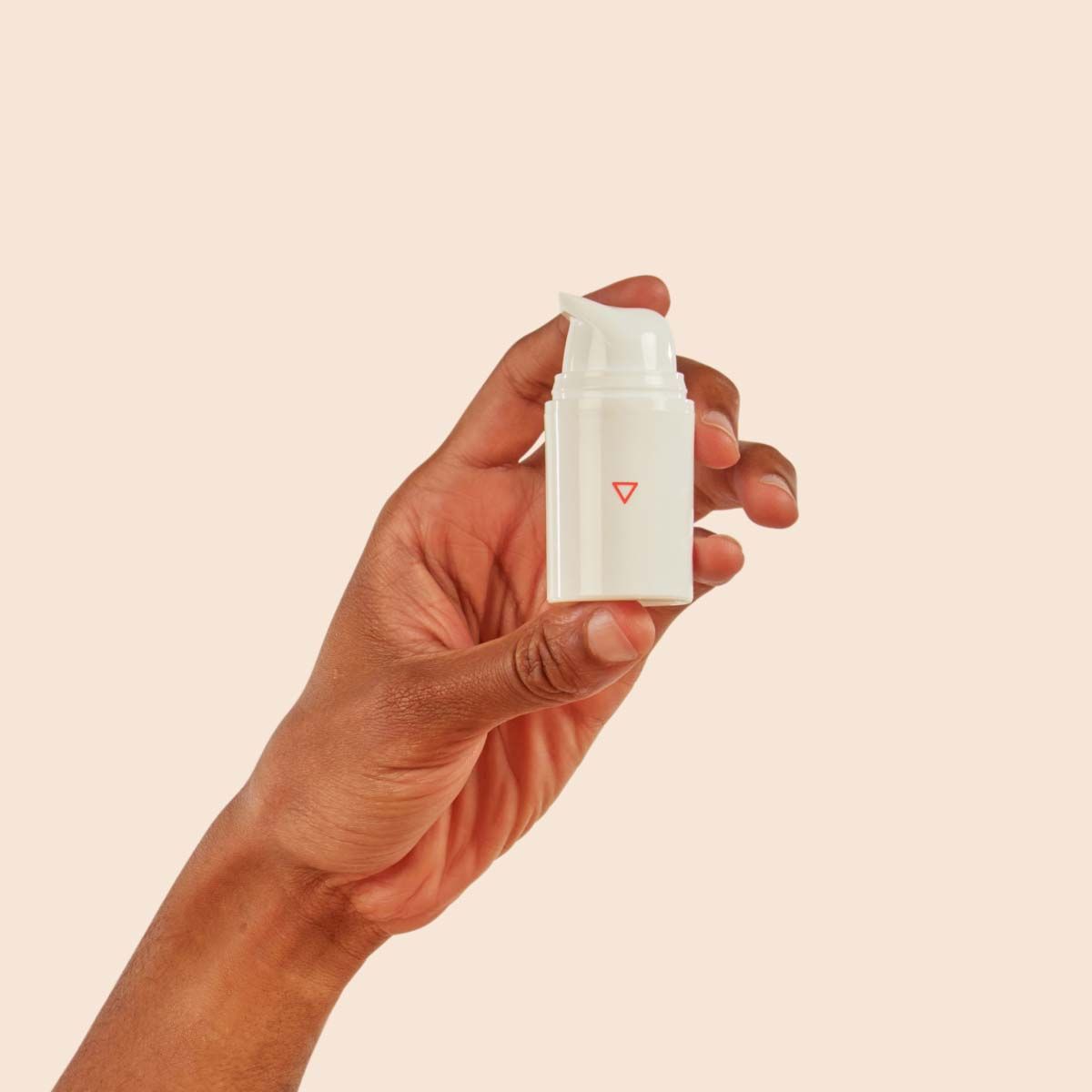
Experience relief from cold sore symptoms with our prescription antiviral cream that alleviates discomfort and accelerates the healing process.
Acyclovir Cream for Genital Herpes | HSV-2
Starting at $30
Prescription antiviral cream used to decrease outbreak healing time.