How to Soothe Herpes Outbreaks
Published on April 1, 2021
Updated on October 19, 2026
Written by Kathleen Morrison
Medically Reviewed by Dr. Shannon Chatham, DO, a healthcare provider affiliated with Wisp
Key takeaways:
- Herpes is caused by the herpes simplex virus (HSV-1 or HSV-2). There’s no known cure, but there are ways to help manage outbreaks and symptoms.
- Herpes sores tend to move through stages: tingling, blisters, open sores, crusting, and healing. Repeat outbreaks may clear up within about two weeks, while a first outbreak can last up to about four weeks.
- Prescription antivirals like Valacyclovir and Acyclovir are FDA-approved medications for herpes management.
- Clinical studies show that starting antiviral treatment during the initial tingling phase—before a blister forms—can reduce cold sore duration by 1 to 2 days. Individual results vary based on the specific medication used and how quickly treatment begins.
- Once blisters open, keeping the area clean, dry, and hands-off can help manage the risk of irritation and spreading the virus.
- Home care like cool compresses, sitz baths (for genital herpes), and loose clothing may help you feel comfortable, but it isn’t a substitute for antiviral treatment.
- Check in with a provider if it’s your first outbreak, outbreaks are severe or frequent, or symptoms last longer than usual.
Wondering how to help heal herpes sores faster? Both genital and oral herpes outbreaks are uncomfortable, inconvenient, and not exactly something you look forward to, so wanting them gone ASAP is totally fair.
Prescription antivirals from a provider, if medically appropriate, are FDA-approved to treat herpes outbreaks, with clinical studies reporting a potential reduction in healing time.
Meanwhile, gentle care at home can help manage discomfort while your sores heal.
So, whether it’s your first outbreak or one of many, there are simple ways that may help soothe symptoms and support your body. From gentle care routines to lifestyle habits that can help you take care of your body, we’re covering the essentials. No shame, no stress.
So, how long do herpes sores take to heal, what do you do once a blister opens, do antivirals actually help, and what can you try at home without a prescription?
Grab a cozy blanket, because we’ve got answers.
Wisp treatment options are available only after consultation with a licensed medical professional, if medically appropriate. You should consult with your healthcare provider before starting a new supplement or treatment regimen. Individual results may vary. Must be 18 or older. For medication details and risks, see site for details.
What you need to know about outbreaks and symptoms
Let’s talk about herpes simplex virus outbreaks, because when you know what’s going on, it can get easy to respond with confidence (instead of panic-Googling at midnight).
But what even is an outbreak? Basically, it’s your body’s way of saying, “Hey, that herpes virus is back for a bit.”
Herpes likes to hang out quietly in your nerve cells and can reactivate (aka pop back up) now and then, usually when things like stress, illness, your period, or even too much sun come into play.
Both oral and genital herpes are super common, and so are outbreaks. Oral herpes is most often linked to herpes simplex virus type 1 (HSV-1), while herpes simplex virus type 2 (HSV-2) is a sexually transmitted infection that most often causes genital herpes.
Plot twist: both HSV-1 and HSV-2 can cause sores in either spot. Outbreaks can look and feel a little different for everyone, but once you know the signs, you can tune in to your body to help ahead of the discomfort.
What herpes symptoms can look like
Here are some of the most common herpes symptoms. Just know that everyone's experience is a little different, so you might notice only one or two of these, or you might not notice any at all.
- Tingling or pins and needles: You may feel it in one specific spot before sores show up.
- Mild itching or burning: Your skin can feel itchy or irritated even when it looks totally normal.
- Tenderness or a dull ache: Some people also feel shooting nerve pain in the area.
- Cold sores (aka fever blisters): With oral herpes, these usually pop up on or around the lips.
- Blistery sores: Small, fluid-filled blisters can break open, turn red, and eventually scab over.
- Burning when you pee: Genital herpes sores can sting when urine touches open sores.
- Unusual discharge: It sometimes shows up along with genital sores.
- Swollen lymph nodes: Often in the groin, or under the jaw and neck.
- Flu-like symptoms: Fever, body aches, headache, or chills can be more common during a first outbreak.
How to help support herpes sore healing: A stage-by-stage timeline
When an outbreak shows up, it’s totally valid to feel thrown off. But with the right care (and a little compassion for yourself), you can help take some of the sting out of it.
Before we get into the how-to, it helps to know what healing actually looks like.
Herpes sores tend to follow a predictable pattern, from that first tingle to fresh, healed skin.
Knowing the stages can help you tell when things are on track and when it might be time to check in with a provider. Just know that healing time can vary from person to person, and it can look different for a first outbreak than for repeat ones.
Timeline first, then your no-nonsense guide to what to do right now.
Healing stages and typical timeline
Every outbreak can be a little different, but herpes sores tend to move through these stages:
- Prodrome (the heads-up stage): This is often the first sign of an outbreak and one of the earliest symptoms of herpes. You may feel itching, tingling, or burning in the area before a sore shows up.
- Blister stage: Next, small, fluid-filled blisters can appear. That fluid can carry the herpes virus, so this is a strictly hands-off moment.
- **Ulcer stage:**The blisters can break open and ooze, leaving shallow, tender sores (a lesion is just the medical word for these).
- Crust stage: As herpes lesions heal, a scab or crust can form over them. On moist genital skin, sores may heal without much of a visible scab at all.
- Resolution: Once visible sores fully heal, the scabs fall off. Open sores may take one to two weeks (or more) to heal.
So, what’s the total healing time? A first outbreak of genital herpes may last up to about four weeks, while repeat outbreaks may clear up within about two weeks. Cold sores may last one to two weeks.
Also, repeat outbreaks may not be as severe as the first one, which is some welcome good news.
Start with prescription antiviral medications
First things first: prescription antiviral medication from a provider, if medically necessary and appropriate, is a common treatment option for both genital herpes and cold sores.
Prescription antivirals may help shorten outbreaks, and some clinical studies report a potential reduction in healing time when treatment starts early.
Results can vary from person to person, so think of antivirals as a way to help move things along, not an overnight fix.
The two prescription antivirals you'll hear about A LOT are oral Valacyclovir and Acyclovir. Some people take them only when an outbreak happens (called episodic treatment), while others take a daily antiviral, called suppressive therapy, to help manage recurrence.
For episodic treatment, clinical guidelines recommend starting at the first sign of symptoms, so don't wait for that tingle to turn into a full-blown sore.
A provider may also recommend Acyclovir Cream for cold sores, a prescription antiviral cream you apply directly to the affected area. Like oral antivirals, it's typically started as early in an outbreak as possible.
Side effects of prescription antivirals
Like any medication, antivirals can come with side effects. Here are some common ones to know about:
Common side effects of Oral Valacyclovir may include:
- Nausea
- Stomach pain
- Headache
Common side effects of Oral Acyclovir may include:
- Nausea or vomiting
- Diarrhea
- Headache
- Fatigue or unusual tiredness or weakness
- Dizziness
- Stomach pain
Common side effects of Acyclovir Cream may include:
- Dry, cracked, or peeling lips
- Dryness or flaking of treated skin
- Burning, stinging, or itching when the medicine is applied
This is not a complete list of risks and side effects, and others may occur. If symptoms worsen or you notice signs of an allergic reaction, contact a provider right away.
You are encouraged to report negative side effects of prescription drugs to the FDA. Visit www.fda.gov/medwatch or call 1-800-FDA-1088.
How to heal herpes sores faster once blisters have already opened?
Missed the tingle and woke up to open blisters? Don't panic. Prescription antivirals from a provider, if medically necessary and appropriate, may still be worth talking about. This matters most during a first outbreak, which can last longer.
In the meantime, a little TLC can help manage discomfort:
- Keep it clean and dry: Gently wash with mild soap and water, then pat dry.
- Hands off: Picking or popping can irritate sores and spread the virus, so wash your hands if you touch them.
- Skip heavy coverings: Thick ointments and tight bandages might trap moisture.
Do antivirals actually help heal herpes sores faster than doing nothing?
Uncomplicated herpes sores may heal on their own. But antivirals do have research behind them.
Prescription herpes antivirals, mainly Acyclovir and Valacyclovir, may help with a potential reduction in healing time compared to taking a placebo (a pill with no medicine in it).
In other words, when it comes to helping herpes sores heal faster, antivirals are the option with research behind them.
Timing matters, too: clinical guidelines recommend starting treatment at the first sign of symptoms. Results may vary, and antivirals aren’t an instant fix.
If you’re dealing with your first outbreak, sores are severe, outbreaks keep coming back, or things just aren’t improving, a provider can help you decide whether a prescription antiviral makes sense for you, if medically appropriate.
Caring for herpes sores at home without a prescription
Not using a prescription antiviral right now? That’s okay. Just know that evidence for most home remedies is limited or low-quality, and no remedy has been shown to speed up the healing process or treat herpes itself.
So, think of home care as comfort support (we’ll get into that below).
Some people also add supplements to their routine. L-lysine is an amino acid supplement that some people use as part of their wellness routine.
If sores are severe, keep coming back, or aren’t improving, a provider can help you figure out next steps.
These statements have not been evaluated by the Food and Drug Administration. This product is not intended to diagnose, treat, cure, or prevent any disease. Individual results may vary.
How to help care for herpes sores?
Once blisters break open (glamorous, we know), they can feel tender and uncomfortable, so a little extra care can go a long way.
Everyday habits that can help
- Don’t share: Lip balm, utensils, cups, and face towels stay yours, yours, yours during an active oral outbreak.
- Pause skin-to-skin contact: Hold off on sex, including oral sex, and kissing until sores heal completely.
- Use a cool compress: A cold compress can be your BFF when itching, burning, or swelling flare up. To apply an ice pack, wrap some ice in a clean cloth (or grab a cold gel pack) and gently hold it on the area for short stretches. Just never put ice directly on your skin. Too harsh!
- Take a warm sitz bath: Soaking in a few inches of warm water may help bring some comfort. Toss in a bit of Epsom salt if you'd like, and chill there for a bit.
- Dress for comfort: Stick to loose, breathable clothes, especially cotton underwear and relaxed pants or skirts.
Go easy on your mouth: If you've got an oral outbreak, try to steer clear of spicy, salty, or acidic foods until things calm down. Your mouth will thank you.
If sores look infected (think spreading redness, pus, or pain that’s getting worse instead of better), check in with a provider.
Your natural comfort toolkit
If you’ve ever searched for home remedies to heal herpes sores, you’re in good company. Once you've taken care of the essentials (hi, prescription antivirals), there are natural additions that may help give your body some extra love.
These aren’t miracle fixes (no remedy is a cure for herpes, and none has been shown to speed healing), and they definitely aren’t a substitute for meds.
But they may help support your skin and let you feel a bit more like yourself again:
- Aloe vera gel: A thin layer of pure aloe vera gel may help calm skin that feels hot, itchy, or irritated. Look for one with a high percentage of aloe and minimal added ingredients.
- Manuka or raw honey: A tiny dab may feel soothing on irritated skin, though research in people is limited. Bonus: it's sticky, so you may be less tempted to touch or scratch the area.
- Chamomile and herbal teas: Some people find that a cooled cup of chamomile, peppermint, or lemon balm tea may feel calming when dabbed on with a clean cloth.
Food and supplements that may help support your body
Okay, let’s talk nourishment. Your body’s working hard during an outbreak, and giving it a little love from the inside out can go a long way.
While no food or supplement is going to magically make things disappear (if only!), there are some easy things you can add to your routine to help support your body and immune system.
Foods that love you back
A colorful, balanced plate isn’t just good vibes. It can also help fuel your body with the nutrients it craves when it's feeling under pressure.
Here are a few great ingredients to keep in mind:
- Lysine-rich foods: Lysine is an amino acid that may help support general immune health. You’ll find it in fish, chicken, turkey, and legumes (hello, lentil soup weather).
- Vitamin C heroes: Citrus fruits, berries, kiwi, and leafy greens are all loaded with vitamin C, which may help support your immune system and your skin.
- Probiotic-packed picks: Fermented foods like yogurt, sauerkraut, kimchi, and kefir may help support a healthy balance of gut bacteria, which is a nice little bonus for your overall wellness.
- Zinc: This one may help support immune health. You can snag it from natural food sources like oysters, beef, and pumpkin seeds, or in supplement form.
- Vitamin D: Sunshine in vitamin form! Vitamin D plays a role in helping support immune function. If you’re low on sun exposure, ask your provider whether a supplement makes sense for you.
- L-lysine: L-lysine supplements may help support your body and general immune health.
Quick note: If you’re adding new supplements to your routine, it’s always a good idea to check in with your provider to make sure it works for your body and your needs.
These statements have not been evaluated by the Food and Drug Administration. This product is not intended to diagnose, treat, cure, or prevent any disease. Individual results may vary.
Foods you should probably limit
Now let’s talk about what might make you feel a little meh during an outbreak. Everyone’s different, but if you’re noticing certain foods tend to flare things up, it might be worth experimenting with swaps. A few common ones:
- Arginine-rich foods: Arginine is another amino acid, but unlike lysine, it may stir things up for some people. Foods like chocolate, nuts, and seeds are higher in arginine. If you’re in the middle of an outbreak, it might be worth hitting pause on those.
- Sugary or super-processed stuff: These may be inflammatory and might leave your immune system dragging a bit. Think: soda, candy, or heavily refined carbs.
- Alcohol and caffeine: Booze and coffee can be dehydrating, and your body really wants all the hydration and rest it can get right now. If you’re mid-outbreak, scaling back might help you feel more comfortable.
Gentle habits that bring balance
Let’s talk about the everyday things that can help your body feel a little more balanced, especially during a flare-up.
While they won’t help sores heal faster, they may help you feel grounded and in control.
Managing your stress
Stress is one of those things that can sneak up on you. While we can’t completely cancel stress (we wish), there are ways to make life feel a little more manageable.
Here are a few gentle ideas to keep stress in check:
- Deep breathing, meditation, or a few minutes of stretching
- Moving your body in a way that feels good: walking, dancing, workouts, anything that lifts your mood
- Doing something just for fun, even if it’s silly or small
- Talking things out with someone you trust, or journaling it out solo
Whatever helps you feel calmer, make space for that. You don’t need to earn your rest.
Prioritizing rest
Sleep does more than help you feel refreshed. It’s one of the ways your body resets and recharges, and getting enough quality sleep may help make a difference in how you feel, especially during an outbreak.
Try to get enough sleep each night and give yourself permission to slow down when your body’s asking for it. During a flare-up, extra rest isn’t lazy; it’s smart. Let yourself lean into it.
Know your triggers
No two bodies are exactly alike, so what sparks an outbreak for one person might not affect another.
Paying attention to how you feel before and during an outbreak can help you notice patterns, and that can be really helpful when deciding what to adjust in your routine.
Things some people find triggering include:
- Long periods of sun exposure
- Hormonal shifts like your period or pregnancy
- Getting sick or recovering from medical procedures
- Friction from tight clothing or intense workouts
- Certain foods or medications
You don’t need to track every single thing, but even a few notes in your phone can help you spot patterns over time, and that info can come super handy for helping manage herpes long term.
When to talk to a provider about an outbreak
Home care may help keep you comfortable during a herpes outbreak, but there are moments when checking in with a provider is a smart move. No shame in that game.
Here’s when it might be time to reach out:
- You’re experiencing your first outbreak and want some guidance (totally valid, since new stuff can feel overwhelming)
- Things are feeling extra intense, like severe pain or a lot of discomfort
- You’re having frequent or severe outbreaks
- The sores are near your eyes (definitely something an in-person provider should take a peek at ASAP)
- It’s been more than two weeks, and you’re still dealing with symptoms
- You have a health condition that affects your immune system
- You recently tested positive for herpes and want a game plan
Whether you’re looking for peace of mind or you just want a little backup, prescription antivirals like Valacyclovir and Acyclovir from a provider, if medically appropriate, may be an option worth talking about.
Just know they’re prescription-only, so you won’t find them over the counter.
Outbreaks can happen, but you’re in charge
We all know herpes outbreaks aren’t fun. They can be uncomfortable, emotional, and just plain frustrating. But luckily, there are gentle ways that may help support your body through it all.
Understanding how your body works, spotting those early signs, and giving yourself the care you need can go a long way. From cool compresses and soothing natural additions to simple things like more rest, less stress, and foods that love your immune system, you’ve got a whole toolbox of support.
And if things feel intense or symptoms linger, it’s absolutely okay to loop in a provider.
Whether it’s your first outbreak or just a particularly stubborn one, reaching out doesn’t mean something’s wrong. It just means you’re looking out for yourself.
At Wisp, we’re all about easy, discreet care that meets you where you’re at. From prescription oral antivirals to topical creams, our providers can help you explore prescription treatment options for managing herpes, if medically necessary and appropriate, with zero judgment.
You’re in charge of your health, and we’re here to back you up every step of the way.
This blog post is for informational and educational purposes only and should not be taken as professional advice. Always consult with a qualified professional before making any decisions based on the information provided here.
Trusted Treatments
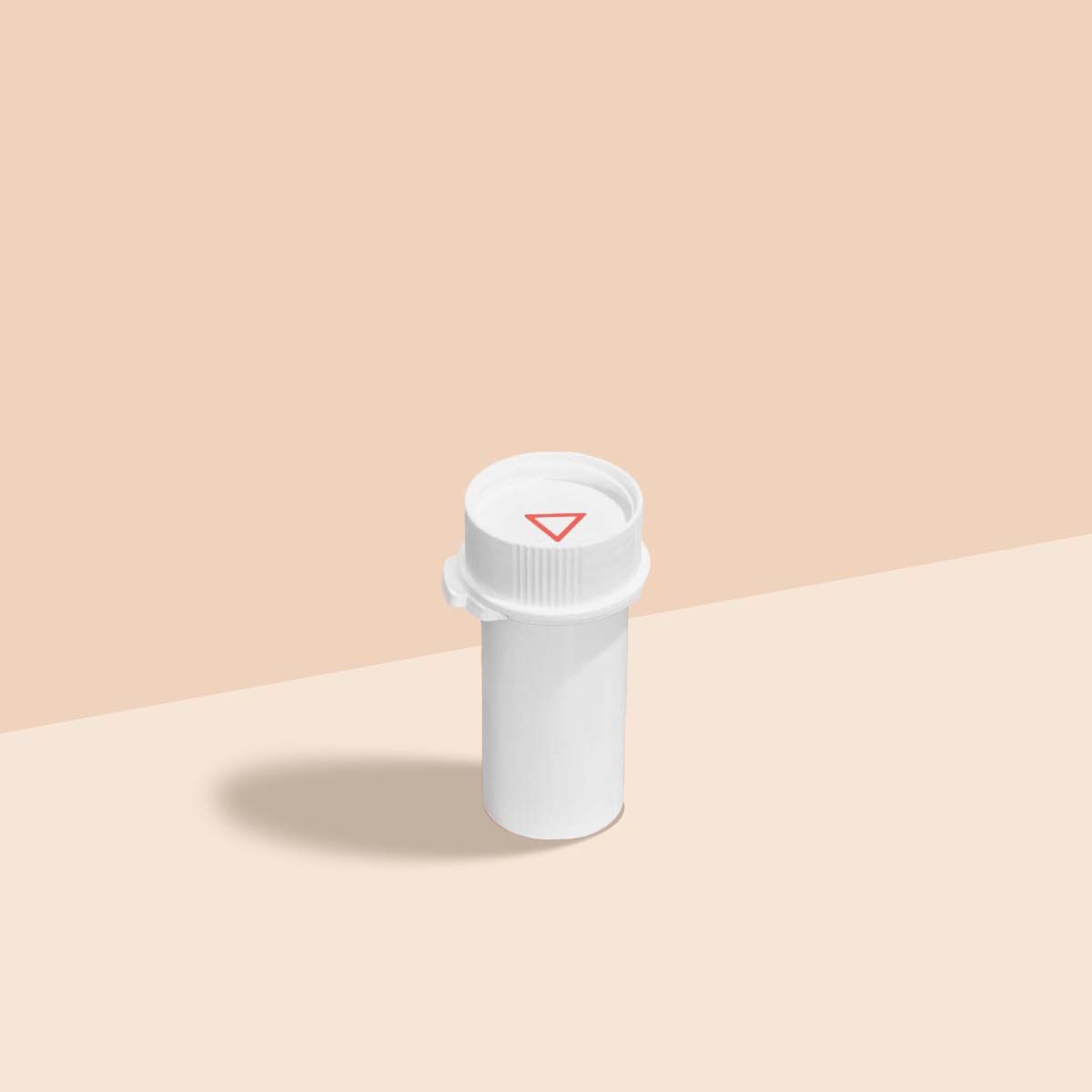
Valacyclovir & Acyclovir For HSV-2
Starting at $10/ month
Prescription antiviral pills used to prevent & treat outbreaks
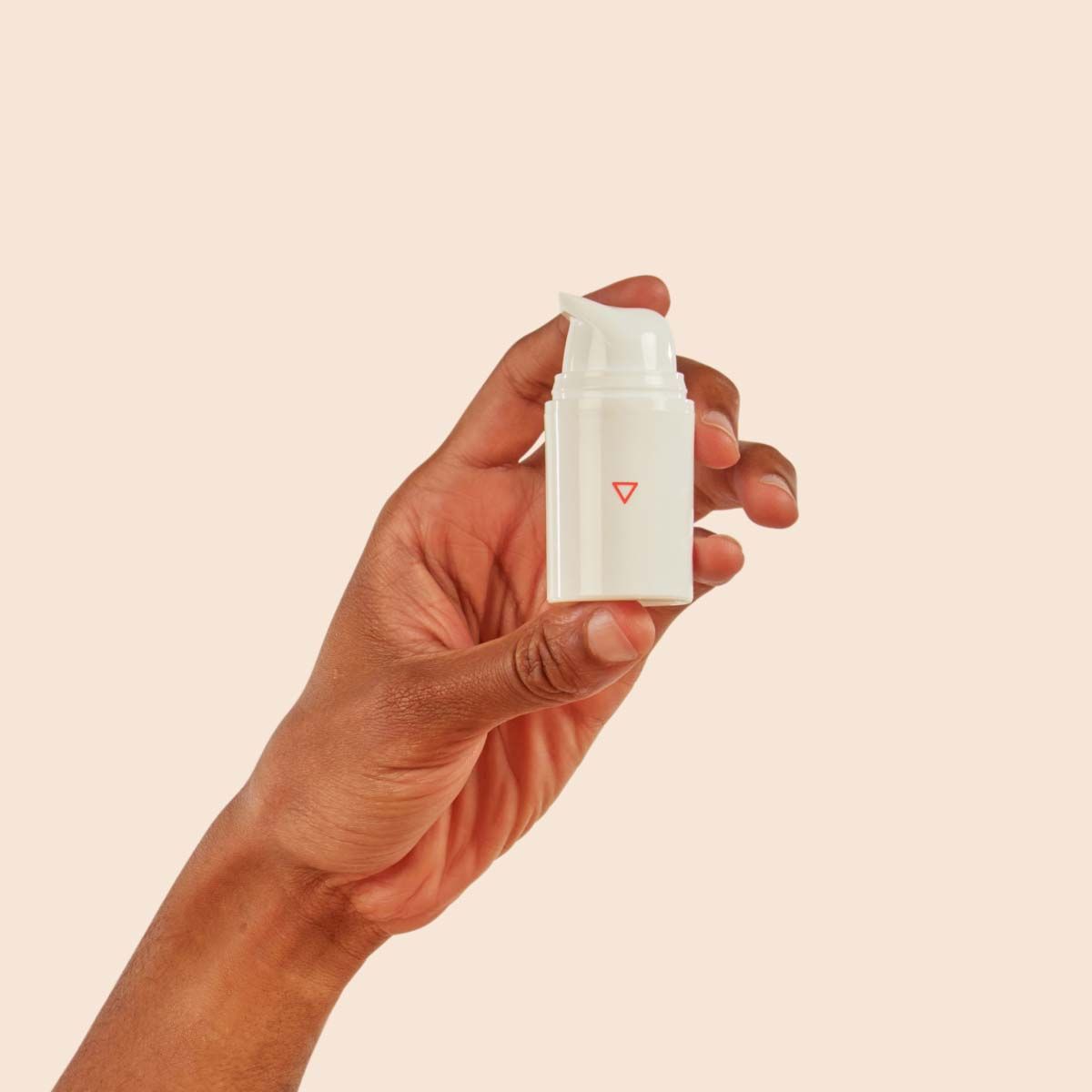
Acyclovir Cream for Cold Sores | HSV-1
Starting at $30
Experience relief from cold sore symptoms with our prescription antiviral cream that not only alleviates discomfort but also accelerates the healing process.
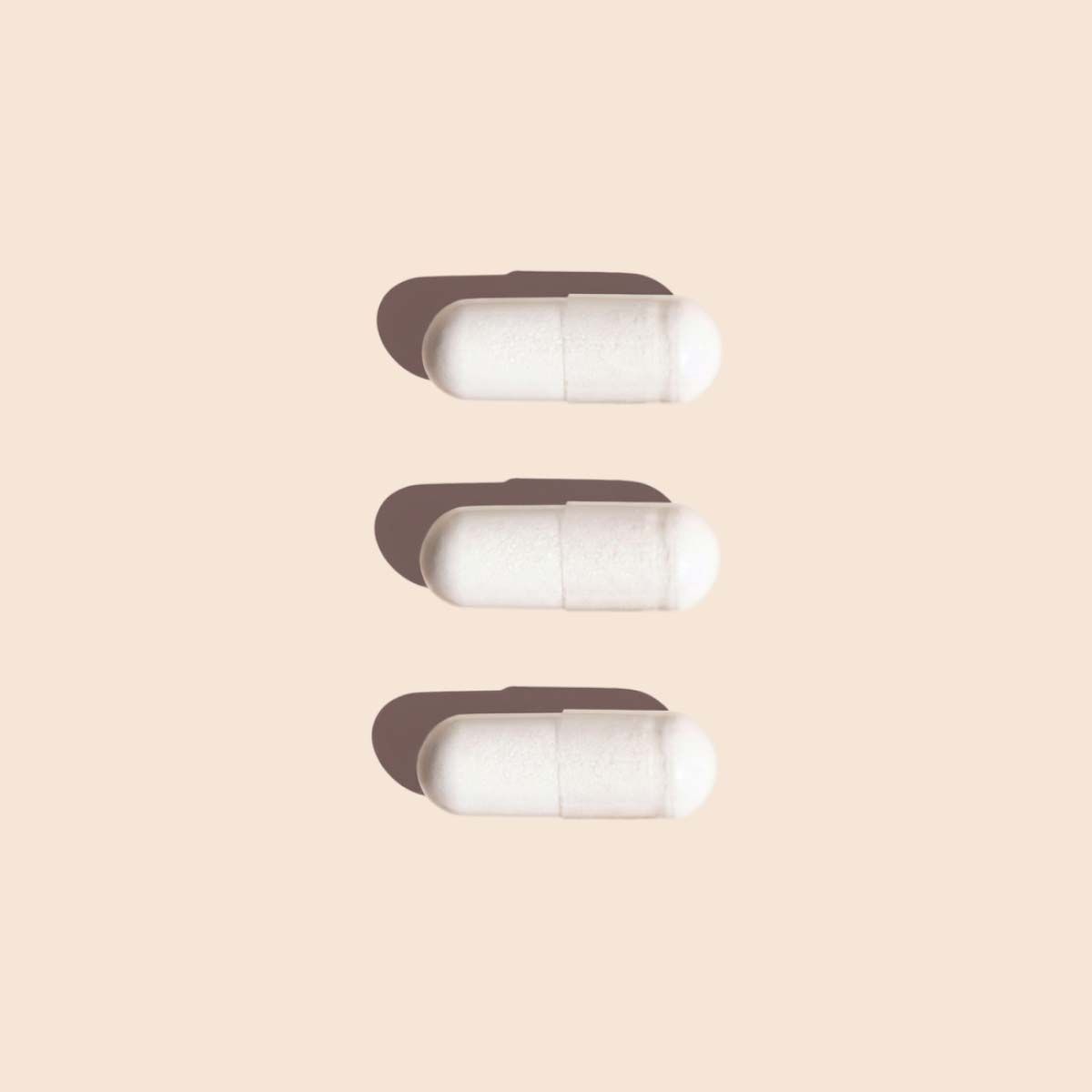
L-Lysine | HSV-2
Starting at $27
Manage the severity of oral & genital herpes outbreaks with L-Lysine (no prescription needed).