Written by Kathleen Morrison
Medically Reviewed by Andrea Sleeth WHNP-BC, MSCP, a healthcare provider affiliated with Wisp
Key takeaways:
- If hormone therapy isn't right for you (whether due to breast cancer history, blood clots, or personal preference), there are FDA-approved non-hormonal medications that may help with hot flashes and other vasomotor symptoms.
- Elinzanetant (Lynkuet), Fezolinetant (Veozah), and low-dose paroxetine (Brisdelle) are the three FDA-approved nonhormonal treatment options specifically for menopausal hot flashes.
- Off-label options like gabapentin, venlafaxine, and clonidine may also help manage hot flashes and night sweats, depending on your symptoms and health history.
- The North American Menopause Society (NAMS) recommends cognitive behavioral therapy alongside prescription options as an evidence-based non-hormonal approach.
- Non-hormonal vaginal moisturizers and lubricants may help with vaginal dryness without systemic hormones.
- A provider who understands menopause can evaluate your full picture and help you figure out which non-hormonal treatment option fits your situation.
Hot flashes at the worst possible moments, night sweats that turn your bed into a slip-and-slide, and mood shifts that feel completely out of character (and tick off the people around you).
If menopause symptoms like these are running your life but hormone therapy isn't an option (or just isn't your thing), you're not stuck.
Whether you have a history of breast cancer, a clotting risk, or simply prefer a non-hormonal path, there are real, evidence-based options that may help you feel more like yourself. From FDA-approved medications to lifestyle changes, let's walk through what's actually worth exploring.
FDA-approved non-hormonal medications
There are some non-hormonal treatments that have gone through rigorous clinical trials and received specific FDA approval for menopausal hot flashes. That matters because it means the evidence behind them is solid.
Elinzanetant (Lynkuet)
Lynkuet is the newest FDA-approved non-hormonal treatment for moderate to severe vasomotor symptoms due to menopause.
Approved in October 2025, it is the first treatment of its kind to target both NK1 and NK3 receptors involved in the brain pathways that help regulate body temperature.
Common side effects may include:
- Headache
- Dizziness
- Stomach pain, diarrhea
- Rash
- Muscle spasm
This is not a complete list of risks and side effects, and others may occur. If symptoms worsen or you notice signs of an allergic reaction, contact a provider right away.
Fezolinetant (Veozah)
Fezolinetant is an FDA-approved non-hormonal treatment for moderate to severe vasomotor symptoms of menopause. It works differently from antidepressant-based options by blocking NK3 receptors in the brain's temperature control center, directly targeting the mechanism behind hot flashes.
Clinical trials showed it may significantly reduce both the frequency and severity of hot flashes, often within the first week. It's taken as a daily pill.
Important: Your in-person provider may check your liver function before starting and periodically during treatment, since rare but serious liver effects have been reported.
Common side effects may include:
- Stomach pain or diarrhea
- Trouble sleeping
- Back pain
- Headache
This is not a complete list of risks and side effects, and others may occur. If symptoms worsen or you notice signs of an allergic reaction, contact a provider right away.
Low-dose paroxetine (Brisdelle)
Brisdelle was the first FDA-approved nonhormonal medication for hot flashes caused by menopause, approved in 2013. It's a selective serotonin reuptake inhibitor (SSRI) at a lower dose than what's typically prescribed for depression or anxiety.
Studies suggest it may help reduce moderate to severe hot flashes, and many participants reported the improvement felt clinically meaningful. One thing to know: if you take tamoxifen for breast cancer, paroxetine may interfere with how your body processes it. Your provider will factor this in.
Common side effects may include:
- Nausea
- Dry mouth
- Diarrhea
- Constipation
This is not a complete list of risks and side effects, and others may occur. If symptoms worsen or you notice signs of an allergic reaction, contact a provider right away.
Off-label prescription options
Several prescription medications are used off-label to help with menopause symptoms. "Off-label" means the FDA approved them for something else, but research supports their use for hot flashes and night sweats, too.
Gabapentin
Originally approved for seizures and nerve pain, gabapentin is commonly prescribed off-label for vasomotor symptoms. It may help support healthy body temperature regulation and promote a calm, restful sleep, which can actually be a bonus if night sweats are wrecking your sleep. Silver lining? We'll take it.
Common side effects may include: dizziness, drowsiness, coordination issues, swelling, and weight gain.
Venlafaxine (SNRI)
This serotonin and norepinephrine reuptake inhibitor in the SNRI category is frequently prescribed off-label for hot flashes. Research suggests it may help support temperature regulation for many women struggling with menopause.
Common side effects may include: nausea, dry mouth, sleep changes, dizziness, and sexual side effects.
Clonidine
A blood pressure medication used off-label to help maintain temperature regulation, clonidine tends to produce more modest results compared to SSRIs or gabapentin. Your provider might suggest it as part of a broader approach or when other options haven't been a good fit.
Common side effects may include: dry mouth, drowsiness, dizziness, constipation, and low blood pressure.
This is not a complete list of risks and side effects, and others may occur. If symptoms worsen or you notice signs of an allergic reaction, contact a provider right away.
Starting off by having an online menopause consultation is an easy, low-stress, and low-pressure first step if you're not sure whether hormone therapy or a non-hormonal option is the right choice for you.
An online provider can hear you out about your symptoms and concerns before guiding you towards the best treatment or support for you and your body.
Lifestyle and mind-body approaches
Not everything that helps comes in a pill. Some non-hormonal strategies may help with the day-to-day impact of menopausal symptoms, especially when layered with other treatments.
Cognitive behavioral therapy (CBT)
This one has genuinely strong evidence behind it. The NAMS 2023 position statement gives CBT Level I recommendations for managing hot flashes.
It's not about "thinking away" your symptoms. It teaches practical techniques for responding to hot flashes in ways that may reduce their impact on your life and sleep. (Your brain is more powerful than you think.)
Everyday adjustments that may help
- Keep your bedroom cool (around 65 degrees F) with breathable sheets and a bedside fan
- Dress in layers so you can adjust as your internal thermostat does its thing
- Track your triggers: alcohol, caffeine, spicy foods, and stress tend to make hot flashes worse for many people
- Stay active: regular exercise may help with mood, sleep, and weight management during the menopausal transition, even if it doesn't directly reduce hot flash frequency
What about supplements?
You've probably heard about black cohosh, phytoestrogens, soy, and other herbal options. Here's the honest truth: the NAMS 2023 position statement does not recommend dietary supplements or herbal remedies for vasomotor symptoms due to inconsistent or insufficient evidence.
That doesn't mean nobody finds them helpful. Some people report that supplements may help support their comfort during the transition. But the evidence isn't strong enough for major medical organizations to recommend them as a go-to.
If you're curious, talk to your provider before trying anything, especially if you take other medications.
Managing vaginal dryness without hormones
Vaginal dryness affects most people during and after menopause, and it doesn't get talked about nearly enough. (Your vagina deserves better press.)
Lower estrogen levels mean less natural lubrication and thinner vaginal tissue, which can make sex uncomfortable.
Non-hormonal vaginal moisturizers (used every few days) may help maintain vaginal moisture, while pH-friendly lubricants can reduce friction during intimacy. Look for products without fragrances, glycerin, or warming ingredients, as these can cause irritation. Using moisturizers consistently tends to work better than waiting until discomfort gets severe.
Hair changes during menopause
If you're noticing thinning hair alongside everything else (because menopause loves to multitask), Oral Minoxidil is one prescription option worth discussing with a provider.
It's not a non-hormonal menopause treatment per se, but hair changes during perimenopause or menopause are common enough that it's worth mentioning.
Wisp treatment options are available only after consultation with a licensed medical professional, if medically appropriate. You should consult with your healthcare provider before starting a new supplement or treatment regimen. Individual results may vary. Must be 18 or older. For medication details and risks, see site for details.
Find a non-hormonal plan that fits your life
You don't have to white-knuckle your way through menopause, and you don't have to choose hormones if they're not right for you.
Whether you're exploring hormone therapy or not, there are real options that may help you feel more like yourself.
Wisp offers online consultations where you can talk through your symptoms with a licensed provider who understands menopause care.
Get personalized guidance on non-hormonal treatments, same-day prescriptions* when appropriate, and judgment-free care that meets you where you are. No in-person waiting rooms, no hassle. Schedule a menopause consult and start the conversation today.
*Most prescriptions are sent to your pharmacy within 3 hours of completing your patient intake form and video chat when necessary. Pending retail pharmacy hours.
Wisp is not affiliated and does not sponsor or endorse any company names, logos, or brands shown or mentioned. All product names, logos, brands, and other trademarks or images shown or mentioned are the property of the respective brand owners and are only used to identify the products and services of their respective owners.
This blog post is for informational and educational purposes only and should not be taken as professional advice. Always consult with a qualified professional before making any decisions based on the information provided here.
Trusted Treatments

Menopause Consult Online
Starting at $33/ month
Customized care for menopause & perimenopause symptoms including estrogen & progesterone hormone replacement.
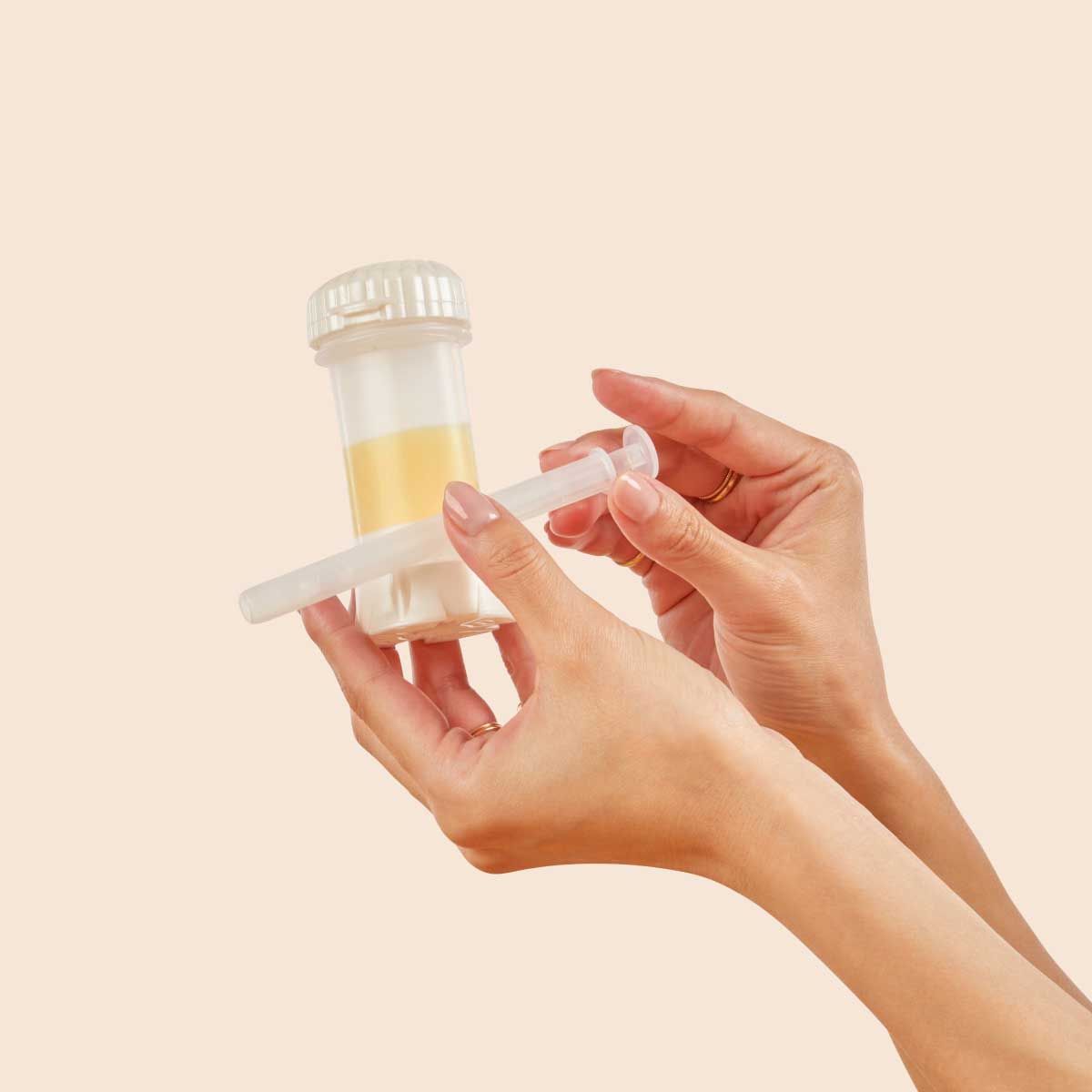
Non-Hormonal Vaginal Moisturizer
Starting at $60
Hormone-free moisture for all life stages, including breastfeeding, postpartum, and menopause.
Oral Minoxidil
Starting at $36
A trusted prescription solution for hormone-related hair loss.