Written by Kathleen Morrison
Medically Reviewed by Andrea Sleeth WHNP-BC, MSCP
Key takeaways:
- Bacterial vaginosis is a vaginal condition caused by an imbalance in your vaginal microbiota, and prescription antibiotics like metronidazole or clindamycin are the standard treatment for bacterial vaginosis.
- Probiotics for BV help support a healthier microbiome by reintroducing beneficial Lactobacillus strains that produce lactic acid and maintain vaginal pH.
- Research suggests that using probiotics alongside antibiotic therapy helps support better outcomes and potentially helps manage recurrent bacterial vaginosis.
- Probiotics come in different forms: oral probiotics taken orally, vaginal suppositories, or vaginal application options
- The best probiotics contain specific strains with adequate colony-forming units.
- Talking with a healthcare provider can help you figure out the right regimen and approach for your body.
You know that feeling when something’s just… Off down there? If you’ve dealt with bacterial vaginosis (BV) before, you’re probably all too familiar with the telltale signs:
- Fishy odor
- Unusual vaginal discharge
- Itching.
And if you’re wondering whether probiotics for bacterial vaginosis can actually make a difference in your vaginal health journey, you’re asking a really good question.
Here’s the honest truth: probiotics aren’t going to replace your prescription, but they can be a helpful addition to your overall care plan.
Let's see how probiotics work to support the vaginal microbiome, especially when it comes to helping your body bounce back after treatment.
Wisp treatment options are available only after consultation with a licensed medical professional. You should consult with your healthcare provider before starting a new supplement or treatment regimen. Individual results may vary.
First, what is bacterial vaginosis (BV)?
BV happens when the delicate microbial balance in your vagina gets disrupted.
In a normal vaginal environment, beneficial bacteria (mostly Lactobacillus species) dominate and keep everything in check.
But when harmful anaerobic bacteria start outnumbering the good guys, that’s when BV shows up.
The symptoms of BV can range from thin, grayish-white vaginal discharge with that distinctive fishy smell (often stronger after sex) to sometimes burning during urination.
Some women with BV don’t notice any symptoms, which is why staying in tune with your body matters.
Does BV keep coming back?
Ugh, yes! What makes BV tricky is its high recurrence rates. Many women experience a recurrence within months of initial treatment.
The rate of recurrence can be significant among patients who’ve had BV before. This high rate of recurrence is one reason researchers have been exploring whether probiotics can effectively support long-term vaginal health.
Probiotics vs antibiotics
Let’s clear something up: the conversation around probiotics vs antibiotics isn’t about choosing one over the other.
They serve different purposes, and understanding that difference helps you make smarter decisions.
When you need prescription strength
If you’re dealing with active BV symptoms, prescription antibiotics are the clinically recommended treatment for bacterial vaginosis.
Your healthcare provider might prescribe oral medication or a topical gel, depending on your situation.
These medications typically start improving symptoms within a few days, with a solid cure rate for initial infections.
Getting proper BV treatment matters, especially if you’re pregnant or trying to conceive, since untreated BV can lead to complications.
Where vaginal probiotics fit in
While antibiotics handle the active infection, consuming probiotics during and after treatment may help support your vaginal microbiome as it recovers.
Many report that taking probiotics alongside antibiotic therapy can be associated with better outcomes.
The key benefits include:
- Supporting healthy vaginal flora
- Supports vaginal tract bacterial balance
- Help maintain an optimal vaginal pH
- Supporting vaginal health between BV treatments to help with recurrence
However, probiotics alone aren't a treatment for bacterial vaginosis.
How do probiotics for BV work alongside standard medical treatment?
When your doctor prescribes antibiotics to treat bacterial vaginosis, typically metronidazole or clindamycin, those medications do an excellent job of clearing out the overgrowth of harmful bacteria.
But antibiotics can also reduce some of your beneficial bacteria in the process. That’s totally normal, and it’s where probiotics can help.
Probiotics containing Lactobacillus strains may help support the repopulation of your vaginal microbiota with beneficial microbes.
These good bacteria naturally produce lactic acid and hydrogen peroxide, which help maintain the acidic vaginal pH your body needs to keep harmful bacteria from taking over again.
Think of it as giving your vaginal walls and tissues some backup while your body works to restore its natural balance.
It’s really important to understand that probiotics can work as a complement. Without antibiotics, an active BV infection won’t clear on its own, no matter how many probiotics you take.
What research 'actually' says about probiotics
You might be wondering: do probiotics actually work for this, or is it all hype? The honest answer is that the science is promising but still evolving.
The use of probiotics (both oral and intravaginal), especially when combined with standard antibiotic therapy, may help support better outcomes.
Some studies also suggest that women using probiotics experienced lower BV recurrence compared to those receiving a placebo alone.
That said, the efficacy of probiotics can vary based on the strains used, the delivery method, and individual factors.
The research shows enough promise that it’s worth discussing with your healthcare provider. But it’s not a guaranteed solution to fight vaginal inflammation or the recurrence of BV.
Can probiotics help keep BV from coming back?
This is the million-dollar question for anyone who’s dealt with BV multiple times. The recurrence rate for BV is high.
Some women experience a recurrence within just a few months of treatment.
Probiotics can help support a healthy, more stable vaginal microbiome over time.
They do so by maintaining robust Lactobacillus populations, you’re creating an environment that’s less hospitable to the harmful bacteria that cause BV.
While we can’t say probiotics will definitely prevent the vaginal infection from returning, they may help support your body’s natural defenses.
Which probiotics for BV are most commonly recommended by clinicians?
Not all probiotic strains are created equal when it comes to vaginal health.
If you’re looking for the best probiotics to support your vaginal microbiota, here’s what to look for:
- Lactobacillus crispatus is the dominant species in a healthy vaginal microbiome. People with higher levels of L. crispatus tend to have more stable vaginal environments.
- Lactobacillus rhamnosus has been studied extensively for its potential role in supporting vaginal flora, often in combination with other strains.
- Lactobacillus reuteri can help with vaginal infection concerns.
- Lactobacillus acidophilus is one of the most widely available strains and is known for producing lactic acid that can help support healthy vaginal pH.
When choosing a probiotic, check that it contains adequate colony-forming units (CFUs). Also, look for products specifically formulated for vaginal health support.
Oral probiotics vs vaginal suppositories
Vaginal probiotics come in different delivery methods, and each has its own considerations.
Oral probiotics are convenient and easy to incorporate into your daily routine. When taken orally, beneficial bacteria travel through your digestive system and may eventually colonize the vaginal area.
Vaginal probiotic suppositories or products designed for vaginal application deliver probiotics directly where they’re needed.
Your healthcare provider can help you determine which approach (or combination) makes sense for your situation.
Tips for supporting your vaginal health long-term
Probiotics are just one piece of the puzzle.
Here are other ways to keep your vaginal microbiome happy:
- Wear breathable underwear: Cotton keeps things dry and discourages the moist environment where unwanted bacteria thrive.
- Skip the douching: Your vagina is self-cleaning, and douching disrupts your normal vaginal flora.
- Practice safe sex: Using protection can help reduce your risk of BV by reducing the disruption of the vaginal bacterial balance.
- Pay attention to your body: If you notice unusual discharge, odor, or itching, early attention to symptoms makes a real difference.
- Complete your full antibiotic course: Finishing your prescribed regimen may help reduce BV recurrence.
Show BV who's boss
Dealing with BV—especially when it keeps coming back—can feel exhausting.
But understanding how probiotics help support your vaginal health alongside proper medical treatment puts you in a better position to advocate for yourself.
If you’re experiencing symptoms or want to discuss your options for treating vaginal concerns, Wisp makes it easy to connect with licensed healthcare providers online.
You can get prescription BV treatment—no awkward in-person waiting, no judgment. The waiting room can wait, and you deserve care that fits your life.
Get the answers you need with Wisp!
This blog post is for informational and educational purposes only and should not be taken as professional advice. Always consult with a qualified professional before making any decisions based on the information provided here.
Trusted Treatments

BV Antibiotics (Tablets or Gel)
Starting at $15
Request topical or oral prescription antibiotics to treat bacterial vaginosis.
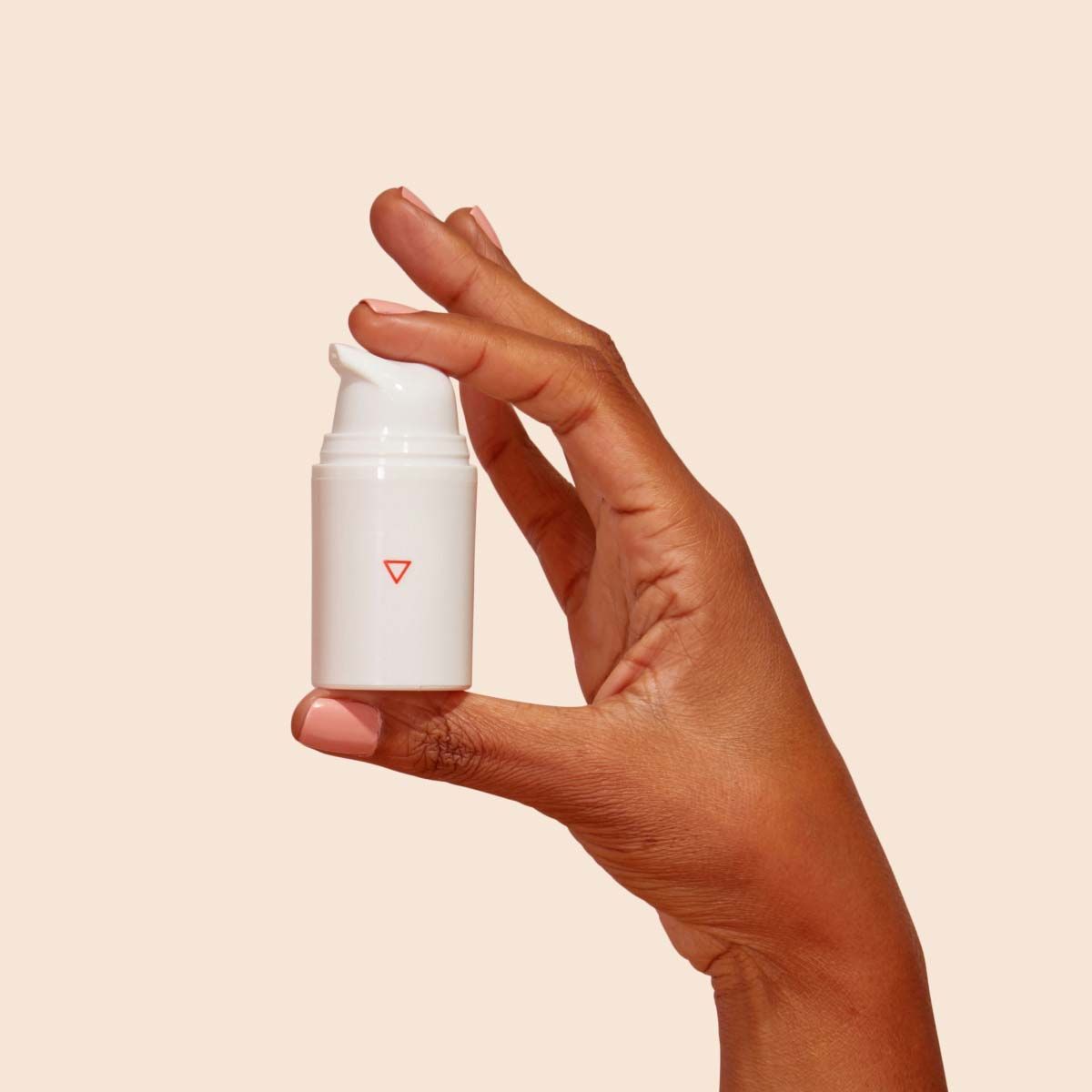
Metronidazole Gel (Metrogel)
Starting at $90
Prescription vaginal cream to treat new or chronic BV infections from home.

Online BV Treatment for Men (Metronidazole & Clindamycin)
$99
Prescription BV partner care for patients assigned male at birth.
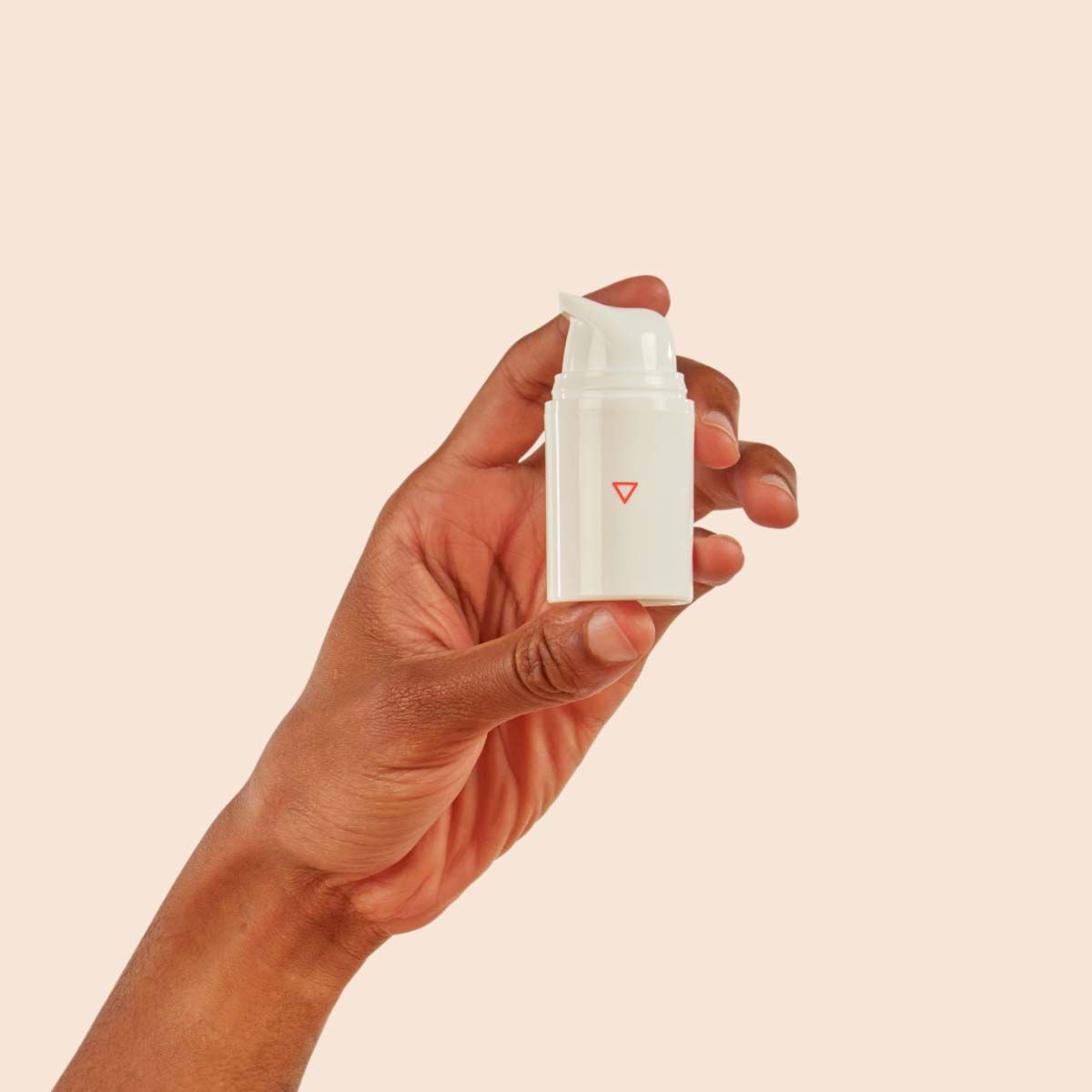
Clindamycin Cream (Cleocin)
Starting at $100
Topical Clindamycin is a trusted prescription antibiotic approved by the FDA to treat chronic and first-time BV.