Valacyclovir Not Working?
Reasons and What To Do Next
Published on October 19, 2026
Written by Kathleen Morrison
Medically Reviewed by Dr. Shannon Chatham, DO, a healthcare provider affiliated with Wisp
Key Takeaways
- Valacyclovir (generic Valtrex) may not seem to be working for a few reasons: starting it after blisters appear, a dose or regimen that doesn't match the episode, missed doses, being on episodic treatment when your pattern calls for daily suppression, or sores that aren't herpes at all.
- Starting an antiviral at the first sign of an outbreak, like a tingle or itch, is when it can help you the most.
- True antiviral resistance is uncommon in people with healthy immune systems, though it can be worth considering when lesions persist despite appropriate treatment.
- Acyclovir is another prescription antiviral a provider may consider if a switch makes sense.
- Famciclovir may be considered by an in-person provider as another oral antiviral option, though it isn't interchangeable with Valacyclovir for everyone.
You took the pills. You did the thing. And the outbreak showed up anyway, right on schedule, like an ex who somehow still has your address.
If Valacyclovir is not working the way you hoped, that can feel frustrating, and a lot of times it's usually for reasons that have little to do with the drug quitting on you.
Timing, dose, and whether you're on the right plan for your pattern can all shape how much this medication can do.
Most of those are things you sort out in conversation, which is why prescription antivirals are reviewed with a provider rather than adjusted on your own.
Here's what to know about why an antiviral can fall short, and what your realistic next moves are.
Wisp treatment options are available only after consultation with a licensed medical professional, if medically appropriate. You should consult with your healthcare provider before starting a new supplement or treatment regimen. Individual results may vary. Must be 18 or older. For medication details and risks, see site for details.
What Valacyclovir can and can't do
Much of feeling let down by a medication is expecting it to do a job it was never hired for.
Valacyclovir has a specific job description, and once you know where the lines are, "it's not working" often turns into "oh, that's not what it does."
So before we troubleshoot anything, here's the actual scope:
Valacyclovir is an antiviral medication your body converts into Acyclovir, which works to interfere with how herpesvirus DNA copies itself. It has activity against HSV-1 and HSV-2, along with some other herpesviruses.
What Valacyclovir can do
- May help shorten a herpes outbreak and speed up lesion healing when started early
- Can help manage how often genital and oral herpes recurrences happen, when taken as daily suppressive therapy
- May help lower viral shedding and manage the risk of transmission to sexual partners when taken as prescribed in clinical studies
- Is FDA-approved to treat a first episode, recurrent episodes, and cold sores, also called fever blisters, under its own regimen for each
What it can't do
- Clear the herpes simplex virus from your body; HSV settles into nerve cells and goes dormant, so treatment can help suppress viral activity rather than ending the herpes infection
- Make a lesion vanish overnight, even with perfect timing
- Eliminate the chance of passing HSV to a partner
- Do much of anything for a sore that isn't actually herpes
- Fully eliminate any pain associated with the sore
Valacyclovir not working? What's happening & next steps
Now that we've got the job description, we can figure out where the plan went sideways.
Here's why Valacyclovir may not be working for you:
- You started after the blister appeared. If your provider has prescribed episodic treatment, starting at the first tingle may help the treatment do more.
- Outbreaks keep coming back. Ask a provider about adding a daily suppressive plan, if medically necessary and appropriate. It doesn’t have to replace episodic treatment, since a provider may still recommend an episodic dose if an outbreak breaks through.
- The dose doesn't match the episode. Request a regimen review; don't adjust anything yourself.
- Nothing changed despite good timing. Get an active lesion swabbed to help check if it's really HSV.
- You've missed doses. Take Valacyclovir exactly as prescribed, and if you miss a dose, ask a provider what to do rather than doubling the next dose.
- You have a weakened immune system. Seek prompt evaluation by an in-person provider and ask about susceptibility testing.
Each of those deserves more than a bullet point, so let's take them one at a time, including what to actually say when you bring it up.
Timing: Why Valacyclovir may not be working if you started late
Here's the part nobody emphasizes enough. This medication can help do the most while the virus is still gearing up, not after it has thrown the party and invited the neighbors.
That early warning phase, the tingling or itching where a sore is about to appear, is the best window. It is suggested that treatment should be initiated at the first sign or symptom of a recurrent episode. Trials in recurrent herpes labialis have found it works best when treatment is started early.
So take Valacyclovir as prescribed as soon as you notice that cue.
Expectations matter too. Valacyclovir treatment can help shorten episodes and speed up lesion healing; shortened, not erased. A lesion still hanging around on day three isn't proof the drug failed.
Your next steps
- Keep your medication somewhere you can reach it fast, so a midnight tingle doesn't cost you a day
- Note how many hours passed between your first symptom and your first dose, and bring that number to your provider
- Ask whether an on-hand supply for episodic use makes sense for you
Wrong plan, not wrong drug: Episodic vs. daily suppressive therapy
If timing isn't your issue, look at the plan.
Valacyclovir for genital herpes isn't one regimen; the dosage of Valacyclovir for a first episode differs from the dose of Valacyclovir used for recurrent episodes of genital herpes, and both differ from suppression.
Episodic treatment is reactive. You take it when a flare starts; it may help shorten things, then you wait for the next one.
The other approach is to take Valacyclovir daily (suppressive therapy). Instead of chasing each flare, you take a fixed dose every day, and the goal shifts from shortening one episode to changing the overall pattern.
In clinical trials, once-daily regimens helped delay or manage genital herpes recurrences compared with placebo. Suppression may also help lower viral shedding.
A condom alongside it can help manage the risk of transmission further, since HSV can shed with no visible symptoms.
But why is Valacyclovir not working if you're already taking Valacyclovir daily? Breakthrough recurrences can still happen. That isn't the same as failure; it may mean the regimen, adherence, or the diagnosis needs another look.
Your next steps
- Count your outbreaks over the last year; frequency is one of the factors your provider uses to decide between episodic vs. daily herpes treatment
- Ask a provider directly whether daily suppressive therapy fits your pattern
- If you're already on a daily plan, flag any missed days honestly; adherence can change the read completely
Is it resistance? Here's when to ask
- Acyclovir-resistant herpes exists, and because Valacyclovir becomes Acyclovir in your body, Acyclovir-resistant herpes simplex virus is also generally resistant to Valacyclovir.
- But it's uncommon in people with otherwise healthy immune systems, so "Valacyclovir not working anymore" is rarely the resistance story the internet wants it to be.
- CDC guidance notes that persistent or recurrent lesions in someone on antiviral treatment should raise suspicion for Acyclovir resistance, with viral culture recommended for susceptibility testing through an in-person clinic.
Your next steps
- Mention any immune-affecting condition or medication up front to your provider; it changes the whole workup
- Ask an in-person clinic about viral culture with susceptibility testing if lesions persist despite appropriate treatment
- Expect a referral. Management of Acyclovir-resistant herpes simplex generally belongs with an in-person specialist, and people with certain medical conditions may need a different approach
Maybe it isn't herpes at all: Confirming the diagnosis
If you've been treating based on symptoms alone, there's a real chance you're treating the wrong thing, and no herpes antiviral drug will touch a sore that isn't viral.
Contact dermatitis, ingrown hairs, folliculitis, and other sexually transmitted infections can all mimic a herpes outbreak.
Testing is what can help you stop guessing.
A swab of an active sore
A swab taken directly from a lesion tests for HSV DNA and can tell HSV-1 from HSV-2. It's generally considered the most accurate way to confirm a herpes simplex virus infection, and sensitivity tends to be highest in the first few days.
If getting to a clinic mid-flare feels impossible, an at-home HSV swab test can let you collect the sample yourself from the comfort of your couch.
Blood antibody test
An HSV blood test can help look for antibodies your immune system makes after exposure to HSV-1 or HSV-2, which can tell you whether you've encountered the virus at some point.
The caveat is the important part; it can't tell you whether today's sore is that virus, or where in your body it lives, and early in a first infection it can come back negative because antibodies take weeks to develop, so a result here rarely settles the question you're actually asking.
Other tests an in-person provider may consider
If a swab isn't an option, or your sores have already healed, there are two other routes, and it helps to know what each one can actually answer.
-
Physical exam: An in-person provider looks at the sores directly, noting how they're clustered, where they sit, and what stage they're in, and pairs that with your symptom history. It's quick and needs no lab work, but appearance alone can mislead, since ingrown hairs, friction, and other infections can all look convincingly like a herpes outbreak.
-
Viral culture with susceptibility testing: It’s typically the route used by an in-person provider when resistance is suspected.
Prescription options a provider may consider next
A provider may change the regimen, the medication, or both, depending on what's been falling short for you:
Valacyclovir: Adjusting the regimen before changing the drug
If your timing has been late, if your dose was written for a first episode when you're managing recurrences, or if flares have picked up since the plan was set, a provider may adjust the dosage of Valacyclovir or shift you from episodic dosing to daily suppressive therapy while keeping the same medication.
Valacyclovir is absorbed efficiently, which keeps the schedule simple. Fewer pills, fewer alarms, fewer "wait, did I take that?" moments, which is one reason a provider may consider adjusting the regimen before switching.
Reported side effects of valacyclovir can include:
- Headache
- Nausea
- Abdominal pain
- Muscle or joint aches
- Sore throat or nasal congestion
This is not a complete list of risks and side effects, and others may occur. If symptoms worsen or you notice signs of an allergic reaction, contact a provider right away.
You are encouraged to report negative side effects of prescription drugs to the FDA. Visit www.fda.gov/medwatch or call 1-800-FDA-1088.
If your provider figures that Valacyclovir is not working for you, the fix may be a different drug.
Acyclovir
Acyclovir is the original antiviral that Valacyclovir was developed from. So the two work through the same mechanism.
It generally needs more frequent dosing across the day.
A provider may switch you to it if Valacyclovir hasn't sat well with you, if your history suggests a different schedule may suit you better, or for another medically appropriate reason.
Reported side effects of oral acyclovir can include:
- Headache
- Nausea or vomiting
- Diarrhea
- Rash or itching
- Mild skin pain
This is not a complete list of risks and side effects, and others may occur. If symptoms worsen or you notice signs of an allergic reaction, contact a provider right away.
You are encouraged to report negative side effects of prescription drugs to the FDA. Visit www.fda.gov/medwatch or call 1-800-FDA-1088.
Other options available through an in-person provider
Famciclovir is the third oral antiviral used for HSV, with a similar role.
Some people who don't get the response they want on one antiviral may do better on another, though evidence on switching is limited.
Reported side effects of famciclovir can include:
- Headache
- Nausea
- Diarrhea
- Stomach pain
- Unusual tiredness or drowsiness
This is not a complete list of risks and side effects, and others may occur. If symptoms worsen or you notice signs of an allergic reaction, contact a provider right away.
Wisp does not prescribe or offer famciclovir. If you believe it may be appropriate for your situation, please consult an in-person provider for evaluation, treatment recommendations, and ongoing monitoring.
You are encouraged to report negative side effects of prescription drugs to the FDA. Visit www.fda.gov/medwatch or call 1-800-FDA-1088.
A stubborn outbreak deserves a second look, not a shrug
Most of the fixes here are adjustments, not overhauls: better timing, a regimen matched to your pattern, or a switch between antivirals. "This isn't working" is the start of a conversation, not a dead end.
If you've never had a confirmed diagnosis, Wisp's at-home HSV swab test lets you collect a sample from an active sore yourself, with a licensed provider reviewing the result, so you find out whether you've been treating herpes or something that only looks like it.
And if the diagnosis is settled but the plan isn't, that's a fixable problem. Complete a patient intake form, and one of our licensed providers can help weigh whether a different regimen, a switch to prescription antiviral treatment for oral and genital herpeson a daily suppressive plan, or a one-time course for flare-ups fits you better, if medically necessary and appropriate.
This blog post is for informational and educational purposes only and should not be taken as professional advice. Always consult with a qualified professional before making any decisions based on the information provided here.
Wisp is not affiliated and does not sponsor or endorse any company names, logos, or brands shown or mentioned. All product names, logos, brands, and other trademarks or images shown or mentioned are the property of the respective brand owners and are only used to identify the products and services of their respective owners.
Trusted Treatments
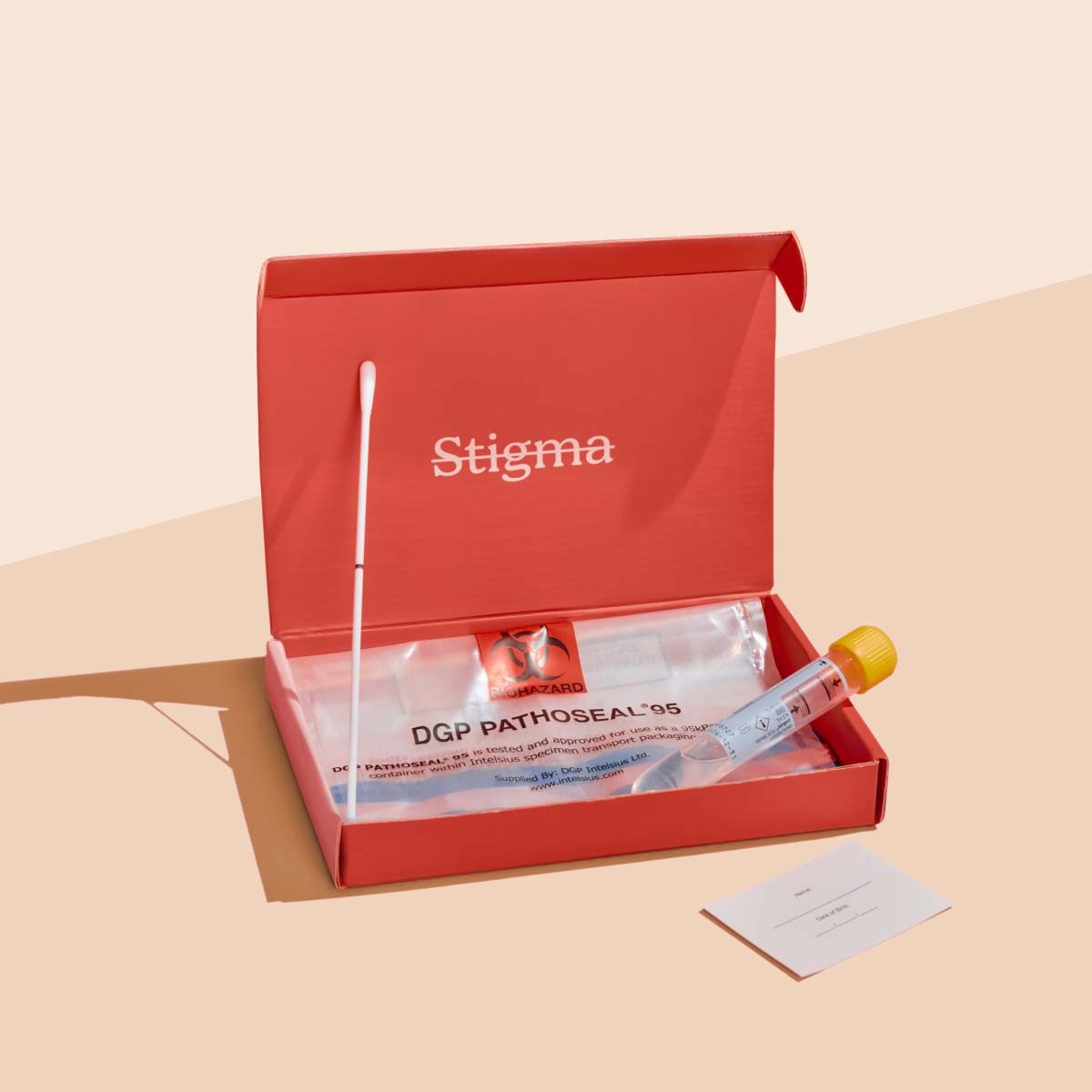
Herpes (HSV) Test
$169
At-home HSV-1 and HSV-2 testing, made simple—swab, ship, and treat. Consult and treatment included if necessary.

Valacyclovir & Acyclovir For HSV-2
Starting at $10/ month
Prescription antiviral pills used to prevent & treat outbreaks