Yeast Infection on Skin:
Symptoms, Causes, and Treatment
Published on June 25, 2026
Written by Kathleen Morrison
Medically Reviewed by Andrea Sleeth WHNP-BC, MSCP, a healthcare provider affiliated with Wisp
Key takeaways
- Yeast infection on the skin, also called cutaneous candidiasis, is caused by Candida, a yeast that naturally lives on the skin.
- Yeast infection on the skin can show up on the vulva, vaginal opening, groin, under the breasts, armpits, between the toes, and around the nails, each with overlapping but distinct symptoms.
- A red rash, itching, burning, and satellite lesions are common signs of candidiasis; on vaginal skin, symptoms may also include thick discharge, swelling, and soreness.
- Similar-looking conditions, such as contact dermatitis, bacterial skin infection, and psoriasis, can mimic candidiasis, so an accurate diagnosis matters before starting treatment.
- OTC antifungal creams are a common first step for mild skin infections; prescription fluconazole may be considered when a provider determines it's medically appropriate.
You're going about your day when you notice it: an angry, itchy rash setting up camp somewhere warm and inconvenient.
Could be under the breasts. Could be in the groin. Could be—yep—around the vaginal area.
Here's the thing: a skin yeast infection is incredibly common, nothing to be embarrassed about, and very much addressable.
Whether you're dealing with a rash on vaginal skin or somewhere else entirely, knowing what you're looking at is the first step toward getting some actual prescription yeast antifungals or the right OTC option and getting on with your life.
Wisp treatment options are available only after consultation with a licensed medical professional, if medically appropriate. You should consult with your healthcare provider before starting a new supplement or treatment regimen. Individual results may vary. Must be 18 or older. For medication details and risks, see site for details.
Understanding yeast infection on skin: Cutaneous candidiasis
Cutaneous candidiasis is the medical term for a yeast infection on the skin. Candidiasis is a fungal infection that occurs when Candida, a type of yeast that naturally lives on the skin and inside the body, overgrows beyond what your body can keep in check.
Oral thrush (affecting the mouth and throat), vaginal yeast infections, and diaper rash are all candidiasis infections. Same fungus, different location.
What causes yeast overgrowth on skin folds?
A few things that may tip the balance and cause yeast to grow faster than your body can manage include:
- Moisture and heat: Sweat and damp clothing create the environment the fungus needs—infection can occur quickly in these conditions.
- Antibiotic use: Antibiotics wipe out the bacteria that ordinarily keep Candida in check, allowing yeast to overgrow.
- Health conditions: Elevated blood sugar in diabetes feeds yeast growth. A weakened immune system—from illness, medications, or conditions like HIV infection—may also make Candida harder to control. People with weakened immune systems are especially prone to recurring or widespread candidiasis.
- Hormonal changes: Pregnancy, postpartum, and immune changes can also increase the frequency of infections.
Wisp does not provide yeast infection treatment during pregnancy. If you’re pregnant or think you might be, an in-person health care provider or OB-GYN is the best next step.
Where on the body can a skin yeast infection show up?
Candida thrives wherever skin meets skin and moisture lingers. That makes certain areas of the body more prone to infection than others.
The infection can show up:
- In skin folds under the breasts
- In the armpits
- Between the fingers and toes
- Around the nail folds or cuticles (with swelling around the nail area)
- On the tongue or in the throat (oral thrush)
- On the trunk in people with weakened immune systems
- On and around vaginal skin, including the vulva, vaginal opening, groin (skin folds between the inner thigh and the genitals), and perineum (the area between the vaginal opening and anus).
Symptoms of candidiasis on the skin
Here's what a yeast infection rash looks like:
- Bright red or deep pink patches with a shiny or "glazed" appearance
- Itching and burning, especially when the affected area is warm or rubbed by clothing
- Satellite lesions, such as small bumps or pustules, at the outer edges of the rash
- Cracked skin, sores, or weepy, raw patches in more severe cases
- White, curd-like buildup in skin folds (similar to thrush)
Symptoms of a yeast infection on the vaginal skin
On vaginal skin, symptoms of candidiasis can include or overlap with signs of a vaginal yeast infection, and the two often occur together.
A yeast infection groin rash tends to involve intense itching and burning in the vulvar area, redness of the labia, and swelling of the vaginal opening.
Additional symptoms that signal Candida involvement on vaginal skin specifically include:
- Thick, white, cottage cheese–like vaginal discharge (odorless)
- Soreness or rawness of the vulva and vaginal opening
- Pain or discomfort during urination as urine passes over inflamed skin
- Discomfort during sex due to vulvar swelling and skin sensitivity
- Redness extending from the vaginal opening into the groin fold
If you're noticing any combination of these symptoms, they're worth taking seriously and getting a proper diagnosis.
Treatment options for skin yeast infections
Look, nobody wakes up excited to research antifungal options. But the good news is that once you know what you're dealing with (and which prescription treatment fits your situation), getting on the other side of this is very doable.
Over-the-counter antifungal options
For mild yeast infections on the skin or vaginal skin, OTC antifungal creams and suppositories are a commonly used starting point. Two ingredients you'll see most often at the pharmacy:
Miconazole
Miconazole vaginal is an OTC antifungal available as a cream or suppository, used for vaginal candida (yeast) infections. It comes in 1-day, 3-day, and 7-day formulations; the course length doesn't reflect how bad your infection is; it's just different dosing formats.
Common side effects of miconazole may include:
- Itching
- Peeling, or dry skin
- Skin irritation around the vagina
This is not a complete list of side effects, and others may occur. If symptoms worsen or you notice signs of an allergic reaction, contact a provider right away.
Clotrimazole
Clotrimazole is another OTC antifungal available as a cream, used for vaginal yeast infections and for external skin use. Like miconazole, it comes in multi-day formulations and should be used for the full course even if symptoms start to improve earlier.
Less serious side effects of clotrimazole may include mild burning, itching, or irritation. When applied vaginally, you may notice a slight increase in vaginal discomfort. However, serious side effects that require immediate medical attention include:
- Blistering or peeling
- Swelling
- Oozing and hives
- Severe burning, itching, or other irritation
This is not a complete list of side effects, and others may occur. If symptoms worsen or you notice signs of an allergic reaction, contact a provider right away.
If this is your first time experiencing yeast infection symptoms, it's worth connecting with a provider before starting treatment, since other conditions can look similar to a yeast infection.
For Candida-related vaginal skin symptoms, a yeast itch cream may be worth discussing with a provider.
Prescription treatment: fluconazole for vaginal yeast infections
Prescription fluconazole is an oral antifungal that works systemically, traveling through the bloodstream to address both the internal and external components of a yeast infection.
A provider can review your symptoms through a patient intake form and, when a consultation is needed, connect with you to determine whether fluconazole is appropriate for your situation.
For more persistent or recurring vaginal yeast infections, a provider may discuss a longer treatment plan, which may include potential side effects and considerations to ensure the approach is appropriate for your individual health needs.
Fluconazole is not recommended during pregnancy.
Supporting skin health when recovering from cutaneous candidiasis
Drying the skin thoroughly after bathing, especially in skin folds, is one of the simplest habits worth building.
A few other habits to support overall skin health include:
- Wear breathable fabrics like cotton; change out of damp workout clothes promptly
- Consider a moisture-absorbing powder for high-friction areas
- Skip heavily fragranced soaps and washes that can disrupt the natural bacteria and yeast balance on the skin
- If you have diabetes, working with a provider to maintain blood sugar levels may help manage recurring Candida infections
When should a skin yeast infection be evaluated by a provider?
See a provider if OTC antifungal products haven't improved the infection after two weeks, the rash is spreading or getting worse, you have a fever, or you have a weakened immune system or diabetes and notice a new rash.
Recurring infections in the same spot are also worth getting evaluated. There may be an underlying factor contributing to flare-ups, or a different treatment plan may be needed.
Is it really a yeast infection? What else could it be?
Not every rash in a skin fold is candidiasis, and an accurate diagnosis of candidiasis means getting the right treatment.
- Contact dermatitis is a skin reaction to an irritant (soap, laundry detergent, fabric) and typically lacks the satellite lesions of a candida infection.
- Bacterial skin infection may look red and swollen in skin folds, spread more quickly, feel hot to the touch, and require antibiotics, not antifungals.
- Inverse psoriasis produces red, shiny patches in the same locations but is an autoimmune condition and won't respond to antifungal medicine.
Get judgment-free care, from wherever you are
A yeast infection on the skin is incredibly common and very much addressable. For mild cases, using an OTC antifungal cream is often a reasonable starting point.
When symptoms include systemic symptoms or a vaginal yeast infection, prescription options like fluconazole may be appropriate, and a provider can help you determine whether that's the right fit.
If you're dealing with symptoms of a vaginal yeast infection and prefer the convenience of online care, Wisp has your back. Here, licensed providers can evaluate your symptoms and, when medically appropriate, prescribe treatment for vaginal yeast infections.
Discreet, judgment-free, and on your schedule!
If you experience any adverse effects or have concerns about your treatment, please contact your healthcare provider immediately. You can also report side effects to the FDA at 1-800-FDA-1088 or www.fda.gov/medwatch.
This blog post is for informational and educational purposes only and should not be taken as professional advice. Always consult with a qualified professional before making any decisions based on the information provided here.
Trusted Treatments

Diflucan, Generic Fluconazole (Yeast Antifungals)
Starting at $45
Prescription antifungals used to treat vaginal yeast infections
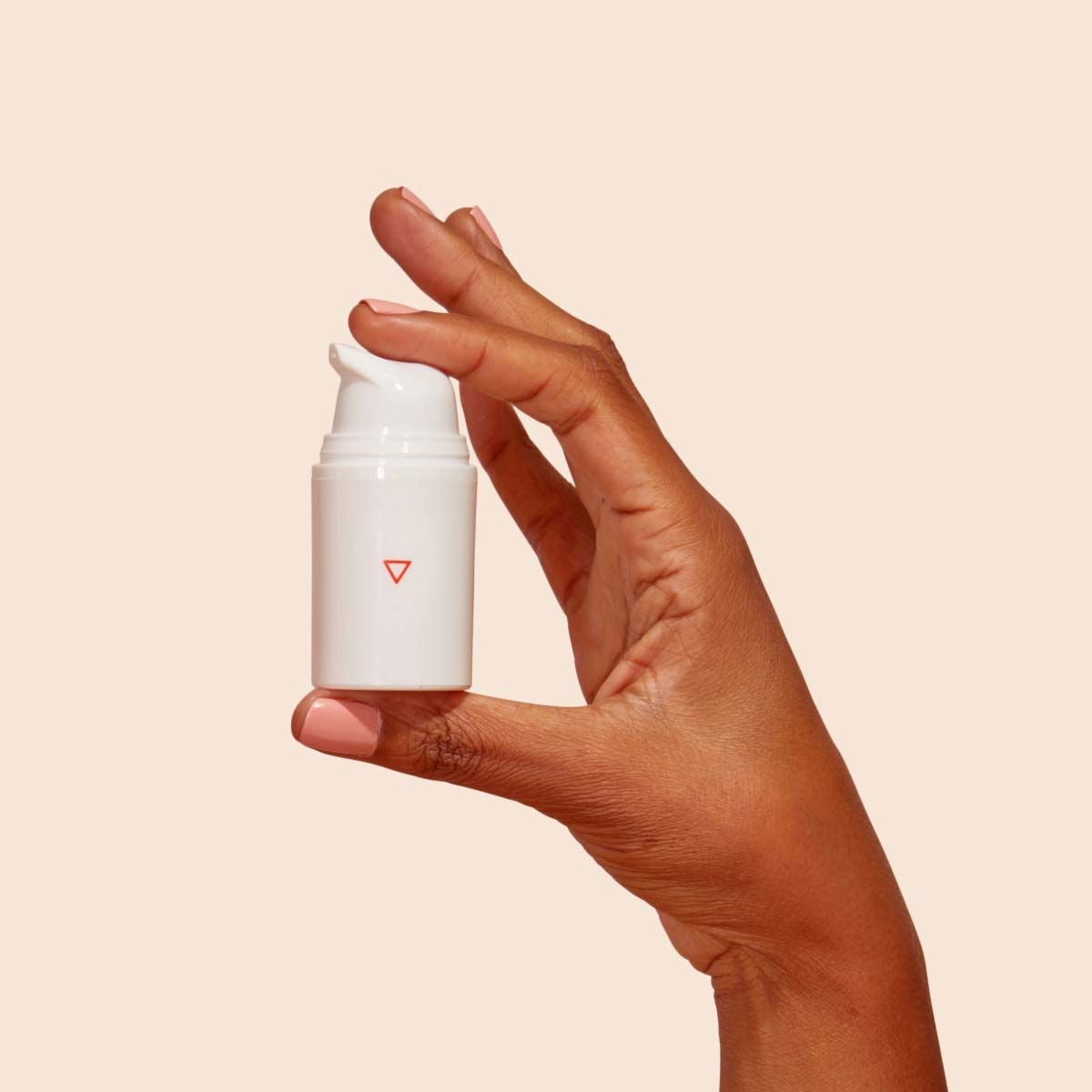
Calm Down! Instant Itch Relief for BV & Yeast
$36
Prescription cream used to relieve uncomfortable symptoms of BV and Yeast.