Yeast Infection vs Herpes:
What’s the Difference?
Published on January 21, 2026
Written by Kathleen Morrison
Medically Reviewed by Andrea Sleeth WHNP-BC, MSCP
Key takeaways:
- Yeast infections are caused by Candida overgrowth (fungal), while genital herpes is a viral infection—treatments are very different.
- Yeast infections usually bring thick, white, cottage cheese-like discharge and intense itching; herpes shows up as painful, fluid-filled blisters with burning and tingling.
- Timing and pain type matter: yeast discomfort builds gradually, while herpes often starts with sharp nerve pain and clustered sores.
- Proper testing is the only way to be sure—online consultations make it easy to get evaluated and treated discreetly.
- Early treatment helps you heal faster, manage symptoms, and prevent spreading herpes; yeast infections usually resolve quickly with antifungals when treated properly.
Not every vaginal symptom is a big, scary diagnosis—but some do deserve a closer look.
Yeast infections and herpes are often confused, even though they’re super different situations with very different fixes. Because they can share some overlapping symptoms, it’s totally understandable to feel unsure about what’s going on.
A yeast infection is caused by an overgrowth of Candida, a fungus that naturally lives in your body. Herpes, on the other hand, is a viral infection. That difference matters, because it means the treatments aren’t interchangeable. Antifungals clear yeast infections, while herpes is managed with antiviral medication.
When symptoms don’t feel familiar, stick around longer than expected, or just leave you guessing, getting tested is the fastest way to clarity, and it's easy when you can do it from home.
A quick breakdown of Yeast Infections vs. Herpes
Both yeast infections and herpes affect the genital area, but they show up differently and need different treatments. Here’s a simple way to spot the differences:
Early signs:
- Yeast infection: Intense itching, thick white discharge, vulvar redness
- Herpes: Tingling sensation, small fluid-filled blisters, burning pain
Primary symptoms:
- Yeast infection: Cottage cheese-like discharge, vaginal itching, burning during urination
- Herpes: Painful blisters that break and scab, clear fluid discharge, swollen lymph nodes
Pain level:
- Yeast infection: More itching than pain
- Herpes: Significant pain, especially during the first outbreak
Appearance:
- Yeast infection: Patchy redness with some bumps, sometimes with small satellite lesions
- Herpes: Small, clustered blisters that rupture and form painful sores
Treatment:
- Yeast infection: Antifungal medications like fluconazole
- Herpes: Antiviral medications such as valacyclovir or acyclovir
Duration:
- Yeast infection: Usually clears in 3–7 days with treatment
- Herpes: Outbreaks last 2–3 weeks, but the virus stays dormant in the body
Contagiousness:
- Yeast infection: Not sexually transmitted
- Herpes: Highly contagious, especially during outbreaks
What is Genital Herpes?
Genital herpes is way more common than most people realize, yet it’s still surrounded by confusion, stigma, and a lot of unnecessary stress.
Knowing what it actually is—and how it shows up in real life—can help you feel more grounded, informed, and in control of what’s happening in your body.
What is the herpes simplex virus?
Genital herpes is caused by the herpes simplex virus, which comes in two types: HSV-1 and HSV-2.
- HSV-1 is often linked to oral cold sores, but it can be passed to the genitals through oral sex.
- HSV-2 more commonly affects the genital area, though either type can show up in either place.
Once the virus enters your body, it stays there quietly in nerve cells. Most of the time, it’s inactive and doesn’t cause symptoms. When it does become active, you might notice:
- Tingling
- Itching
- A burning feeling
- Small fluid-filled blisters (which then open and heal over the course of a couple weeks)
Some people also feel run-down during their first outbreak, with symptoms like fever, body aches, or swollen lymph nodes in the groin. Others never notice symptoms at all (super helpful, thanks).
How Genital Herpes Spreads
Herpes spreads through close skin-to-skin contact during vaginal, anal, or oral sex.
It’s easiest to pass when sores are present, but it can also spread when the skin looks totally normal. That’s because the virus can be active on the skin without obvious signs, which is why so many people don’t realize they have it.
Barrier methods like condoms can lower the chances of passing herpes, but they don’t fully cover all the areas where the virus can live. That’s why honest conversations, regular testing, and knowing your status matter so much.
How to treat Genital Herpes
There’s no cure for herpes, but the good news is you can manage it really well. Treatment focuses on helping outbreaks heal faster, easing symptoms, and lowering the chances of passing it on.
Prescription antiviral medications like acyclovir, valacyclovir, and famciclovir are the main go-tos. They can be taken in two ways:
- Episodic treatment – you take medicine at the start of an outbreak to help it clear up faster and feel less intense.
- Suppressive treatment – you take medicine daily to reduce the frequency of outbreaks and lower the chance of transmitting herpes to a partner.
Alongside medication, simple self-care helps a lot. Keeping the area clean and dry, wearing breathable underwear, and avoiding irritants like scented soaps can make symptoms more manageable. Over-the-counter pain relievers or topical creams can also ease discomfort during flare-ups.
What is a Vaginal Yeast Infection?
Yeast infections are also super common, and chances are, you or someone you know has dealt with one at some point (maybe even multiple points).
They can be uncomfortable, annoying, and mess with your day-to-day life or intimacy. As with anything, knowing what signs to look for helps.
What causes Yeast Infections?
A yeast infection happens when Candida albicans—the yeast that naturally lives in your vagina—starts to multiply too much. Normally, your vagina has a balanced mix of yeast and bacteria that keep each other in check, but certain things can tip the scales.
Taking antibiotics is a classic culprit since they wipe out the good bacteria that normally keep yeast in check. Hormonal shifts from pregnancy, your period, or birth control can also make yeast more likely to overgrow.
Other everyday factors can contribute too. High blood sugar from uncontrolled diabetes can feed yeast. Stress, lack of sleep, and a temporarily weakened immune system can make it easier for an infection to take hold. Clothing choices matter too—tight, non-breathable fabrics or hanging out in wet swimsuits or gym clothes create a cozy environment for yeast to thrive.
Common Symptoms of a Yeast Infection
Yeast infections usually show up as intense itching, often worse at night, and thick, white discharge that looks a bit like cottage cheese. It usually doesn’t have a strong smell, which is a helpful clue that it’s yeast rather than a bacterial infection. You might also notice redness, swelling, and sensitivity in the vaginal area, plus a burning feeling during urination or sex.
Some common signs include:
- Intense vaginal itching, often worse at night
- Thick, white, cottage cheese-like discharge
- Redness, swelling, and sensitivity around the vulva
- Burning sensation during urination or sex
- Small cuts or fissures from scratching
- Flat, red rash with possible smaller “satellite” spots nearby
Unlike herpes, yeast infections typically don’t cause blisters or open sores, but can be possible. Scratching can cause tiny cuts, but these are very different from fluid-filled herpes blisters.
How to treat vaginal yeast infections
The good news? Yeast infections are usually pretty easy to handle once you know what’s going on. Treatment focuses on calming the overgrowth of Candida and soothing your irritated skin.
Over-the-counter options: Most people start with antifungal creams, ointments, or suppositories you can get at the pharmacy without a prescription. Medications like miconazole or clotrimazole usually come in 1-, 3-, or 7-day treatment options. Longer courses or combination internal and external treatments can be helpful for more intense infections or if you’ve got small cuts from scratching.
Prescription options: If your infection is stubborn or recurring, a healthcare provider might recommend prescription-strength antifungals, like fluconazole, which you take as a single oral dose. Online consults make it easy to get evaluated and prescribed without an in-person visit, with options for discreet home delivery.
Wisp treatment options are available only after consultation with a licensed medical professional. You should consult with your healthcare provider before starting a new supplement or treatment regimen. Individual results may vary.
The biggest differences between Herpes and Yeast Infections
Knowing how to tell herpes and yeast infections apart helps you get the right care faster and worry less. While both affect the genital area and share some symptoms, a few key differences make it easier to figure out what’s going on.
The symptoms
The timeline and type of discomfort are major clues:
- Yeast infections usually creep in gradually. You might notice mild irritation at first that grows into intense itching and general soreness. The irritation stays fairly consistent but can feel worse at night or around your period.
- Genital herpes often starts with tingling, burning, or shooting pains 12-24 hours before you see any blisters. Then small, painful blisters appear in clusters, sometimes with swollen lymph nodes or fever during the first outbreak. Blisters rupture and form sores that heal over 2-3 weeks.
The discharge
The discharge can tell you a lot:
- Yeast infection discharge is thick, white, and clumpy—like cottage cheese—and usually doesn’t have a strong odor. It tends to stick around in folds and stays consistent until the infection clears.
- Herpes discharge comes from ruptured blisters and is usually clear or slightly cloudy. Some people notice watery vaginal discharge during an outbreak, but it never has that thick, clumpy look of yeast.
How to tell what you might have
Other factors can help you figure it out:
- Location: Yeast infections stick to the vaginal canal and vulva with general redness and swelling. Herpes sores can appear anywhere in the genital area, including the labia, vaginal opening, cervix, anus, buttocks, or inner thighs.
- Pain type: Yeast infections cause burning or rawness, especially when peeing. Herpes brings sharp, shooting nerve pain and extreme tenderness around sores.
- Response to treatment: Yeast infections usually get better within a day or two on antifungal meds, clearing up completely in a few more days. Herpes doesn’t respond to antifungals at all.
Blisters, bumps, and what's in between
Getting the hang of whether it’s a yeast infection or herpes can save you a lot of stress—and get you the right treatment faster. While both can cause discomfort in your vaginal area, they show up differently and need totally different care.
Yeast infections are all about candida overgrowth, usually bringing on that thick, white discharge and intense itching. Herpes comes from the herpes simplex virus, showing up as painful blisters that rupture into sores. Yeast infections can be cleared up with antifungals, and herpes is managed with antivirals to keep outbreaks under control.
The best way to skip the guessing game? Get a proper diagnosis. Wisp makes it easy to test and get treatment from home without awkward doctor visits. You can do a quick symptom evaluation, chat with a licensed provider, and get prescriptions for same-day pharmacy pickup* or discreet delivery.
Find out what’s going on and get treatment from home with Wisp’s fast, confidential testing and prescriptions.
*Most prescriptions are sent to your pharmacy within 3 hours of completing your medical intake form and phone call or video chat when necessary. Pending retail pharmacy hours.
This blog post is for informational and educational purposes only and should not be taken as professional advice. Always consult with a qualified professional before making any decisions based on the information provided here.
Trusted Treatments
Diflucan, Generic Fluconazole (Yeast Antifungals)
Starting at $45
Prescription antifungals used to treat vaginal yeast infections
Genital Herpes | Outbreak & Preventative Treatment for HSV-1 & HSV-2
Starting at $10/ month
Prescription antivirals for genital herpes outbreaks and prevention.
Valacyclovir & Acyclovir For HSV-2
Starting at $10/ month
Prescription antiviral pills used to prevent & treat outbreaks
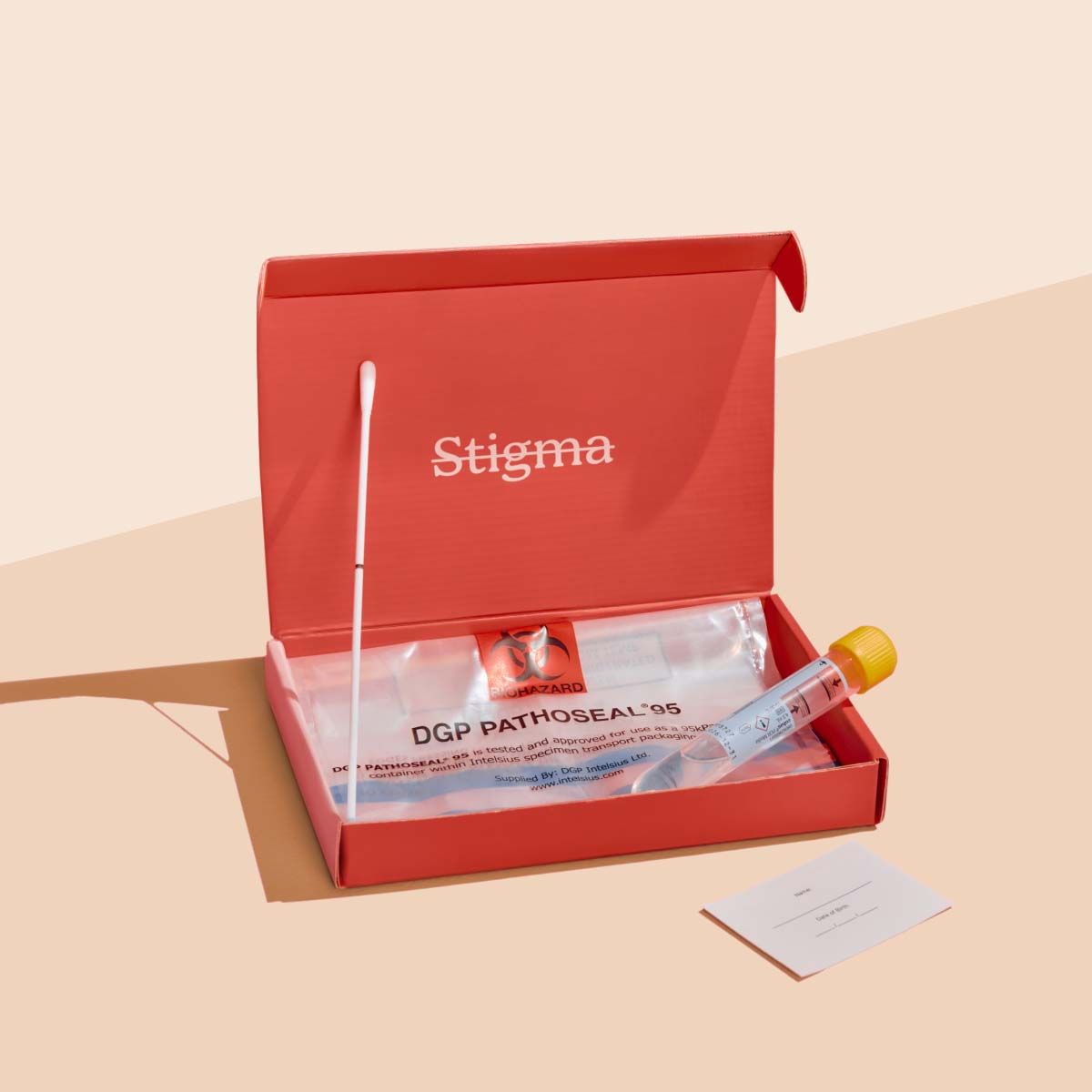
Herpes (HSV) Test
$169
At-home HSV-1 and HSV-2 testing, made simple—swab, ship, and treat. Consult and treatment included if necessary.