How to Have Sex with Herpes
Published on October 19, 2021
Updated on November 3, 2026
Written by Kathleen Morrison
Medically Reviewed by Dr. Shannon Chatham, DO, a healthcare provider affiliated with Wisp
Key takeaways:
- You can still have sex with a herpes diagnosis, and many people with herpes go on to have fulfilling sex lives and relationships.
- ACOG guidelines recommend avoiding sex from the first warning signs of an outbreak until a few days after sores have fully healed.
- Herpes can spread even when there are no symptoms present, so barrier methods and safer sex practices still matter between outbreaks.
- Condoms and dental dams can help manage the likelihood of herpes transmission, though they can’t remove it completely.
- A provider can talk you through prescription options, including suppressive antivirals, if medically necessary and appropriate.
Yes, you can still have sex with herpes. Even if you’ve been diagnosed with herpes, you don’t have to trade your hookups for a lifetime of Netflix and no chill. Knowledge is power.
A herpes diagnosis doesn’t have to end your sex life, and there are steps that can help manage the risk of passing the virus to a partner while you continue to have a fulfilling sex life.
Below, we’re covering how to manage your sex life with a herpes diagnosis: when to take a break, prescription herpes treatment to discuss with your provider, how condoms and oral sex fit in, and what happens when you both have herpes.
Wisp treatment options are available only after consultation with a licensed medical professional, if medically appropriate. You should consult with your healthcare provider before starting a new supplement or treatment regimen. Individual results may vary. Must be 18 or older. For medication details and risks, see site for details.
Can you still have sex with herpes?
You can absolutely have sex after a herpes diagnosis, and having sex with someone who has herpes is on the table, too.
Herpes is not a sentence of celibacy, and plenty of people continue to lead full sex lives after a herpes diagnosis.
There are two main steps worth knowing about, whether you have herpes or your partner does:
Talk to a provider about prescription antivirals
A provider may prescribe an antiviral to help manage outbreaks if medically necessary and appropriate.
Valacyclovir is also FDA-approved for helping manage the risk of transmission of genital herpes in adults with healthy immune systems when taken daily as suppressive therapy, along with safer sex practices.
Like any medication, it can come with side effects.
Commonly reported side effects of Valacyclovir can include:
- Headache
- Nausea
- Stomach pain
This is not a complete list of risks and side effects, and others may occur. If symptoms worsen or you notice signs of an allergic reaction, contact a provider right away.
You are encouraged to report negative side effects of prescription drugs to the FDA. Visit www.fda.gov/medwatch or call 1-800-FDA-1088.
Use barrier methods
Using barrier methods like condoms and dental dams can help manage the risk of herpes transmission during sex.
A dental dam is a thin piece of latex or polyurethane that you stretch over the vulva or anus during oral sex. The materials used for a dental dam are the same ones used for condoms, so they are thin enough that they may not take away from the sexual experience.
In fact, you can even DIY a dental dam using a condom made of latex or polyurethane.
No single step removes the risk completely, which is why some people choose to use both together as part of a healthy sex life.
Teamwork makes the dream work, right?
Can you have sex during an active herpes outbreak?
An active outbreak of herpes is your cue to hit pause.
Clinical guidelines recommend that you avoid sex from the moment you feel an outbreak coming (think burning, itching, or tingling, the classic warning signs of an outbreak) until a few days after every herpes sore has fully healed.
That goes for your first outbreak (also called the initial outbreak) and any that come after. You don’t have to abstain from sex forever, just until your skin has healed.
Even between outbreaks, condoms and dental dams are still recommended, since herpes can spread without symptoms.
Wondering when it’s okay to get back in the sack once your skin heals and scabs fall off? A provider can advise you on safe sex practices.
Can you have unprotected sex with herpes?
Technically, yes, but unprotected sex with herpes (vaginal sex, anal sex, or oral sex without a barrier) is a choice worth making with your eyes wide open. Herpes can spread through direct contact with another person’s mouth or genitals.
Plus, it can spread even without symptoms, which is why condoms and dental dams may help manage the risk, even between outbreaks.
Note: Herpes sores can show up on areas of your body that condoms don’t cover (like the scrotum, butt cheeks, upper thighs, and labia), so barrier methods can’t remove the risk completely, but they can still help manage the risk of transmission of the virus.
So what about ditching condoms altogether? Some long-term couples in a committed sexual relationship decide together whether to keep using condoms, depending on what feels right for them.
Going without doesn’t remove the chance of passing the infection to your partner, so there’s no one-size-fits-all answer here.
You can also talk to a provider about daily suppressive therapy, which is used to help manage recurring outbreaks, if medically appropriate.
Can you have oral sex with herpes?
Yes, but oral sex isn’t a risk-free zone when it comes to herpes. Clinical guidelines recommend avoiding oral sex while there are cold sores or genital sores, since skin-to-skin contact with sores can pass the virus along.
If you are in a relationship where one partner has HSV-2 and the other does not, taking suppressive antiviral medication might be something worth exploring with a provider.
Another way to help manage the risk that your partner will contract the virus is by using a dental dam as a barrier during oral sex.
Can two people with herpes have sex?
Yes, and plenty of couples where both partners have herpes have sex and relationships.
The catch? You may not have the same type. One of you might have HSV-1 and the other HSV-2, and having one type doesn’t mean you aren’t susceptible to herpes of the other type.
That’s why it can help to talk to a provider about whether blood-based herpes testing (some at-home STI test panels include it) makes sense for you both. In the meantime, keep using condoms or dental dams.
Think of it as teamwork, not a red flag.
Insufficient sample collection may result in a false negative or inconclusive results. At-home screening kits do not replace in-person care. Our testing kits are to help you gain a better perspective on your health and how your body functions. You may use this information to make more informed health care decisions and choices. Patients should follow their provider's recommended screening schedule based on their personal health history for appropriate follow-up and comprehensive care.
How can I help lower the chances of giving someone herpes?
Both partners have their own roles to play when it comes to helping manage the risk of herpes transmission.
Beyond managing symptoms with medication and continuing to use barrier methods with partners, there are a few more things you should be mindful of when considering herpes transmission:
- Learn how to tell when an outbreak is coming, and stop having sex right when you notice these signs. You may feel a burning, itching, or tingling feeling that can be a sign that sores may be on the way.
- If you have a cold sore on your mouth, skip kissing anyone until it heals, and be especially careful around babies.
- Always tell your sexual partners that you have herpes before you have sex, so you can work together to help manage the risk of spreading it and build a foundation of trust.
Telling someone you have an STD can be hard, but herpes is super common, despite the stigma surrounding it. A little prep can help you walk into the conversation about herpes feeling ready.
Living a full sex life with herpes
Having herpes doesn’t mean living a life of celibacy. You’re still a complete person who’s allowed to live a full life. You’ve got this.
You can also reach out on social media for community (and give @hellowisp a follow while you’re at it)! Lots of herpes activists are taking steps to #BreakTheStigma by talking about their diagnoses, their experiences, and how they handle difficult conversations with their partners. One thing they aren’t doing? Giving up on their sex lives!
When you want backup for your sexual health, Wisp can connect you with a provider online to talk through various treatment options, including prescription antivirals for herpes, if medically necessary and appropriate; no in-person waiting room required.
So yes, you can still have sex with herpes, and you get to enjoy it on your terms.
This blog post is for informational and educational purposes only and should not be taken as professional advice. Always consult with a qualified professional before making any decisions based on the information provided here.
Herpes Treatments
Valacyclovir & Acyclovir For HSV-2
Starting at $10/ month
Prescription antiviral pills used to prevent & treat outbreaks

First Herpes Outbreak Consult | Valacyclovir & Acyclovir
$65
Prescription antivirals for a first-time herpes outbreak
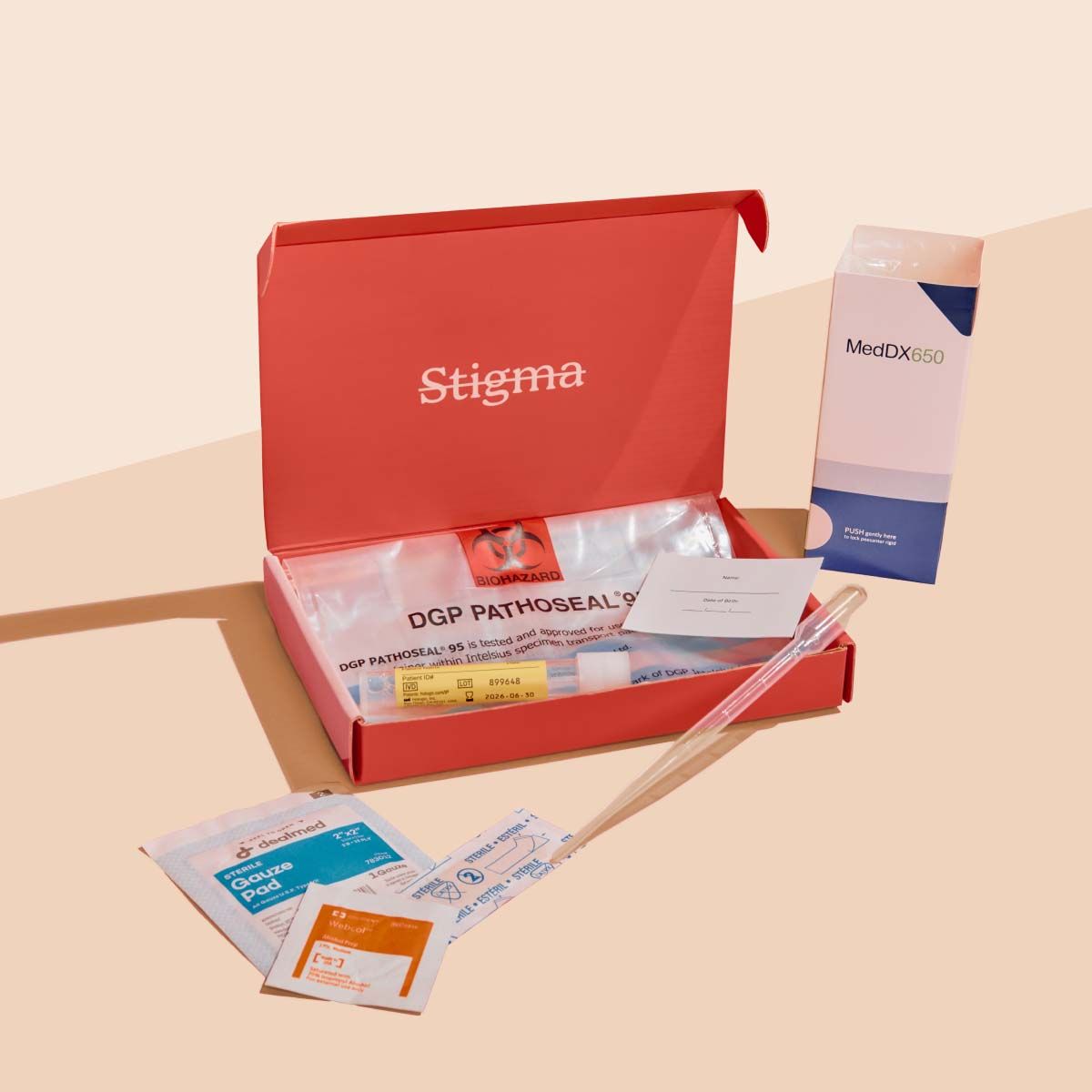
9-Panel STI Test
$249
The comprehensive at-home testing kit that covers 9 sexually transmitted infections, including herpes.