Ask A Doctor: Bacterial
Vaginosis Treatment
Published on April 19, 2021
Updated on June 18, 2026
Key Takeaways:
- Avoid sex while taking Metronidazole for BV; this applies to both oral tablets and vaginal gel.
- Wait at least 7 days after completing Metronidazole AND until all symptoms resolve before resuming sexual activity.
- Don't drink alcohol while taking Oral Metronidazole, and for at least 3 days after the last dose.
- Metronidazole and Clindamycin are both prescription antibiotic options for BV, with distinct side effect profiles.
- If symptoms persist after completing a full course, follow up with a healthcare provider.
You’ve got questions, we’ve got answers. In this edition of Ask A Doctor, Dr. Laura Purdy, M.D. is answering your frequently asked questions about Bacterial Vaginosis Treatment.
In the United States, bacterial vaginosis, or "BV," is the most common vaginal condition. If you've experienced the telltale symptoms of BV—unusual vaginal odor, itching, pain, or thin white or grey discharge—you probably want answers!
At Wisp, our doctors answer common questions about BV treatment every day during online consultations.
Wisp treatment options are available only after consultation with a licensed medical professional, if medically appropriate. You should consult with your healthcare provider before starting a new supplement or treatment regimen. Individual results may vary. Must be 18 or older.
Q: Can I have sex while taking Metronidazole for BV?
The short answer is no, it’s not recommended.
Sex can disrupt your vaginal pH, introduce new bacteria, and delay healing—all of which can make BV symptoms worse. For some people, sexual activity is also a common trigger for BV and recurrent infections.
Whether you're taking Oral Metronidazole or using Metronidazole Gel, it's best to avoid sex until you've completed treatment and your symptoms have cleared. Even though the gel is applied locally, it still needs uninterrupted time to work.
Having sex during treatment may prolong symptoms, increase irritation, and raise the risk of recurrence. Even sex with a condom isn't ideal, since friction and contact can still irritate healing tissue.
If BV frequently returns after sex, talk with your healthcare provider about possible contributing factors. Wisp also offers support options for male partners as part of a comprehensive approach to managing recurrent BV in female patients.
Q: How long to wait for sex after BV treatment?
You’ll want to wait at least 7 days after finishing your full course of Metronidazole treatment AND until your symptoms are completely gone before getting back to sexual activity.
This waiting window helps provide the medication time to work and allows your vaginal flora to rebalance and repopulate with good bacteria.
If symptoms like unusual discharge or odor persist beyond 7 days after completing treatment, hold off on sex and message a Wisp provider for follow-up healthcare.
And if you’re also using boric acid suppositories as part of your vaginal health routine, abstain from penetrative sex and oral sex for a few days after taking them; boric acid can irritate a partner’s skin and is toxic if ingested.
Q: How long should I wait to have sex after using boric acid suppositories?
If you're using boric acid suppositories as part of your vaginal wellness routine alongside prescription treatment, it's best to avoid penetrative sex and oral sex for a few days after use. Boric acid can irritate a partner's skin and is toxic if ingested.
Follow the instructions provided with your product, and wait until any irritation or discomfort has resolved before resuming sexual activity.
Q: Can I masturbate with BV?
While you can masturbate if you have bacterial vaginosis (BV), it may not be the best idea while you're experiencing symptoms or actively treating the infection. Just like sex, masturbation can sometimes cause additional irritation and may make symptoms feel worse.
If you choose to masturbate, be sure to wash your hands and clean or sanitize any toys before and after use. Using unclean toys may reintroduce bacteria and potentially contribute to recurring symptoms.
It's also a good idea to avoid masturbating in the bath, as this may lead to further irritation. Most importantly, listen to your body; if anything feels uncomfortable, take a break and give yourself time to heal before trying again.
Q: Does my partner need to be treated as well?
Not usually! BV isn't technically an STI, and men can't actually get BV because they don't have a vaginal microbiome.
But, even though male partners can't have BV, bacteria linked to BV can sometimes be present on the penis and may get reintroduced during sex. For some people, this can contribute to that "Ugh, not again" cycle of recurring BV.
So, if your BV keeps making unwanted encore appearances, partner support may be worth considering. Wisp offers a BV male support treatment as part of a more comprehensive approach to managing recurrent BV in women.
The bottom line is most partners don't need treatment, but if BV keeps coming back after sex, it may be worth looking at the bigger picture, not just your symptoms, but your partner's role, too.
Q: Does taking antibiotics affect birth control?
While only a few very powerful forms of antibiotics are proven to interfere with the effectiveness of hormonal birth control, it is best to take extra precautions when undergoing antibiotic treatment of any kind.
Q: Can I take the oral BV medication if pregnant or breastfeeding?
It’s best to stick to vaginal topical treatments if you’re pregnant or breastfeeding. Wisp offers a gel and cream version of our BV antibiotics that may be a better choice if you’re pregnant or breastfeeding.
*Wisp does not provide BV treatment during pregnancy. If you’re pregnant or think you might be, an in-person healthcare provider or OB-GYN is the best next step.
Q: Can I take BV medication while on my period?
Absolutely! Your menstrual period will not affect BV treatment. However, if you’re using Metronidazole gel, keep in mind that the medication may leak a bit more during your period. You may also want to use a panty liner.
If possible, consider starting treatment after your heaviest flow days have passed to help ensure optimal absorption.
And, if you've already started treatment or your provider has advised you to begin right away, continue using the medication exactly as prescribed.
Q: Can I take clindamycin if I’m allergic to penicillin or amoxicillin?
Yep! Clindamycin is a frequently recommended alternative to both of those antibiotics and is used to treat a wide range of infections. Your provider can prescribe the right medication based on your medical history and allergies.
Healthcare providers typically start with Topical Clindamycin Cream to treat bacterial vaginosis, since it’s effective and works directly at the site of infection.
In some cases, Oral Clindamycin may be prescribed off-label for BV instead, usually when a systemic antibiotic is needed based on other health factors your provider is considering.
Possible side effects of Clindamycin:
Clindamycin, whether oral or vaginal, can cause:
- Abdominal pain
- Dizziness
- Headache
- Nausea
- Vomiting
- Diarrhea
- Yeast Infection
Both Oral Clindamycin and Topical Clindamycin Cream are associated with an increased risk of Clostridioides difficile (C. diff)*, a serious intestinal infection that can sometimes require hospitalization.
The risk is higher with oral Clindamycin because it delivers the medication systemically, affecting the gut microbiome more broadly.
*Due to these safety considerations, Wisp is removing Clindamycin from its BV treatment protocol and will recommend alternative antibiotics that remain effective with a more favorable safety profile.
Q: I’m trying to get pregnant. Does BV affect conception?
Current evidence doesn’t show that bacterial vaginosis (BV) directly prevents you from getting pregnant. However, it can still play a role in your overall reproductive health in ways that are worth paying attention to.
Research suggests that BV is associated with a higher risk of miscarriage, compared to those without BV. So while BV doesn’t appear to stop conception itself, the overall imbalance in the vaginal ecosystem may impact pregnancy outcomes.
Q: Can I take metronidazole if I’m trying to get pregnant?
It’s best to seek medical advice from your in-person healthcare provider or OB-GYN. They can counsel you about the risks of any medication and tell you more about the treatment options for your situation.
Q: Is Metronidazole or Clindamycin a better BV treatment?
Both metronidazole and Clindamycin are evidence-based prescription treatment options for BV with similar success rates. Oral Metronidazole, Metronidazole Gel, and Clindamycin Cream are typically preferred first-line options. Oral Clindamycin is used more selectively due to a higher risk of side effects, including Clostridioides difficile infection, a serious gut infection.
Side effects to know:
- Oral Metronidazole: Metallic taste, nausea, or stomach upset
- Metronidazole Gel: Vaginal dryness, scaling, itching, and stinging/burning
- Clindamycin: Vaginal irritation, changes in discharge, diarrhea, or yeast infection; oral use has a higher risk of C. diff, which can require hospitalization
If you’ve had a strong preference or past experience with one, you can let your Wisp provider know so they can help guide the best option for you.
This is not a complete list of risks and side effects, and others may occur. If symptoms worsen or you notice signs of an allergic reaction, contact a provider right away.
Q: Is it ok to drink alcohol with Metronidazole?
It’s not a good idea to drink alcohol with Metronidazole. Consuming alcohol with oral Metronidazole can cause a disulfiram-like reaction, resulting in extreme nausea and vomiting. While Metronidazole Gel is less likely to absorb into the bloodstream and produce these side effects, it is still possible.
You should avoid alcohol for at least 3 days after your last dose, and it’s best to lay off the partying during your treatment. Instead, hydrate and rest up so you can get back out there once you’re fully recovered!
Q: Help! What does it mean if my pee is dark after taking Metronidazole?
Dark urine can occur with Metronidazole. It may look alarming, but it's typically harmless and usually clears up on its own after treatment. If you notice other symptoms alongside it, like stomach pain, jaundice, or fatigue, contact your provider.
Still have questions? You can always message a Wisp provider from your Patient Dashboard!
Whether you’re wondering about sex while taking metronidazole, how long to wait for sex after BV treatment, or how to manage a lubricant that’s right for your body, we’re here for all of it. You can also learn more about BV symptoms on our Blog page. Stay curious!
This blog post is for informational and educational purposes only and should not be taken as professional advice. Always consult with a qualified professional before making any decisions based on the information provided here.
Trusted Treatments

BV Antibiotics (Tablets or Gel)
Starting at $15
Request topical or oral prescription antibiotics to treat bacterial vaginosis.

Online BV Treatment for Men (Metronidazole & Clindamycin)
$99
Prescription BV partner care for patients assigned male at birth.
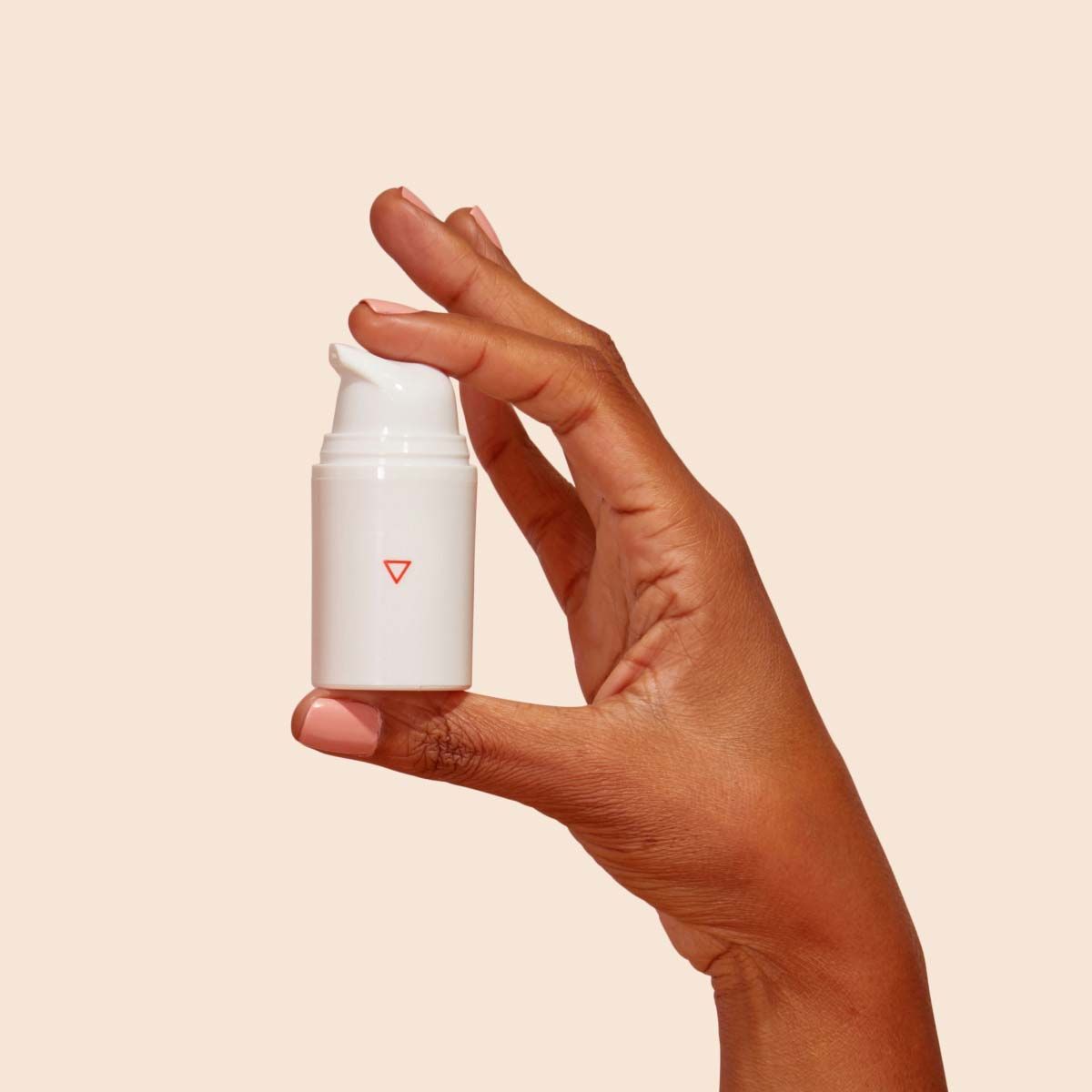
Metronidazole Gel (Metrogel)
Starting at $90
Prescription vaginal cream to treat new or chronic BV infections from home.
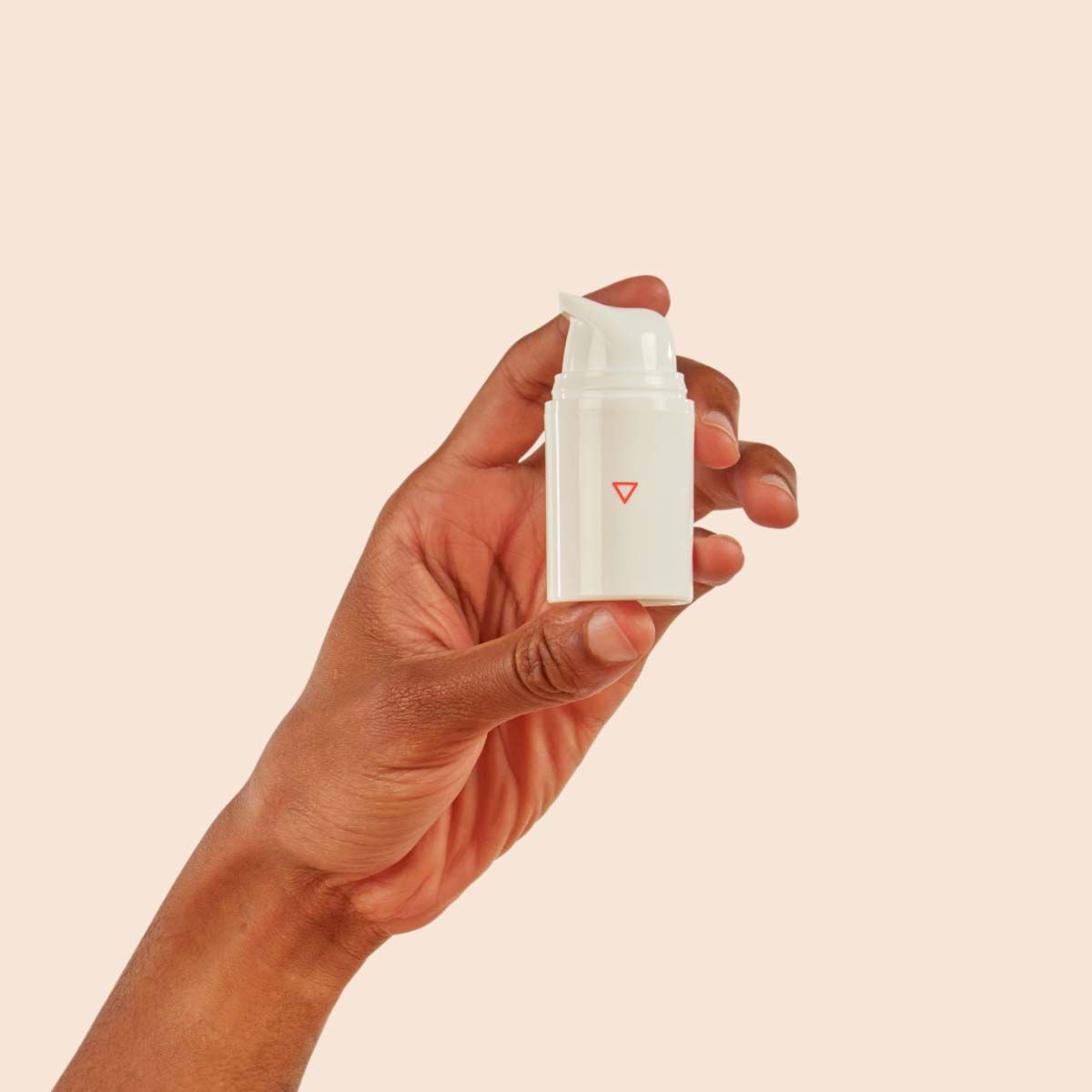
Clindamycin Cream (Cleocin)
Starting at $100
Topical Clindamycin is a trusted prescription antibiotic approved by the FDA to treat chronic and first-time BV.