Written by Kathleen Morrison
Medically Reviewed by Andrea Sleeth WHNP-BC, MSCP, a healthcare provider affiliated with Wisp
Key takeaways:
- Low libido in women is often tied to hormonal shifts, stress, sleep, and relationships.
- Estrogen and testosterone both play a significant role in sexual desire; changes at menopause can meaningfully affect your sex drive.
- Lifestyle shifts—sleep, movement, and stress management—lay the groundwork for supporting desire naturally.
- Prescription options like Sildenafil cream exist for women with low sexual desire and are worth knowing about.
- Vaginal dryness is one of the most common (and treatable) reasons sex becomes uncomfortable, and a big reason libido dips.
One day you're interested in sex, the next you're more excited about a new Netflix show. And then the weeks pass, and somehow that feeling just... doesn't come back.
Sound familiar?
Low sex drive is more common than you'd think. And if you're searching for how to help increase female libido, you're definitely not alone. You're also not broken!
Libido responds to real-life stuff. The path forward starts with figuring out what's dialing your desire down, and then actually doing something about it.
For some women, that something is a lifestyle shift. For others, it's a conversation with a provider about medical options, such as a prescription arousal cream with Sildenafil that may help increase blood flow and sensitivity.
Either way, there's more available to you than you might realize, and it's all worth knowing about.
Wisp treatment options are available only after consultation with a licensed medical professional, if medically appropriate. You should consult with your healthcare provider before starting a new supplement or treatment regimen. Individual results may vary. Must be 18 or older. For medication details and risks, see site for details.
First, what causes low libido in women?
Understanding the causes of low libido in women means looking at the whole picture. Body, mind, and relationship dynamics all play a role. Sexual desire isn't a switch you flip; it's more like a dimmer that responds to dozens of inputs at once.
When something feels off, pinpointing the source helps you figure out what actually needs attention.
Common causes include:
- Hormonal shifts: Falling estrogen and low testosterone during perimenopause, menopause, postpartum, or while breastfeeding affect both arousal and vaginal lubrication.
- Stress, anxiety, and depression: Your brain runs the show; when it's overwhelmed, interest in sex is usually the first thing to go.
- Medications: Some antidepressants, hormonal birth control, and blood pressure pills are known to affect female sexual function.
- Pain during sex or vaginal dryness: Discomfort in the genital area, including from yeast infections or vaginal atrophy, might make intimacy feel like something to avoid rather than enjoy.
- Relationship dynamics: Emotional disconnection, unresolved conflict, and unmet needs around foreplay all show up in the bedroom.
- Lifestyle factors: Poor sleep, chronic stress, and drinking too much alcohol can all suppress desire over time.
Female libido treatment options worth exploring
When lifestyle changes aren't enough, there are medical options worth knowing about. These range from prescription treatments targeting the neurological side of desire to hormonal approaches that address what's happening physically. Here's a breakdown.
Sildenafil: a prescription option for arousal and sensation
You've probably heard of Sildenafil as the active ingredient in Viagra, but it's not just for men. When applied topically as a prescription arousal cream, 1% or 3% Sildenafil works by increasing blood flow to the clitoris and surrounding tissue, which can help support arousal, sensitivity, and vaginal lubrication.
For women dealing with low arousal or difficulty with sensation, this is worth asking a provider about.
Other female libido booster options
For women with hypoactive sexual desire disorder (HSDD), a condition where persistently low sexual desire causes personal distress and isn't explained by another condition, medication, or relationship issue, there are certain FDA-approved options.
Flibanserin
Flibanserin is a daily pill approved for premenopausal women with HSDD. Unlike hormone-based options, it works on brain neurotransmitters—specifically serotonin, dopamine, and norepinephrine.
Results aren't immediate; most women need several weeks before noticing meaningful changes in sexual desire.
Common side effects of flibanserin include:
- Dizziness
- Sleepiness
- Nausea
- Tiredness
- Insomnia
- Dry mouth
Flibanserin carries a boxed warning about severe low blood pressure and fainting, particularly when combined with alcohol. Alcohol must be avoided entirely while taking it, and it is only available through a special certification program.
This is not a complete list of risks and side effects, and others may occur. If symptoms worsen or you notice signs of an allergic reaction, contact a provider right away.
Bremelanotide
Bremelanotide is a self-administered injection given in the thigh or abdomen at least 45 minutes before anticipated sexual activity.
Unlike flibanserin, it's not taken daily, only when wanted. It works by activating melanocortin receptors in the brain, which may help support sexual arousal.
Common side effects of bremelanotide may include:
- Nausea, vomiting
- Flushing
- Injection site reactions
- Headache
- Cough and stuffy nose
This is not a complete list of risks and side effects, and others may occur. If symptoms worsen or you notice signs of an allergic reaction, contact a provider right away.
Testosterone therapy (off-label)
Testosterone therapy for women is not FDA-approved in the United States. Some in-person providers may prescribe certain FDA-approved treatments for low libido, particularly after menopause, and discuss all available options with their patients.
Just know that this isn’t considered a first-line treatment option and requires careful monitoring.
Wisp does not offer Flibanserin, Bremelanotide, or testosterone therapy. If you’re interested in any of these treatment options, please speak with your healthcare provider.
How to support female libido naturally
Before exploring medical options, many women find that lifestyle shifts can genuinely help move the needle on desire. These aren't magic fixes; rather, foundations that support overall sexual health.
Move your body (including your pelvic floor)
Regular movement may help increase blood flow throughout your body, including your pelvic region, and that matters more than people realize for arousal and sensation.
- Cardio and strength training can help support energy, lift mood, and release endorphins that support overall well-being.
- Even brisk walking a few times a week is a low-barrier place to start; don't underestimate it.
- Pelvic floor exercises deserve special attention. A strong, flexible pelvic floor may help support arousal and can have a positive impact on orgasm.
- Working with a pelvic floor physical therapist can be a game-changer if tightness or weakness is affecting sexual function.
Eat well and stay hydrated
Your body needs the right building blocks to maintain healthy hormone production, energy, and circulation. A few things worth knowing:
- Whole foods, healthy fats, and protein may help support hormone levels and overall vitality.
- Dehydration contributes to vaginal dryness and overall fatigue, neither of which helps desire. Drink water. Seriously.
- Some women explore female libido supplements to help reignite desire, drive, and arousal.
- Herbal remedies like maca, ashwagandha, or fenugreek are used in traditional practices, though clinical research on their effects for libido is still evolving and has not established their effectiveness. If you try them, look for standardized extracts, start with a low dose, and check with your provider first, especially if you're on other medications.
_These statements have not been evaluated by the Food and Drug Administration. This product is not intended to diagnose, treat, cure, or prevent any disease. Individual results may vary. _
Prioritize sleep like your sex life depends on it (because it might)
Sleep deprivation can tank sex drive. When you're exhausted, your body prioritizes survival mode over everything else, and libido isn't the priority.
A few things that can help:
- Aim for 7–9 hours of quality sleep consistently, not just on weekends.
- Address sleep disruptors: Caffeine after 2 PM, screens before bed, and untreated issues like sleep apnea can all quietly wreck your rest.
- Hot flashes during menopause: Talk to a provider; there are options that can address the issue and provide symptom management.
Manage stress
Mindfulness can help train your brain to stay present, and presence can promote arousal. When your mind is running through tomorrow's to-do list during intimacy, your body doesn't get the signal to respond.
- Even 10 minutes of deep breathing or meditation daily may help lower baseline stress levels over time.
- Body-scan meditations can help reconnect you with physical sensation, which translates to better awareness during sex.
- If your schedule leaves zero margin for downtime, desire often disappears too. Building in moments to genuinely relax (without guilt) can help your nervous system shift out of constant "go" mode.
Talking with your partner, provider, or sex therapist
Bringing up low sex drive can feel vulnerable, but honest conversation is often where real progress starts.
With a partner, try framing it as something you want to figure out together rather than a problem to assign blame over.
With a provider or gynecologist, be specific: "I have no interest in sex" gives them much more to work with than "things feel off." Mention any medications you're taking, recent life changes, and whether sex is physically uncomfortable, because vaginal dryness has very real solutions, including lubricants and local treatment options.
If relationship dynamics feel like part of the picture, a sex therapist is trained to work through those in a structured, non-judgmental way.
Getting your libido back: it's possible!
Figuring out how to increase female libido isn't about finding one perfect solution; it's about understanding what's affecting your desire and addressing those specific factors.
Whether that means managing stress, getting support for vaginal dryness, adjusting a medication, or talking to a provider about options, you have more choices than you might realize.
If you're ready to take a step toward more comfortable, enjoyable intimacy, Wisp has options designed with you in mind, including a prescription arousal cream with Sildenafil that can help support blood flow and sensation.
Get care on your terms!
This blog post is for informational and educational purposes only and should not be taken as professional advice. Always consult with a qualified professional before making any decisions based on the information provided here.
Trusted Treatments
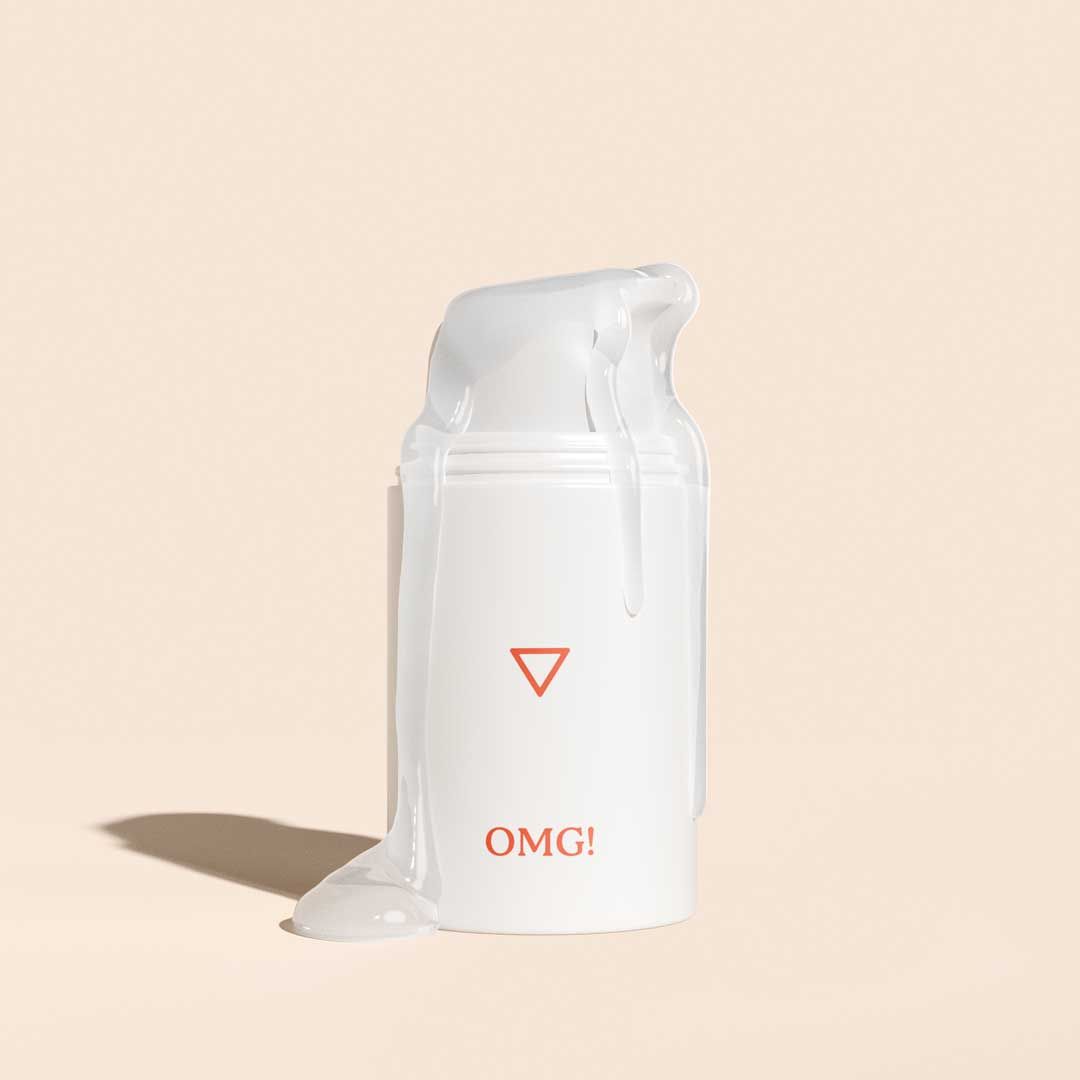
OMG! Cream for Female Arousal
Starting at $11
A topical cream that helps increase blood flow to the clitoris using Sildenafil (generic Viagra).

Menopause Consult Online
Starting at $33/ month
Customized care for menopause & perimenopause symptoms including estrogen & progesterone hormone replacement.
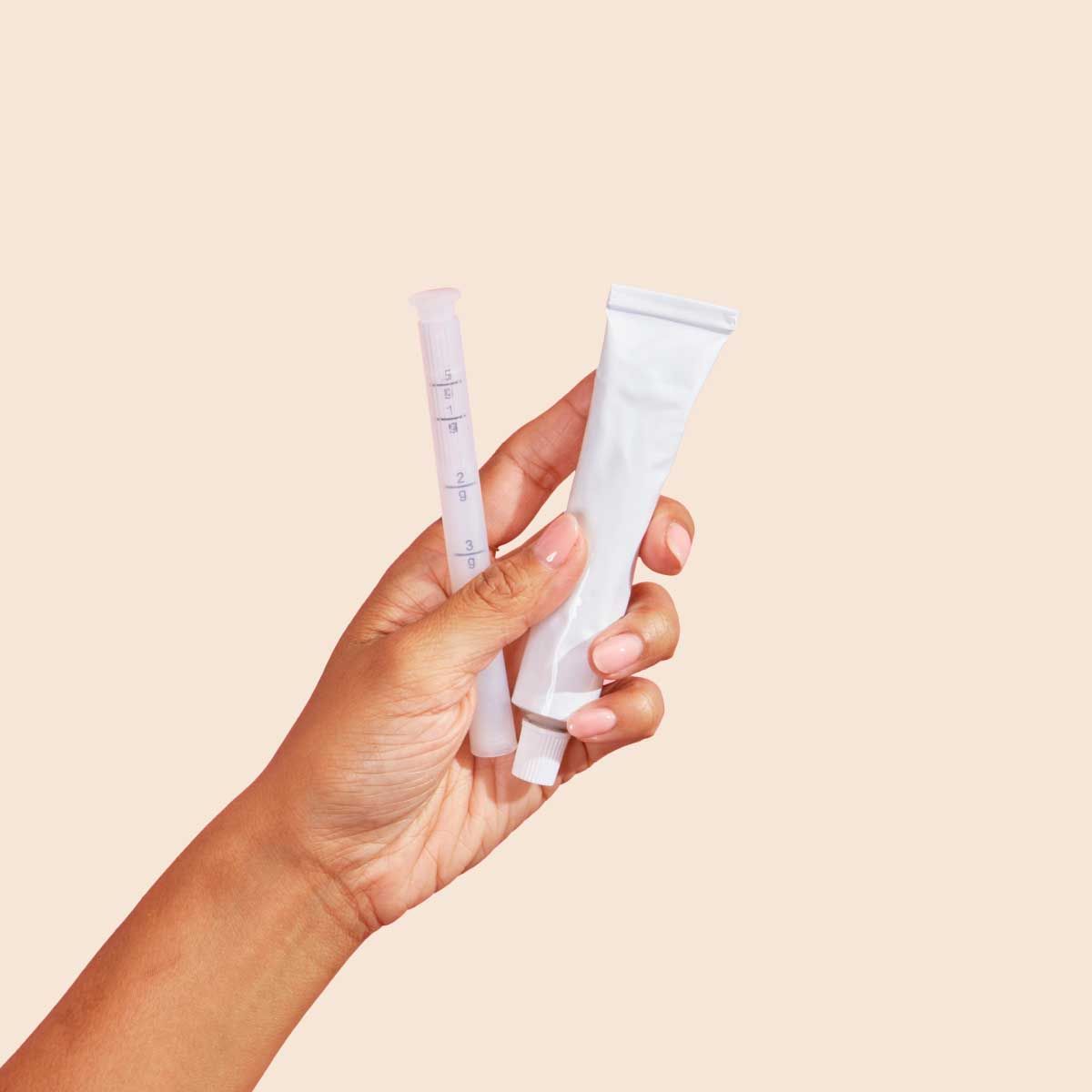
Estradiol Vaginal Cream
Starting at $20
A hormonal cream that soothes vaginal dryness caused by menopause, or during postpartum, especially with breastfeeding.
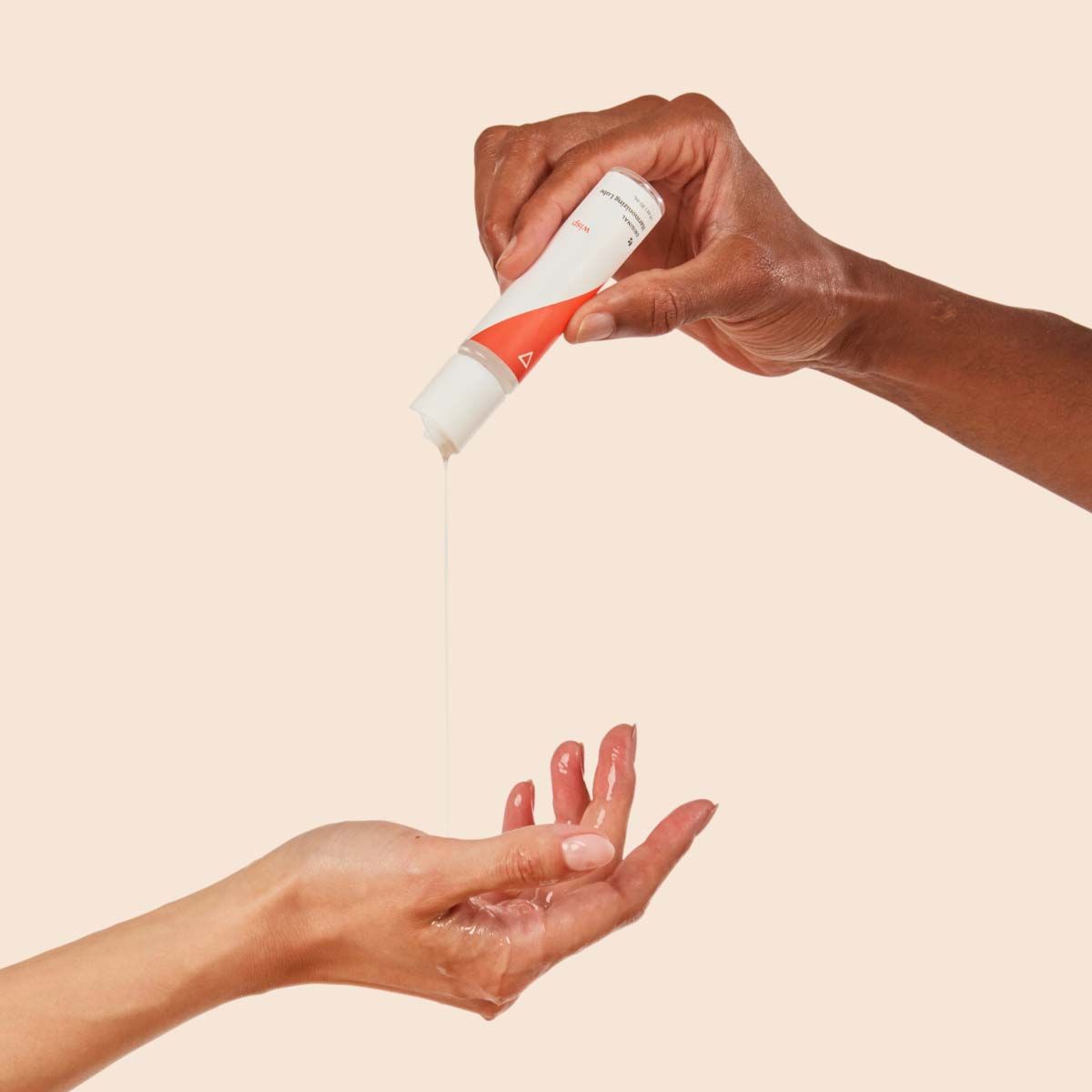
Original Harmonizing Lube
Starting at $10
Silicone-based to help reduce friction and make sex easier, more pleasurable, and more fun.