Written by Kathleen Morrison
Medically Reviewed by Dr. Shannon Chatham, DO
Key takeaways:
- Menopause acne happens when estrogen drops, and androgens gain more influence, nudging your oil glands into overdrive and causing acne breakouts along the jawline and chin.
- Many women develop acne during perimenopause or menopause, even if they never had breakouts as teenagers.
- How long menopause acne lasts can vary, but with the right skincare routine and treatment plan, most people see improvement within a few months. Individual results may vary.
- Diet, stress, and sleep all play a role in how severe your breakouts get; managing these acne triggers can help keep things under control.
- Off-label, prescription options like Spironolactone (both oral and topical) work as anti-androgens, targeting the hormonal root cause of menopausal acne.
This specific use of this prescription medication is not approved by the U.S. Food and Drug Administration (FDA). Such use, known as “off-label” use, may be prescribed by a licensed healthcare provider based on their clinical judgment. The safety and effectiveness of medications for off-label uses may not be established by the FDA. This information is for educational purposes only and is not medical advice. Always consult your healthcare provider regarding treatment decisions.
Menopause can bring breakouts. Yes, those tender jawline pimples and stubborn clogged pores can pop up right as periods wind down. If you're dealing with acne in your 40s, 50s, or beyond—welcome to the club nobody asked to join.
Here's what's happening: as estrogen falls during the menopause transition, androgens gain more influence, nudging your oil glands into overdrive and slowing cell turnover. The common result is skin that feels drier yet somehow shinier, more reactive to products, and way more prone to deep, lingering bumps.
If acne skipped your teen years or suddenly flared during perimenopause, you're not imagining it, and it's definitely not about dirty skin.
Thankfully, treatment options like oral and topical Spironolactone exist and can help manage acne by targeting hormonal imbalances from different angles.
Let’s break down why menopausal acne behaves differently and what treatment options exist (beyond off-label Spironolactone) that can help calm breakouts.
Wisp treatment options are available only after consultation with a licensed medical professional, if medically appropriate. You should consult with your healthcare provider before starting a new supplement or treatment regimen. Individual results may vary. For medication details and risks, see site for details.
What is menopause acne?
Menopause acne refers to breakouts that appear during the menopausal transition, typically affecting people in their 40s and 50s.
Unlike adolescent acne that tends to show up across the forehead and nose, acne in adult women, especially menopausal women, clusters along the lower face, chin, and jawline.
These bumps often feel deeper and more painful than the surface-level pimples you might remember from your younger years.
Why does menopause cause acne even if you never had it before?
As hormone levels fluctuate during perimenopause and menopause, your skin responds in ways that can feel unpredictable and frustrating (thanks, hormones!).
Here’s why you could be breaking out during menopause:
- Decline in estrogen levels:
Estrogen drops significantly during menopause, reducing its role in regulating oil production, skin hydration, and inflammation.
- Relative increase in androgens (estrogen–androgen ratio shift):
Even without a true rise in androgens, the drop in estrogen creates relative androgen dominance, which is strongly linked to adult female acne.
- Increased sebum (oil) production:
Androgens stimulate sebaceous glands, leading to excess sebum—a key driver of acne formation.
- Clogging of pores (follicular hyperkeratinization):
Excess sebum combines with dead skin cells, blocking pores and forming comedones (whiteheads and blackheads).
- Growth of acne-causing bacteria:
Oil-filled, clogged pores create an ideal environment for Cutibacterium acnes, which contributes to inflammation.
- Inflammatory response in the skin:
The immune system may react to clogged pores and bacterial overgrowth, likely causing deeper, more painful inflammatory acne lesions.
- Altered skin cell turnover:
Hormonal changes can disrupt normal cell turnover, contributing to the buildup of dead skin cells and clogged pores.
- Changes in skin barrier function:
Menopausal skin may become drier and more sensitive due to reduced estrogen, which can impair barrier function and increase susceptibility to irritation and inflammation, both of which can worsen acne.
- Use of comedogenic or occlusive skincare/makeup:
Products that are too heavy or occlusive can block pores, especially in already oil-prone areas, contributing to acne formation.
- Overuse of harsh or stripping skincare products:
Aggressive cleansers or treatments can disrupt the skin barrier and trigger rebound sebum production, a documented response that can worsen acne.
How long does menopause acne last?
There's no universal timeline for how long menopause acne lasts, and that uncertainty can feel frustrating (we get it).
Some people notice their skin calms down once hormone levels stabilize after menopause is complete. For others, breakouts persist well into postmenopause without targeted intervention.
The duration often depends on individual factors: your genetic predisposition to acne, how dramatically your hormones fluctuate, and whether you're addressing the issue with appropriate skincare or medical care.
Without effective treatment, some people deal with recurring flares for years. With a consistent routine and, when necessary, prescription support, many see meaningful improvement within a few months.
The key is finding what works for your skin and sticking with it because menopausal skin often rewards consistency.
When to consult an expert for menopause acne
While certain acne flare-ups can be handled with solid over-the-counter products, sometimes your skin’s basically saying, “yeah, I need a pro for this one.”
And, knowing which specialist to see matters.
See a dermatologist if:
- Your acne is cystic (deep, painful nodules under the skin)
- You're developing scars or persistent dark marks
- Your skin hasn't improved after 8 to 12 weeks of consistent at-home care
- You're unsure whether you're dealing with acne or another condition like rosacea, perioral dermatitis, or folliculitis; these can mimic acne but require different approaches
Consider a menopause consultation if:
- Your acne appeared or worsened alongside other menopause symptoms like hot flashes, irregular periods, or mood changes
- You're experiencing multiple hormonal symptoms that suggest a systemic approach may be more effective than treating skin alone
- You want to explore whether hormone therapy or other menopause-specific treatments could address the root cause
In many cases, both paths can work together. A dermatologist can treat your skin directly, while a menopause consult can help address the hormonal shifts driving breakouts in the first place.
Topical treatment options for menopausal acne
Topical treatments applied directly to the skin form the foundation of most acne care routines. These products work by managing oil production, unclogging pores, or calming inflammation. The right combination depends on your skin type, acne severity, and how your skin tolerates active ingredients.
Start slowly when introducing any new active ingredient. Menopausal skin is often more sensitive than it was in your 20s or 30s, so what worked before might now cause irritation. Begin with lower concentrations and use products every other day until your skin adjusts.
Topical Spironolactone
5% Topical Spironolactone is a localized anti-androgen prescription that targets excess oil production at the source, right where you need it.
Blocking the effects of androgens on skin and hair follicles, it can help address the hormonal root cause of acne.
Many people may see clearer skin within 2-3 months. When combined with 1.25% Clindamycin (which tackles redness and inflammation by managing acne-causing bacteria), it can help target stubborn hormonal breakouts.
This option is particularly appealing for women with menopausal acne who want targeted treatment.
Always consult with a provider to understand the side effects of Spironolactone and clindamycin before starting use.
Benzoyl peroxide
Benzoyl peroxide targets acne-causing bacteria and helps reduce inflammation. It's available over the counter in concentrations from 2.5% to 10%.
It can bleach fabrics, so apply it at night and use white pillowcases and towels. If your skin feels dry or irritated, scale back and make sure you're following with a good moisturizer.
Always consult with your healthcare provider to understand the side effects of topical benzoyl peroxide before starting use.
Topical retinoids
Retinoids are vitamin A derivatives that can help speed cell turnover and manage acne flare-ups.
They can also help address fine lines and uneven skin tone, making them especially useful for menopausal skin dealing with multiple concerns. But retinoids increase sun sensitivity, so daily sunscreen is non-negotiable.
Over-the-counter options include adapalene (available in many pharmacies) and various retinol products.
Common side effects of adapalene include dry, red, or scaly skin, peeling skin, skin pain, or a feeling of warmth and mild stinging or burning.
Prescription-strength retinoids like tretinoin are more potent and may be appropriate for stubborn acne.
Common side effects of tretinoin include burning, stinging, peeling, redness, or unusual dryness of the skin (severe).
This is not a complete list of risks and side effects, and others may occur. If symptoms worsen or you notice signs of an allergic reaction, contact a provider right away.
Oral Spironolactone: targeting hormonal acne from within
When topical options aren't enough, Oral Spironolactone offers a prescription solution for women struggling with hormonal symptoms affecting the skin.
This medication acts as an anti-androgen, counteracting testosterone levels that often cause unwanted effects like:
- Hormonal acne (breakouts along the jaw and chin)
- Moderate to severe acne breakouts
- Oily skin
By blocking the effects of androgens systemically, Oral Spironolactone addresses the hormonal imbalance driving your acne, not just the surface symptoms.
For women dealing with persistent acne that clusters along the lower face, this option can be worth exploring.
Spironolactone is not FDA-approved for acne; it is prescribed off-label for hormonal acne in adult women based on a provider's clinical judgment.
Lifestyle tips to help support skin health during menopause
Simple daily habits can make a real difference in managing women with menopausal acne. These aren't magic fixes, but they can help your skin actually heal alongside treatment:
- Wash your face twice daily. Use a gentle, non-comedogenic cleanser once or twice a day, depending on your skin type. Those with dry skin may prefer cleansing only at night. Avoid scrubbing or using harsh exfoliants, which can damage the skin barrier and worsen inflammation.
- Keep your hands off your face throughout the day. Touching transfers bacteria and oils to your skin, and picking at blemishes almost always makes them worse and increases scarring risk.
- Change your pillowcase frequently (every few days if possible) and clean your phone screen regularly.
- Stay hydrated and don't skip moisturizer just because you're breaking out. Menopausal skin needs hydration, and skipping it can trigger more oil production. Look for lightweight, oil-free formulas that won't clog pores.
- Wear sunscreen daily. Sun protection is non-negotiable, especially if you're using any acne treatments that increase skin sensitivity.
Take the next step toward clearer skin
Menopause brings enough changes without having to stress about your skin.
Understanding what causes acne during menopause, whether hormonal shifts, lifestyle factors, or skincare missteps, puts you in a better position to manage it right.
Wisp offers discreet online menopause consultations where you can discuss your symptoms and explore personalized recommendations and prescription options, if medically appropriate, that complement traditional care.
Let's help you get the support you deserve on your terms, on your schedule!
This blog post is for informational and educational purposes only and should not be taken as professional advice. Always consult with a qualified professional before making any decisions based on the information provided here.
Trusted Treatments
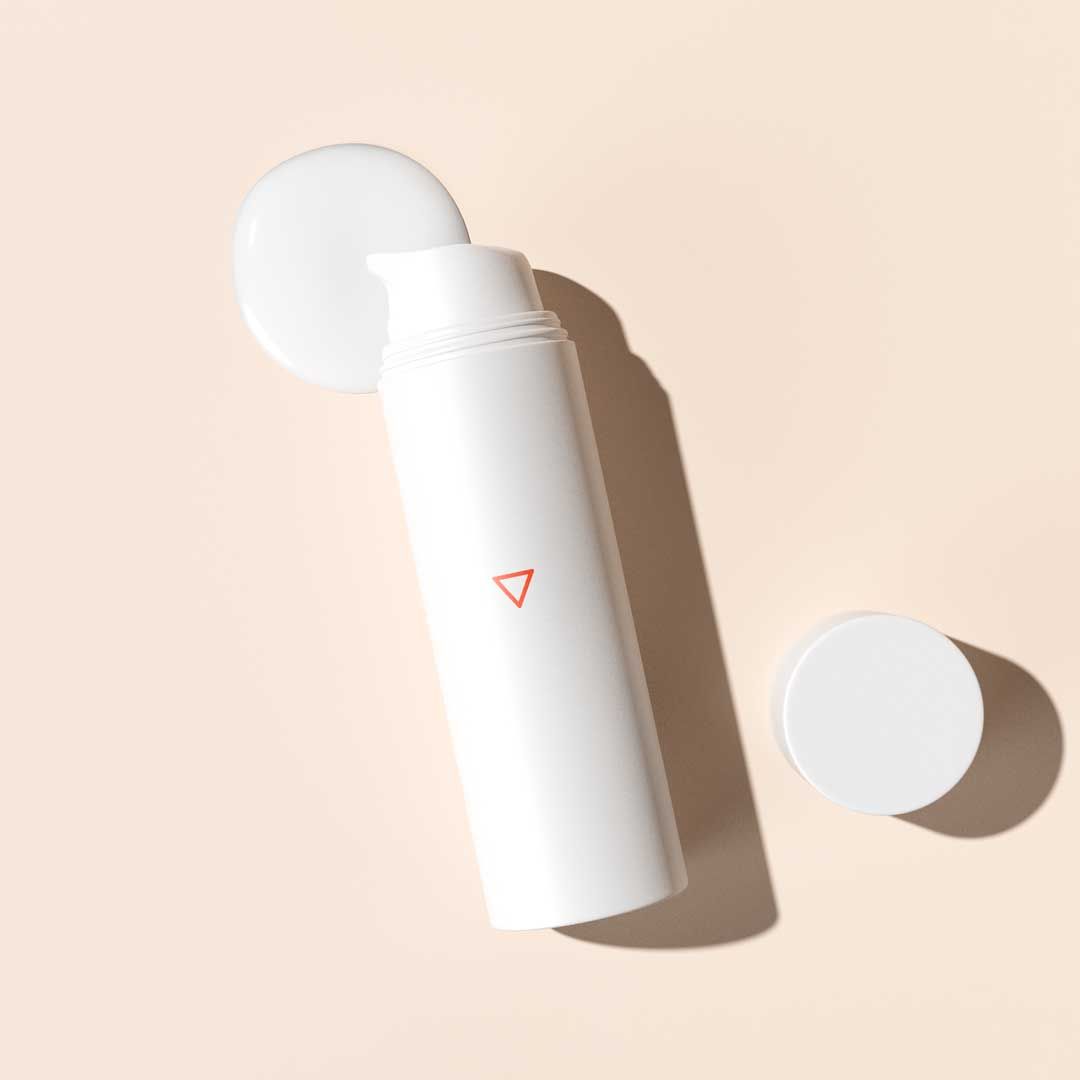
Wisp Topical Spironolactone Prescription (Acne Treatment)
Starting at $39
Prescription hormonal acne solution, no pills required.
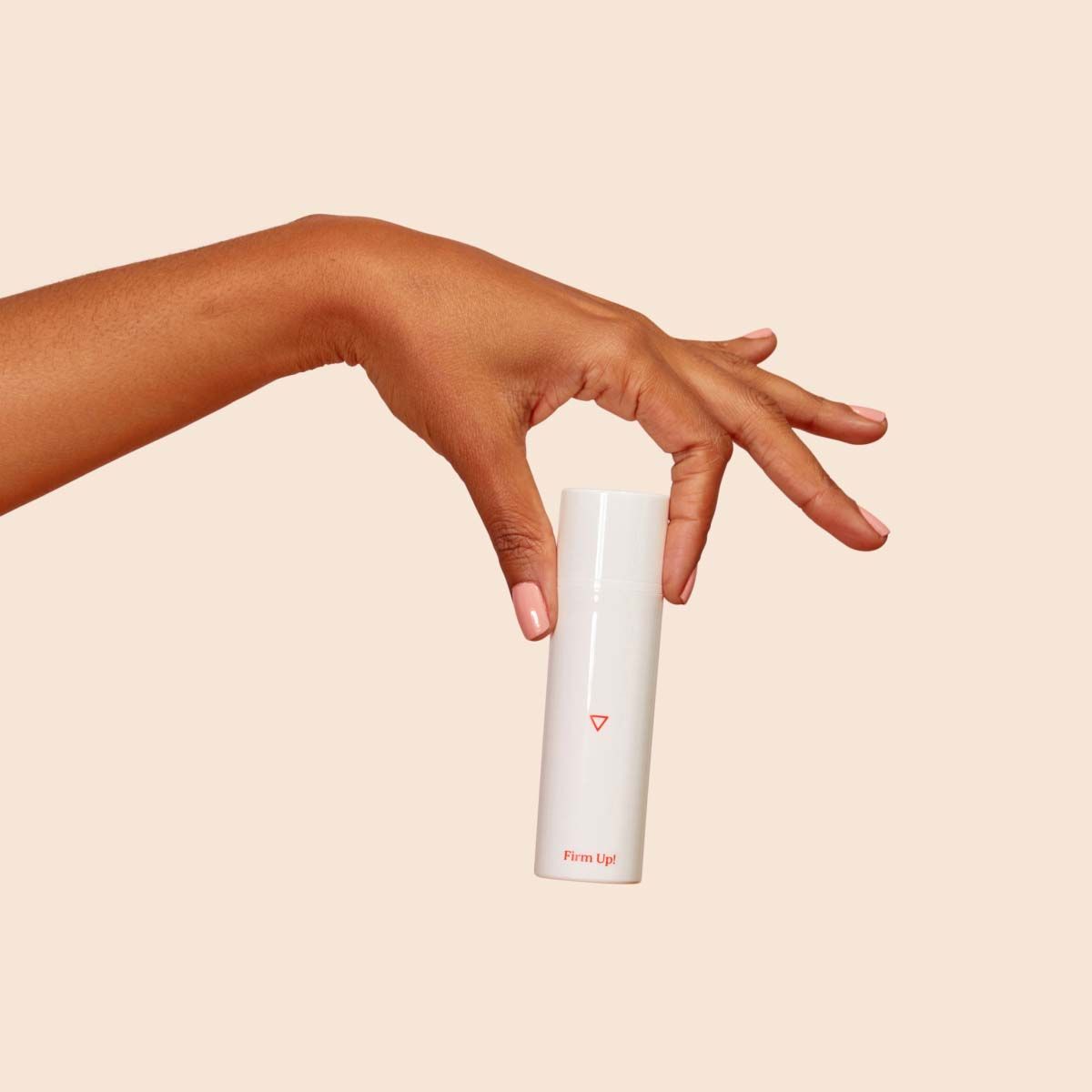
Firm Up! Wrinkle Cream | Tretinoin (.04%)
Starting at $75
Tretinoin 0.04%, Azelaic Acid 5%, Niacinamide 4% Prescription treatment for wrinkles, fine lines, and other signs of aging.
Menopause Consult Online
$99
Customized care for menopause & perimenopause symptoms including estrogen & progesterone hormone replacement.