
Cold Sore Stages:
Timeline, Treatment & Care Options
Published on June 9, 2022
Updated on October 21, 2026
Written by Kathleen Morrison
Medically Reviewed by Andrea Sleeth WHNP-BC, MSCP, a healthcare provider affiliated with Wisp
Key takeaways
- A typical cold sore can move through five stages: tingling, blistering, weeping, crusting, and healing.
- Cold sores can last about one to two weeks from first warning sign to healed skin.
- Cold sores can be contagious from the first tingle until the sore has healed, but the virus can also spread when no symptoms are present through asymptomatic shedding.
- Prescription antivirals are labeled to be started at the earliest sign of a cold sore, like tingling, itching, or burning.
- Later stages may call for symptom care: keeping the area clean, moisturized, and covered.
- Leaving the crust alone and not picking it may help manage the chance of irritation or lingering marks.
That tiny tingle on your lip? You probably know what it's plotting. Cold sores (also called fever blisters) are caused by the herpes simplex virus, usually type 1 (HSV-1), and once the virus that causes cold sores wakes up, it can follow a predictable script: tingling, blisters, an open sore, a crust, and (finally!) healed skin.
Knowing where you are in that script matters, because what may help on day one might not be the move on day six. If you catch the warning signs early, talking to a provider about prescription antivirals for cold sores is a smart move.
That said, here's what to know about the cold sore stages, how long each can last, and what might help at each stage.
Wisp treatment options are available only after consultation with a licensed medical professional, if medically appropriate. You should consult with your healthcare provider before starting a new supplement or treatment regimen. Individual results may vary. Must be 18 or older. For medication details and risks, see site for details.
The 5 stages of a cold sore, day by day
Cold sores can typically form in the same order, though the days might shift a little depending on your body and where the sore shows up.
Here's the quick version:
- Stage 1, prodrome symptoms (around day 1): Burning, itching, or tingling (also called prodrome symptoms) can show up where the sore may be about to develop. Prescription antivirals from a provider, if medically necessary and appropriate, may help at this stage.
- Stage 2, blistering (around days 1 to 3): Small, fluid-filled bumps can appear and may look red and swollen. Finish any prescribed antiviral course as directed, cover with a hydrocolloid patch, and don't pop.
- Stage 3, weeping (around days 2 to 4): Blisters can break open and ooze clear fluid. If prescribed, continue prescribed antivirals as directed; gentle cleansing, a cold compress, and pain management may help alongside.
- Stage 4, crusting (around days 4 to 8): A yellowish or golden-brown scab can form. Any prescribed antiviral course may already be wrapping up; petroleum jelly or a patch may help keep things soft, and no picking, still.
- Stage 5, healing (around days 8 to 14): The crust can flake off, and pink skin may fade back to normal. Use SPF lip balm and don’t pick at the crust. Antivirals generally aren't started at this stage.
Everyone's body writes its own draft, so if cold sore stage pictures online leave you unsure, a provider can help.
Early signs and first 2 days
The beginning stages of a cold sore outbreak can be sneaky. Your lip may look normal, yet something may feel off. That odd feeling can be your prime window to act.
Prodrome at stage 1
This first phase is called the prodrome, and it can last a few hours to about a day. You may notice burning, slight numbness, or a prickly feeling on the lip, at the corner of your mouth, or near a nostril.
The area may look normal or slightly puffy. Even so, cold sores can be contagious from the moment you feel a cold sore coming on, so it's a good time to start skipping kissing, sex, and sharing cups or lip products.
If this is your very first cold sore outbreak, you may also experience fever, a sore throat, swollen glands in your face or neck, and painful swallowing. These flu-like symptoms are less common with recurrences than with first-time early-stage cold sore outbreaks.
Prescription antivirals at stage 1
This is where timing counts. Clinical guidelines recommend taking prescription antivirals from a provider, if medically necessary and appropriate, at the warning signs (like tingling, itching, or burning), before blisters develop.
Common options include Oral Valacyclovir and Acyclovir Cream.
Oral Acyclovir may also be prescribed for cold sores. Oral Acyclovir is FDA-approved for genital herpes, and a provider may consider it based on your needs and medical history.
Disclaimer: This specific use of this prescription medication is not approved by the U.S. Food and Drug Administration (FDA). Such use, known as "off-label" use, may be prescribed by a licensed healthcare provider based on their clinical judgment. The safety and effectiveness of medications for off-label uses may not be established by the FDA. This information is for educational purposes only and is not medical advice. Always consult your healthcare provider regarding treatment decisions.
Common side effects of Valacyclovir may include:
- Headache
- Nausea
- Abdominal pain
Common side effects of Oral Acyclovir may include:
- Nausea
- Vomiting
- Diarrhea
- Headache
Common side effects of topical Acyclovir Cream may include:
- Dry, cracked, or peeling lips
- Burning, stinging, or itching where applied
- Dryness or flaking of treated skin
This is not a complete list of risks and side effects, and others may occur. If symptoms worsen or you notice signs of an allergic reaction, contact a provider right away.
You are encouraged to report negative side effects of prescription drugs to the FDA. Visit www.fda.gov/medwatch or call 1-800-FDA-1088.
Blistering stage around days 1 to 3
If the virus wins the race, the sore may appear as small bumps. This is the stage most people picture when they think in terms of stages.
Fluid-filled blisters emerge
A cold sore blister can be small, raised, and filled with clear fluid, and blisters may cluster (though single herpes bumps are common, too).
Cold sore on nose stages can follow the same pattern, just with a more awkward location for blowing your nose. And cold sores can occasionally appear on the tongue, too.
Because cold sores can spread through skin-to-skin contact and saliva, they can spread from person to person easily at this stage.
If you started prescription antivirals at your provider's direction, keep taking them as prescribed.
And if you're not sure that bump is a cold sore at all (or just a pesky pimple), an at-home herpes swab test lets you collect a sample from an active cold sore, which can help identify the type of herpes that may be causing it.
_These statements have not been evaluated by the Food and Drug Administration. This product is not intended to diagnose, treat, cure, or prevent any disease. Individual results may vary. _
Care measures and OTC patch options
Avoid kissing, sexual intimacy (including the oral kind), and sharing utensils, cups, or towels, and wash your hands before and after you touch a cold sore.
The virus can also reach other areas, including your eyes, so keep your hands to yourself (as much as humanly possible).
Over-the-counter hydrocolloid patches that cover the bump may help you avoid touching the sore.
Bonus: Out of sight, (mostly) out of mind!
The golden rule is not to pick or pop. The fluid can carry the virus, so popping can make it easier to spread the virus to your fingers, other people, or other spots on your face.
Weeping stage around days 2 to 4
Welcome to the least glamorous chapter.
The cold sore weeping stage can start when the bumps break open and release their fluid, which may leave a shallow, raw sore.
Open sores and peak contagion
During the cold sore oozing stage, clear or slightly yellowish fluid can seep out, and the area may feel tender.
Cold sores can be highly contagious throughout an outbreak, from the first warning sign until the sore has healed, but with fluid right on the surface, this is the moment to be most careful.
If you're using prescription antivirals, keep using them as directed until you've finished the course.
Keeping things calm and pain management
To help keep things calm during the weeping stage:
- Gently rinse with mild soap and water, then pat dry.
- Avoid touching your cold sore, and wash your hands if you do.
- Use your own towel, lip balm, and cups.
- Skip kissing and oral contact until the sore has healed.
When it comes to pain management, for many people:
- A cold compress may help ease throbbing and swelling.
- Over-the-counter pain meds may help take the edge off.
- Skipping salty or acidic foods may help you avoid an unwelcome sting.
If the pain really gets in the way, a provider may help explore a topical numbing cream, if medically necessary and appropriate. Just know it's a compounded cream used for pain management, not an antiviral.
Disclaimer: This specific use of this prescription medication is not approved by the U.S. Food and Drug Administration (FDA). Such use, known as "off-label" use, may be prescribed by a licensed healthcare provider based on their clinical judgment. The safety and effectiveness of medications for off-label uses may not be established by the FDA. This information is for educational purposes only and is not medical advice. Always consult your healthcare provider regarding treatment decisions.
Crusting stage around days 4 to 8
This is the drying-up stage, literally. In the cold sore scab stage, the open sore can dry out and form a crust.
Yellow scab and skin repair
A yellowish or golden-brown crust can form as the sore dries. That color can be normal for cold sore healing stages, so it may not be a reason to panic.
The crust can act like a little shield over the new skin that may be forming underneath.
If you're already on prescription antivirals, keep using them exactly as directed until you've finished the full course, even if the crust makes it look like the worst is over.
Starting prescription antivirals for the first time at this stage may not be ideal. By the time a crust forms, your body may already be doing most of the repair work. Still, it's worth talking to a provider about your options.
Gentle care options that might help
A thin layer of petroleum jelly or a hydrocolloid patch may help keep crusts soft.
Spreading redness, pus, or fever can point to a secondary skin infection, so check in with an in-person provider if you notice them.
Healing stage around 8 to 14 days
The final stage! Cold sores can typically heal within one to two weeks overall, and once the crust falls away, the finish line may be in sight.
New skin formation
The skin underneath can look pink or slightly red for a few days before it may fade back to your usual tone. It may also feel tight or tender while it settles in.
Keep avoiding kissing, sex, and sharing lip products until the sore has healed, and keep up with SPF lip balm, since sun can be a common trigger.
Standard cold sore antiviral courses may already be complete by now, so this stage is about aftercare.
What to use during aftercare to help manage scarring risk
Picking or repeatedly cracking the crust can reopen the sore, which may irritate healing skin.
A few habits may help:
- Hands off. Let the crust fall off on its own, since picking can reopen the sore.
- Keep it moist. Petroleum jelly or a fragrance-free lip balm may help keep it from splitting.
- Cover it. A hydrocolloid patch may help shield it from friction and wandering fingers.
- Wear SPF. Sun protection may help keep new pink skin from darkening.
- Watch the timeline. If a sore hasn't started healing within about 2 weeks, or seems unusually large or painful, check in with a provider.
What if there are no stages at all?
Here's the plot twist: the virus that causes cold sores can sometimes spread even when you have no sore, no tingle, and no stages to track. This is called asymptomatic shedding.
If you get frequent cold sores, a provider may consider daily prescription antivirals if medically necessary and appropriate.
Got a tingle? Now, you’ve also got a plan.
Cold sores can follow a familiar path: tingle, blister, weep, crust, heal. The earliest stage is when prescription antivirals should ideally start.
For later stages, it's mostly about gentle care, keeping the virus to yourself, and letting your lip do its thing, plus finishing any prescribed antiviral course as directed.
Curious what's behind that bump? Wisp's at-home herpes swab test lets you collect a sample from an active sore, and a provider consult is included to help review your results.
If tested positive, you can also get prescription oral antivirals for cold sores from a provider online, if medically necessary and appropriate, with your prescription sent to your pharmacy the *same day.
*Most prescriptions are sent to your pharmacy within 3 hours of completing your patient intake form and secure chat or video call when necessary. Pending retail pharmacy hours.
This blog post is for informational and educational purposes only and should not be taken as professional advice. Always consult with a qualified professional before making any decisions based on the information provided here.
Trusted Treatments
Valacyclovir (Valtrex) or Acyclovir | HSV-1
Starting at $10/ month
Prescription antiviral pills used to prevent & treat outbreaks.
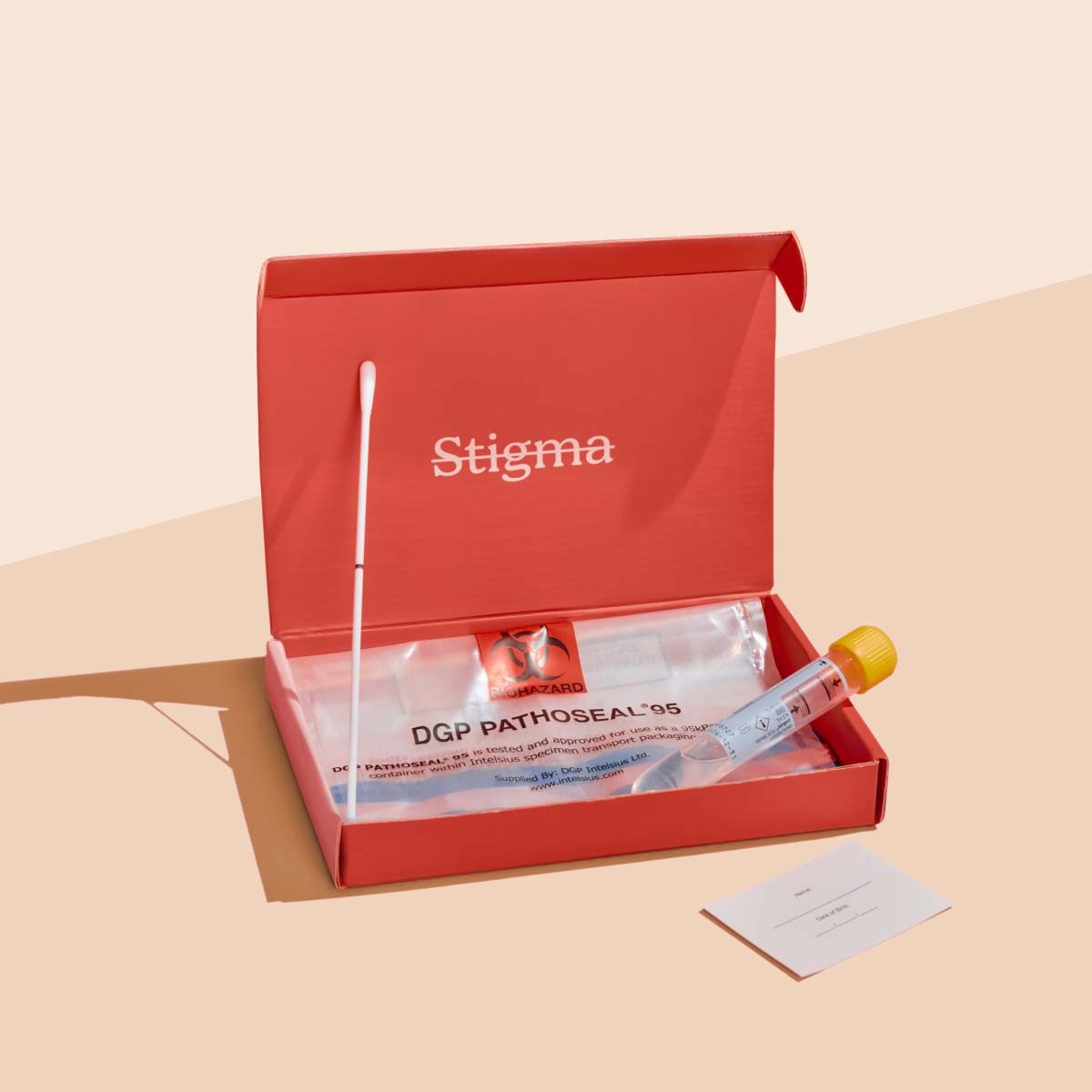
Herpes (HSV) Test
$169
At-home HSV-1 and HSV-2 testing, made simple—swab, ship, and treat. Consult and treatment included if necessary.
Lidocaine-Amitriptyline Cream | HSV-1 & HSV-2
Starting at $30
Prescription cream used to relieve oral (cold sores) and genital herpes outbreak pain.


