Menopause Vaginal Atrophy:
Symptoms, Causes, and Treatment Options
Published June 9, 2026
Written by Kathleen Morrison
Medically Reviewed by Andrea Sleeth WHNP-BC, MSCP
Key takeaways:
- Vaginal atrophy, also called genitourinary syndrome of menopause (GSM), occurs during perimenopause and menopause when your body makes less estrogen, leading to vaginal dryness and discomfort.
- Common symptoms include vaginal dryness, painful sex, vaginal irritation, urinary symptoms like urgency or recurring urinary tract infections (UTIs), recurrent yeast infections, and changes in vaginal discharge.
- Diagnosing GSM typically involves discussing your symptoms and medical history with a provider, plus a pelvic exam to check vaginal tissue changes.
- Options range from vaginal moisturizers and lubricants to prescription vaginal estrogen (like estradiol cream), which can help support vaginal moisture and tissue health.
- You don't have to just "deal with it". Appropriate care exists, and it's totally okay to seek treatment that helps you feel comfortable again.
Vaginal dryness, burning, or painful sex after menopause isn't just "part of getting older", and you definitely don't have to grin and bear it. These uncomfortable symptoms often point to vaginal atrophy, sometimes called atrophic vaginitis or genitourinary syndrome of menopause (GSM).
It's a group of symptoms that affect your vaginal and urinary health when estrogen levels drop.
The great news is that support exists, and you absolutely deserve it. Options like estradiol cream are available to help treat vaginal atrophy and get back to feeling like yourself.
Ahead, we’ll break down what’s really going on in your body, how to tell if your symptoms are linked to genitourinary syndrome of menopause, and the different ways you can find support.
Wisp treatment options are available only after consultation with a licensed medical professional, if medically appropriate. You should consult with your healthcare provider before starting a new supplement or treatment regimen. Individual results may vary. For medication details and risks, see site for details.
What causes menopause vaginal atrophy?
Vaginal tissue depends on estrogen to maintain its structure and function. This hormone helps support tissue thickness, elasticity, lubrication, and blood flow in the vaginal area.
During perimenopause and menopause, ovarian estrogen production fluctuates. This hormonal shift directly affects the vaginal lining and surrounding tissues.
As estrogen levels decrease, several well-documented changes may occur:
- The vaginal epithelium may become thinner
- Tissue elasticity can be reduced
- Natural lubrication may decrease
- Blood flow to the vaginal tissue can decline
- Lactobacillus levels may decrease, altering the vaginal microbiome
- Susceptibility to recurrent vaginal yeast infections and urinary tract infections (UTIs) may increase due to an altered microbiome
These changes are part of a broader clinical condition known by several terms, including vaginal atrophy, vulvovaginal atrophy (VVA), and genitourinary syndrome of menopause (GSM).
GSM is the more comprehensive term, as it includes changes affecting both the vaginal and urinary systems.
In addition to cellular changes, structural shifts may also occur over time. These can include:
- Reduced vaginal elasticity
- Changes in tissue architecture, such as loss of rugae (the folds of the vaginal wall)
Unlike some other menopause-related changes, reduced estrogen levels after menopause are long-term. As a result, the associated tissue changes generally persist in the absence of treatment or intervention.
What else can cause vaginal tissue changes?
Natural menopause is the most common trigger, but anything that lowers estrogen may cause vaginal atrophy.
This includes:
- Surgical removal of the ovaries
- Cancer treatment, including chemotherapy and radiation to the pelvis
- Certain medications that suppress estrogen
- Breastfeeding (which temporarily lowers estrogen; symptoms usually resolve after weaning)
Smoking may also accelerate estrogen decline and affect blood flow to vaginal tissue, making symptoms of vaginal atrophy more likely and more severe. If you've been putting off quitting, your vagina might appreciate a nudge.
Symptoms of vaginal atrophy to watch for
Symptoms of GSM show up differently for everyone. Some people notice vaginal dryness first—that persistent feeling of tightness or lack of moisture that doesn't go away even when you're not sexually active.
Others experience burning, itching, or general vaginal irritation that makes everyday activities uncomfortable.
Here's what to watch out for:
Vaginal and sexual changes
During sex, you might notice painful sex, friction, or light bleeding afterward. The vaginal tissue becomes more fragile, so even gentle contact can cause microtears.
This often leads people to avoid intimacy altogether, which, let's be honest, can really affect relationships and self-confidence.
Your dry vaginal tissue isn't just annoying; it's your body saying, "I need some hormone support down here."
Moderate to severe vaginal atrophy symptoms can make your vaginal opening feel tighter and less flexible, which is why intimacy may become less comfortable.
Urinary symptoms
Urinary symptoms frequently accompany vaginal changes. You might feel the urge to urinate more often, experience burning during urination, or deal with recurrent urinary tract infections.
The same tissue thinning that affects the vagina also impacts the urethra and bladder lining, making them more vulnerable to irritation and vaginal infections.
Changes in discharge
Some people also notice changes in vaginal discharge. A normal vaginal environment maintains a slightly acidic pH that helps keep harmful bacteria in check.
When estrogen levels cause this balance to shift, your body's natural defenses don't work quite as well. This often leads to discharge-related complaints and recurrent vaginal yeast infections due to a shift in the vaginal microbiome caused by low estrogen levels.
How doctors diagnose vaginal atrophy
Getting a diagnosis usually involves a conversation with a healthcare provider about your symptoms and medical history, and may be followed by a pelvic exam.
During the exam, your provider looks for visual signs of atrophy: pale, dry tissue that appears thin or inflamed. They may also check your vaginal pH.
In some cases, providers order additional tests to rule out other conditions that mimic atrophy symptoms, like yeast infections or bacterial vaginosis. A correct diagnosis matters because the right approach depends on what's actually happening in your body.
If something feels off down there, don't assume it's just menopause. Getting checked or opting for a menopause consult can help you get some answers.
How to treat vaginal atrophy? Exploring prescription treatment options
Prescription options address the underlying hormonal cause rather than just managing symptoms.
Here are appropriate approaches for treating vaginal atrophy:
Vaginal estrogen: the go-to option
Low-dose vaginal estrogen is often the most effective way to treat vaginal atrophy, and estradiol cream stands out as a popular choice.
Unlike systemic hormone therapy, vaginal estrogen works locally when taken as prescribed.
It delivers estrogen directly to vaginal tissue without significantly raising blood estrogen levels throughout your body.
Vaginal estrogen comes in several forms, but estradiol creams are one of the most convenient forms. They are usually inserted intravaginally with an applicator, typically daily for the first few weeks, then two times weekly for maintenance.
Because absorption into the bloodstream is minimal, vaginal estrogen is often appropriate for people who can't or prefer not to use systemic hormone therapy. Plus, it can also be used safely alongside systemic hormone therapy when needed.
Common side effects of vaginal estradiol cream include:
- Vaginal discharge
- Vulvar irritation or burning
- Headache
- Breast pain or tenderness
- Nausea or abdominal discomfort
Less common but serious side effects that require immediate medical attention include a change in the pattern or severity of migraine headaches, memory problems, unusual vaginal bleeding, increased blood pressure, etc.
Additionally, you should be aware that symptoms being treated with vaginal estradiol may return after discontinuing treatment (we know!).
This is not a complete list of risks and side effects, and others may occur. If symptoms worsen or you notice signs of an allergic reaction, contact a provider right away.
Note: Vaginal estrogen cream may weaken latex condoms, and male partners should avoid exposure up to 12 hours after application.
Other prescription options you can explore with your in-person provider
Ospemifene is an FDA-approved oral medication indicated for moderate to severe painful sex and moderate to severe vaginal dryness due to menopause. It is generally considered a second-line approach when vaginal estrogen isn't appropriate or preferred. Your healthcare provider can help determine what's right for you.
Common side effects of ospemifene may include white or brownish vaginal discharge, redness of the face, neck, arms, and occasionally, upper chest, sudden sweating, etc.
Note: Ospemifene* carries a boxed warning for endometrial cancer and cardiovascular disorders. Always discuss the benefits and risks with your primary healthcare provider.
This is not a complete list of risks and side effects, and others may occur. If symptoms worsen or you notice signs of an allergic reaction, contact a provider right away.
*Wisp is not affiliated and does not sponsor or endorse any company names, logos, or brands shown or mentioned. All product names, logos, brands, and other trademarks or images shown or mentioned are the property of the respective brand owners and are only used to identify the products and services of their respective owners.
Self-care options to support vaginal health
The following approaches can complement prescription therapies for discomfort from menopause vaginal atrophy:
Sodium hyaluronate: a non-hormonal vaginal moisturizer
Non-hormonal vaginal moisturizers containing sodium hyaluronate can help manage dryness and discomfort by supporting hydration in vaginal tissue alongside moisture retention.
That said, sodium hyaluronate moisturizers won't address the underlying cause of low estrogen in vaginal tissues. If low estrogen is part of the picture, vaginal estradiol may be an option to discuss with your healthcare provider.
Think of it this way: vaginal estradiol helps replenish estrogen locally and supports the health of the tissue itself, while sodium hyaluronate helps support symptom management (but doesn’t treat the condition itself).
They each play a different role, and can often work well together.
Possible side effects of non-hormonal sodium hyaluronate moisturizers are generally mild but may include temporary stinging and irritation.
Note: Non-hormonal vaginal moisturizers may weaken latex condoms, so use a backup method of birth control if you need it.
This is not a complete list of risks and side effects, and others may occur. If symptoms worsen or you notice signs of an allergic reaction, contact a provider right away.
These statements have not been evaluated by the Food and Drug Administration. This product is not intended to diagnose, treat, cure, or prevent any disease. Individual results may vary.
Vaginal lubricants
Vaginal lubricants can be used strategically to help support certain aspects of vaginal discomfort, especially during sexual activity. They help manage friction during intercourse but don't provide lasting moisture.
Look for pH-balanced, glycerin-free options that work well for sensitive tissue.
And, if you're using silicone sex toys, opt for a water-based lubricant, as silicone-based lubricants can damage the surface of silicone toys over time.
Vaginal dilators for tissue elasticity
Vaginal dilators are smooth, tube-shaped devices that gently stretch vaginal tissue over time.
They're particularly helpful if you've avoided intercourse because of pain and want to gradually support flexibility in your vaginal muscles before resuming sexual activity.
You start with a smaller size and work up as comfort allows, typically using the dilator for 10 to 15 minutes several times per week. Using a lubricant with the dilator can help manage friction and may make the process more comfortable.
Vaginal dilator therapy can also be used alongside vaginal estradiol treatment when appropriate.
In addition, a pelvic floor physical therapist can provide guidance and support with dilator use, helping tailor the approach to your needs and improving comfort throughout the process.
Lifestyle habits that support vaginal health
Regular sexual activity, whether with a partner or solo, can help improve blood flow to vaginal tissue and help maintain elasticity. The "use it or lose it" principle genuinely applies here (your vagina will thank you for the attention).
If intercourse is painful, other forms of stimulation may provide circulation benefits.
Also, staying hydrated supports all mucous membranes, including vaginal tissue.
Wearing breathable cotton underwear and avoiding douches or scented products near the vagina helps maintain a healthy environment.
And if you smoke, quitting may improve blood flow and slow the progression of atrophy symptoms.
Long-term management strategies
Vaginal atrophy is a condition that benefits from ongoing attention. That means consistency matters more than intensity once you find what works.
If you're using vaginal estrogen or another prescription therapy, continuing it maintains the benefits. Stopping typically leads to symptoms returning within weeks to months.
Combining approaches often works better than relying on a single strategy. You might use a vaginal moisturizer regularly, add a lubricant for sex, and use prescription therapy to address the underlying tissue changes.
Layering these methods covers different aspects.
Regular check-ins with a healthcare provider help you adjust your treatment plan as needed. Your symptoms might change over time, and what works now might need tweaking later.
Finally, keeping communication open ensures you're getting the most effective care for your vaginal health.
Take charge of your comfort during and after menopause
Menopause vaginal atrophy or GSM affects daily comfort, intimacy, and sexual health, but appropriate care exists.
If menopausal symptoms are getting in the way of your life, you don't have to wait for an in-person clinic visit.
Wisp offers discreet online menopause consultations where you can discuss your symptoms, complete a patient intake form, and connect with a licensed provider who will determine if treatment is appropriate for you.
You don't have to manage this alone, AND you definitely don't have to accept vaginal discomfort as your new normal.
Most prescriptions are sent to your pharmacy within 3 hours of completing your patient intake form and phone call or video chat when necessary. Pending retail pharmacy hours.
This blog post is for informational and educational purposes only and should not be taken as professional advice. Always consult with a qualified professional before making any decisions based on the information provided here.
Trusted Treatments

Menopause Consult Online
Starting at $33/ month
Customized care for menopause & perimenopause symptoms including estrogen & progesterone hormone replacement.
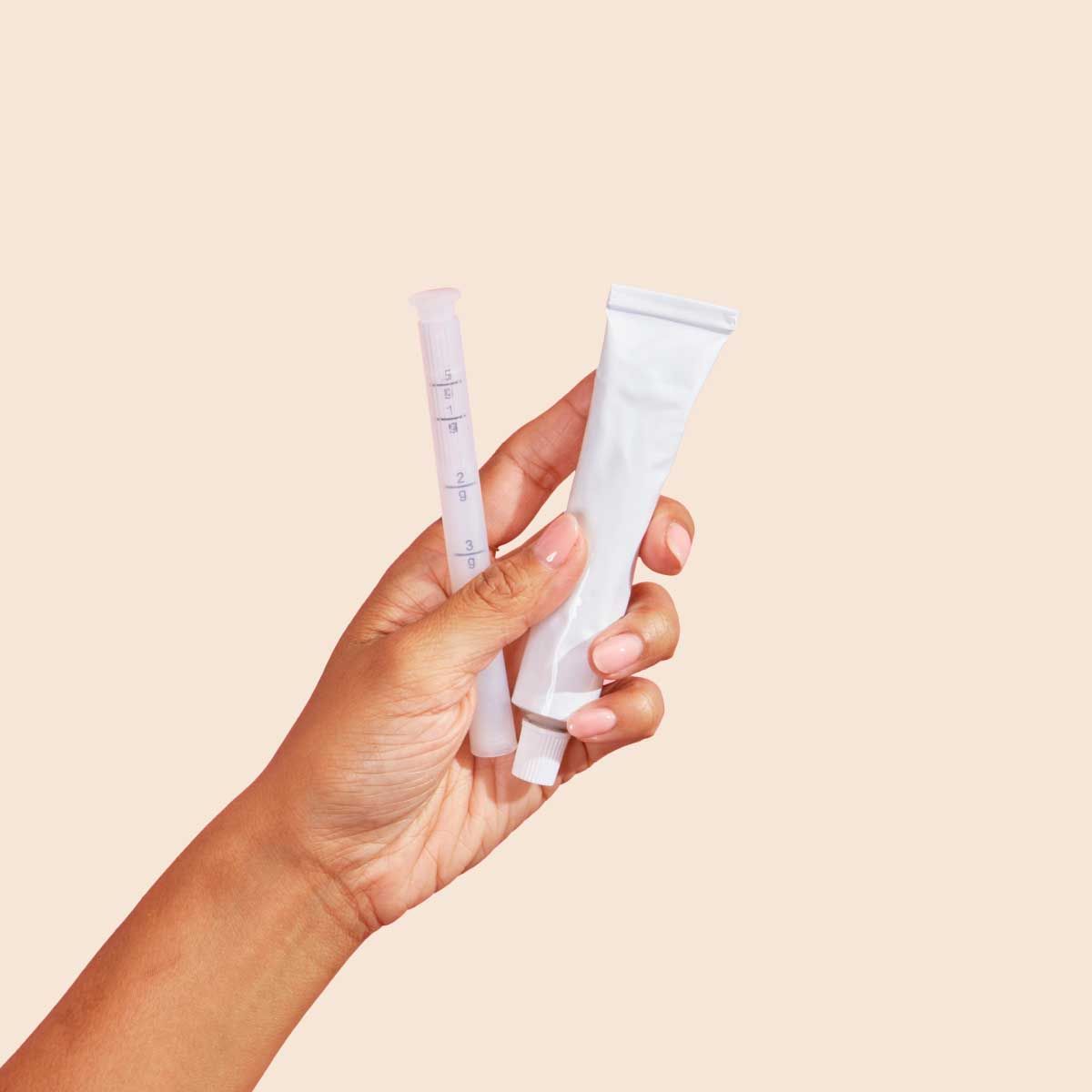
Estradiol Vaginal Cream
Starting at $20
A hormonal cream that soothes vaginal dryness caused by menopause, or during postpartum, especially with breastfeeding.
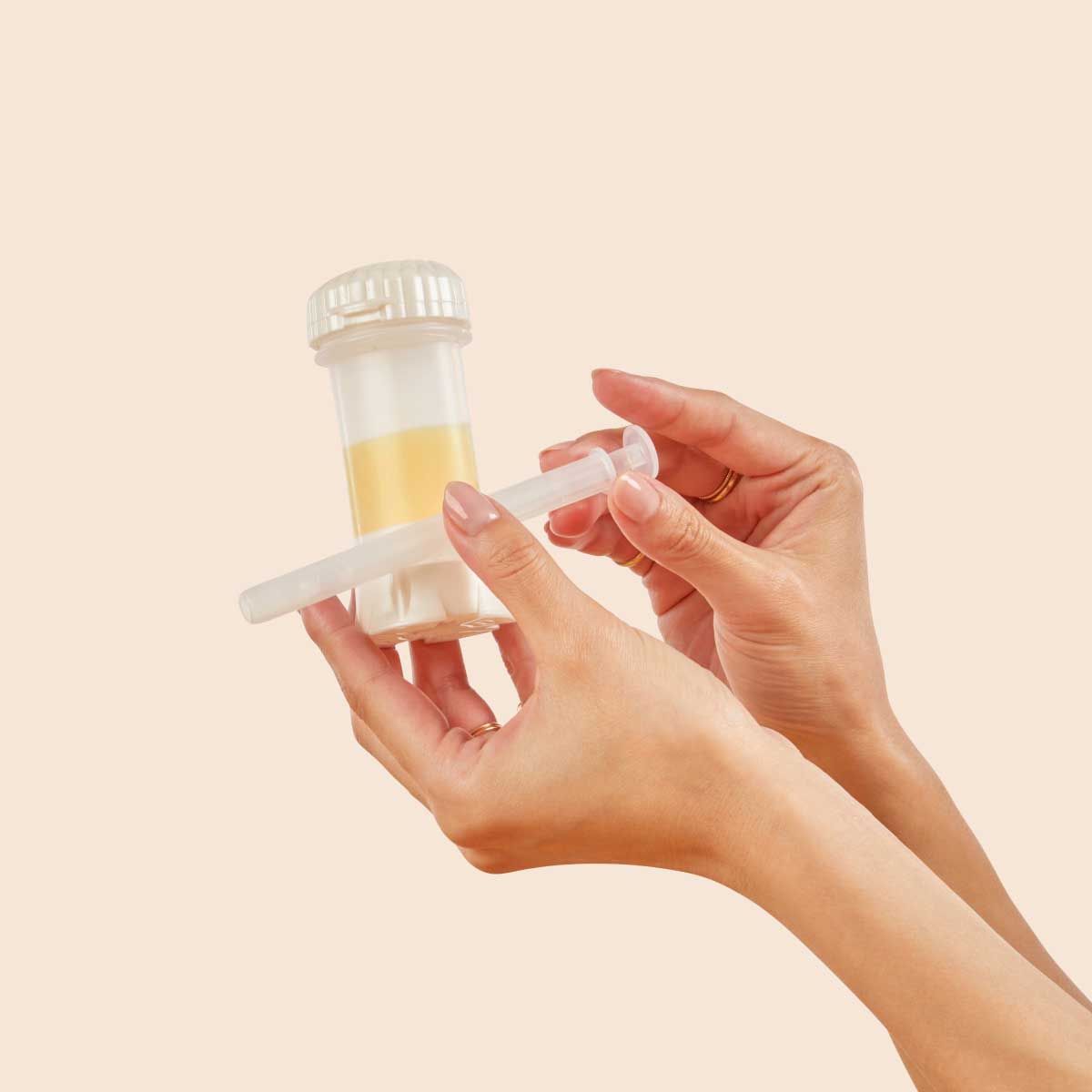
Non-Hormonal Vaginal Moisturizer
Starting at $60
Hormone-free moisture for all life stages, including breastfeeding, postpartum, and menopause.